Joseph Isangura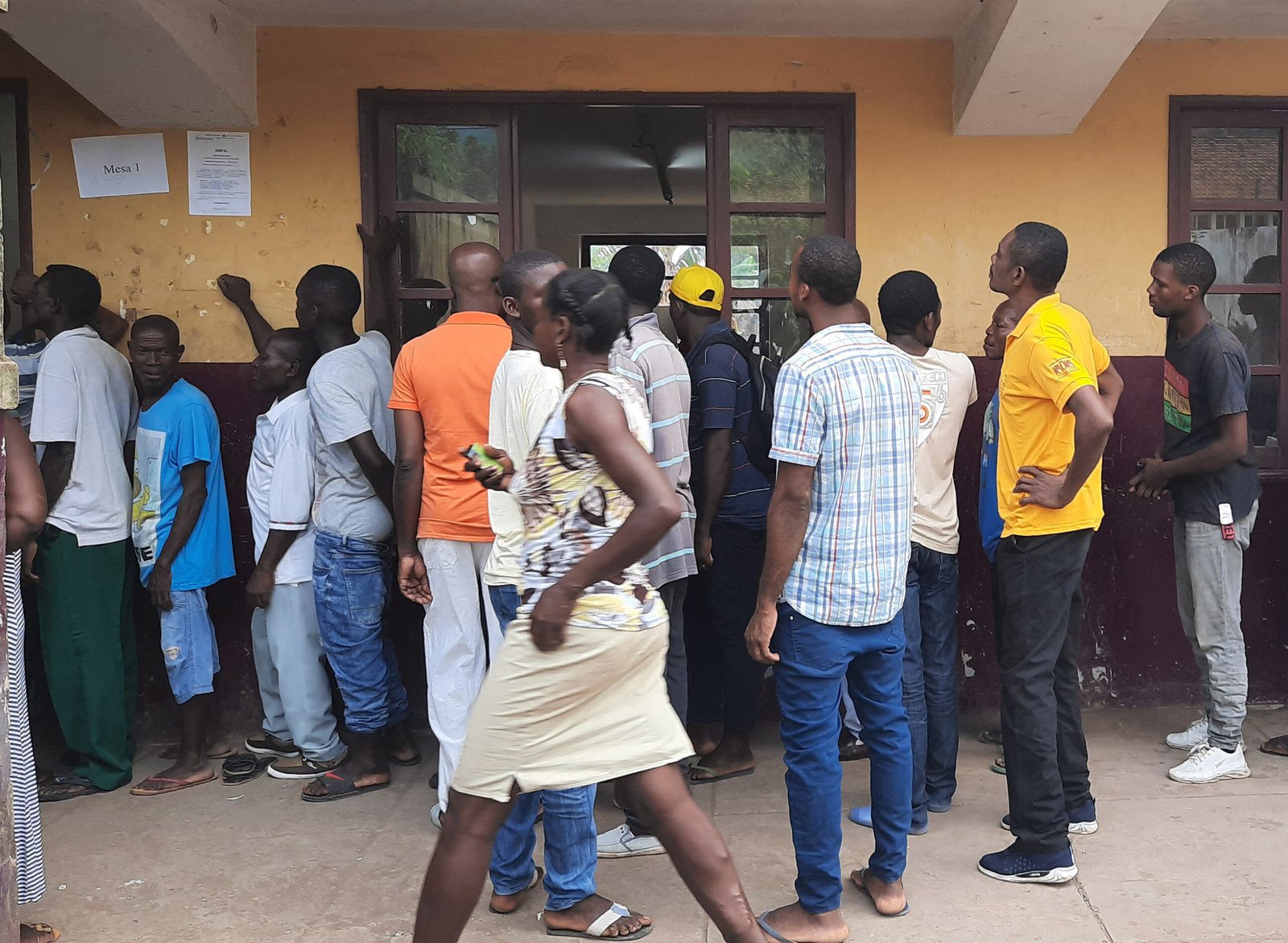
Ugandans today, January 15, 2026, are heading to polling stations across the country in an election widely seen as one of the most decisive in the nation’s modern political history.
From busy urban neighborhoods in the capital to distant rural communities, voters have formed long queues as they wait to cast their ballots for president and members of parliament, amid heightened security deployments.
The election places President Yoweri Museveni, 81, once again at the center of national and international attention. Museveni has been in power since 1986, making him one of Africa’s longest-serving leaders. He rose to power after years of political turmoil, promising stability and national reconstruction. Over nearly four decades, his leadership has fundamentally shaped Uganda’s political system, drawing praise from supporters who credit him with relative peace and criticism from opponents who argue that democratic institutions have steadily weakened.
Facing Museveni is a field of seven challengers, led by opposition figure Robert Kyagulanyi, popularly known as Bobi Wine. At 43, Kyagulanyi represents a stark generational contrast to the incumbent. A former musician turned legislator, he has emerged as a powerful symbol of change, particularly among young voters frustrated by unemployment, corruption, and limited political opportunities. His rise reflects broader shifts in elections in Uganda, where youthful demographics are increasingly influencing political outcomes.
The voting process has unfolded amid heightened tension following government-ordered restrictions on internet access during the election period. Opposition leaders and civil society groups argue that the shutdown hampers communication, election monitoring, and the rapid sharing of results. Authorities, however, defend the move as a necessary step to safeguard national security and prevent the spread of misinformation. Internet disruptions during elections have become a familiar feature of Uganda’s recent political landscape, drawing criticism from rights organizations and international observers.
Also Read; Africa Bears Climate Burden Despite Minimal Global Emissions
Polling stations opened early in the morning and are scheduled to close later in the afternoon, after which counting will begin at individual centers before results are transmitted to national tallying points. The Electoral Commission has said the official outcome of the presidential race is expected to be announced by Saturday, January 17. Until then, security remains tight in urban centers and strategic locations, reflecting fears of post-election unrest in a country where past polls have often been contested.
Uganda’s electoral history cannot be separated from constitutional changes introduced over the years, including the removal of presidential term limits in 2005 and age limits in 2017. These reforms cleared the way for Museveni to continue contesting elections well into his eighties, intensifying debate over leadership transition and the future of democracy. For many citizens, especially younger voters, the election is less about individual candidates and more about whether the country can chart a new political path.
As a key player in East Africa, Uganda’s political direction carries regional significance. International observers, diplomats, and neighboring states are watching closely to see whether the country will embark on a new chapter or reaffirm continuity under a leader whose influence has defined the nation for almost 40 years. Whatever the outcome, the vote is set to leave a lasting imprint on Uganda’s governance and on the long and closely scrutinized legacy of Yoweri Museveni.