MWE Correspondent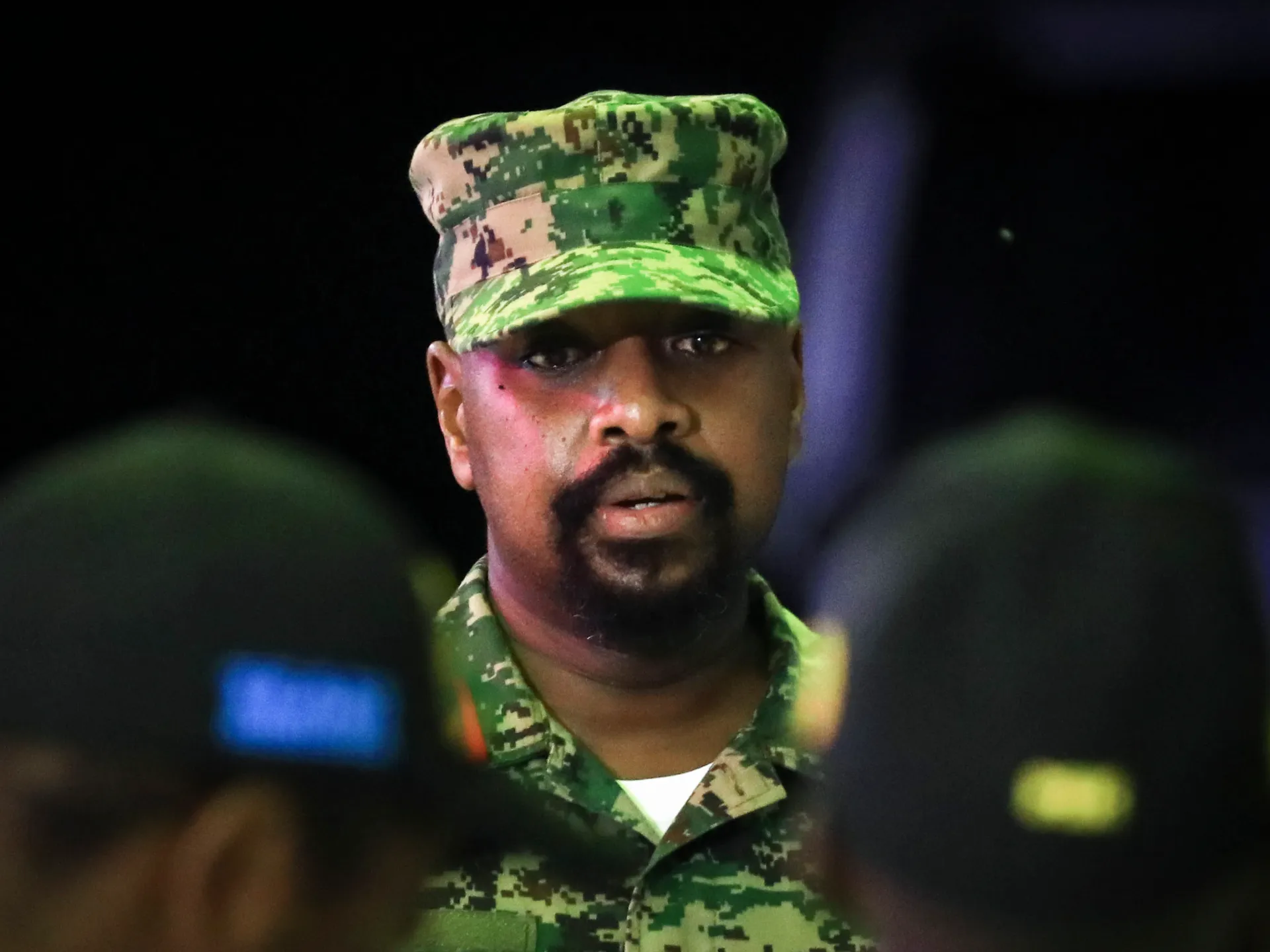
Uganda is facing renewed political tension after the country’s army chief, General Muhoozi Kainerugaba, claimed that security forces had killed dozens of individuals linked to the opposition National Unity Platform and detained thousands more in what he described as a preemptive operation to maintain stability.
In remarks shared late at night, General Muhoozi alleged that 30 people associated with the opposition party had been killed and over 2,000 arrested. He labelled those targeted as “terrorists,” a description that opposition leaders and human rights groups have previously rejected and disputed.
The National Unity Platform, led by opposition politician Bobi Wine, has long accused the government of using security forces to suppress dissent and intimidate supporters. Bobi Wine, whose real name is Kyagulanyi Ssentamu, remains a central figure in Uganda’s push for democratic reforms, advocating for political freedoms and transparency.
General Muhoozi, who is also the son of President Yoweri Museveni, stated that the arrests targeted individuals he claimed were being mobilized to disrupt public order. He added that the country was now “completely peaceful” and warned citizens not to “insult the Ugandan state.” Analysts have noted that it is unusual for a senior military officer to make such public claims without accompanying official documentation or independent verification.
Also Read; Putin Weighs Backing Trump’s Global Peace Proposal
The remarks have drawn attention both domestically and internationally. Observers in Uganda and abroad are closely monitoring the situation, highlighting concerns about the militarization of political discourse and the protection of civil liberties. Human rights organisations have previously raised alarms about arbitrary arrests, prolonged detentions, and restrictions on political assembly in the country.
As of now, neither the Uganda People’s Defence Forces nor the police have provided independent confirmation of the alleged deaths or arrests. Opposition figures have historically rejected similar claims, suggesting they are attempts to justify repressive measures against political rivals.
The unfolding situation underscores ongoing challenges in Uganda’s political landscape, where allegations of government overreach and opposition suppression remain central issues. Analysts warn that framing political opponents as security threats risks further deepening divisions and undermining trust in state institutions.
While the army chief insisted that the nation enjoys stability, questions remain over transparency, accountability, and the treatment of opposition supporters. The coming days are likely to determine whether the claims will be clarified and how both domestic and international actors respond to the latest developments in Uganda’s fragile political environment.