MWE Correspondent
With only days remaining before Ugandans head to the polls, the political atmosphere in the country has grown increasingly tense following a government decision to suspend several prominent civil society organisations.
The move has sparked widespread concern among rights advocates and political observers, who warn that the actions could further shrink civic space and undermine confidence in the electoral process.
The organisations affected are widely known for their work in legal advocacy, election observation, media freedom, and the protection of activists. Civil society leaders argue that the suspensions go beyond routine regulatory measures and appear aimed at limiting scrutiny of the vote. There are also fears that additional organisations could be targeted as election day approaches.
According to activists, many of the suspended groups have been outspoken in documenting alleged violations of human rights, particularly during politically sensitive periods. International standards recognise the protection of civil liberties as central to democratic governance, as outlined in global frameworks such as those discussed by the United Nations. In Uganda, however, rights groups say their work has increasingly been met with intimidation and legal pressure.
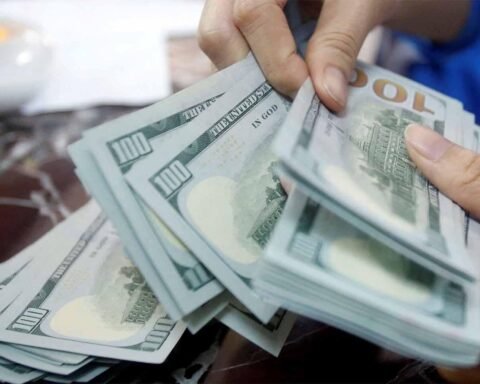
Election monitoring has emerged as a particularly sensitive issue. One of the affected organisations previously released a report after the last general election alleging widespread misuse of public resources to influence voters. While authorities rejected those findings, analysts note that election financing remains a key concern in many democracies, where transparency is critical to credible elections,
Also Read; US Does Not Rule Out Military Strike On Iran
Media freedom has also come under renewed strain. A group that advocates for journalists’ safety and rights has been suspended at a time when reporters continue to face arrests, harassment, and violence while covering political events. Press freedom advocates argue that silencing watchdog organisations weakens the ability of journalists to report independently, particularly during campaigns. The importance of a free press in democratic societies is widely discussed in global studies on journalism and its role in public accountability.
Adding to the growing unease are reports that a senior civil society figure, Dr Sarah Bireete, is being held by security agencies. Colleagues say her detention is linked to civic education activities and public discussions on constitutional rights. Her reported arrest has sent shockwaves through activist circles, with many fearing that even educating citizens about their rights could now be treated as a security threat.
Opposition leaders have strongly criticised the government’s actions. Leading opposition politician Robert Kyagulanyi, popularly known as Bobi Wine, has accused authorities of repeating claims that civil society groups pose a danger to national security. He argues that similar accusations were made during previous elections, while the real aim, he says, is to silence voices that refuse to legitimise repression, corruption, and abuse of power.
The current developments echo earlier crackdowns, including the suspension of dozens of organisations in 2021 over registration issues and the closure of major governance support initiatives. Critics argue that these measures have steadily weakened independent oversight and reduced public participation in national affairs.