MWE Correspondent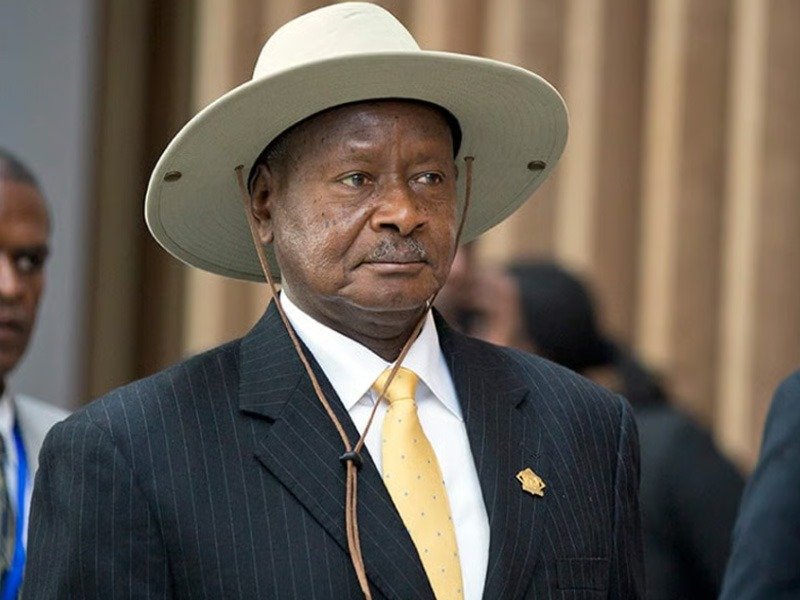
In the run‑up to Uganda’s general election scheduled for January, President Yoweri Museveni has sparked widespread criticism at home and abroad after comments suggesting that each soldier would carry 120 rounds of ammunition to deter unrest during the electoral period.
The remarks have reignited debates over the role of security forces in the political landscape, human rights protections, and the place of peaceful civic engagement in a democratic society.
Addressing journalists at his farm in Kisozi while campaigning for another term, Museveni warned supporters of the opposition National Unity Platform against provoking the country’s security agencies, implying that the presence of heavily armed forces would keep order. His suggestion that soldiers are equipped and prepared to use force drew immediate pushback from opposition figures and rights advocates, who interpreted the comments as a veiled threat against civilians.
Opposition leader Robert Kyagulanyi, widely known as Bobi Wine, whose political movement has attracted considerable attention domestically and internationally, has repeatedly denied urging followers to engage in riots or violent confrontations. Instead, his focus has been on encouraging supporters to exercise their constitutional rights peacefully and to protect their votes at polling stations.
Also Read;Pope Condemns Use Of Religion To Justify Conflict
Human rights activists say the president’s emphasis on ammunition and security presence raises serious concerns about the respect for civil liberties during elections. Dr. Livingstone Sewanyana of the Foundation for Human Rights Initiative noted that elections should be protected by law and order, but cautioning that talking about bullets risks framing dissent as a security threat rather than a political expression.
Critics also point to Uganda’s history of election‑related tension, where previous polls have at times been marred by clashes between security forces and civilians. Observers note that such confrontations have the potential to erode public confidence in democratic institutions and could deter voter participation.
Parliamentarians from opposition parties have demanded clearer assurances from the government that the right to peaceful assembly and protest will be upheld without intimidation or force. Some lawmakers have questioned whether security agencies are overstepping their constitutional mandate, highlighting concerns that the line between maintaining order and suppressing opposition has become blurred in the current political climate.
Meanwhile, the Uganda Electoral Commission has sought to balance these tensions by urging voters to avoid lingering at polling stations after casting their ballots — a measure officials say is intended to maintain peace but which critics argue may inadvertently suppress voter oversight and civic engagement.
Regional and international stakeholders, including diplomatic missions, have also weighed in on the situation. The United States Embassy in Kampala recently issued a travel advisory, reflecting concerns about safety amid political rallies and election‑related gatherings.
The controversy over Museveni’s remarks underscores deeper questions about the balance between security and fundamental democratic freedoms. Civil society groups continue to call for restraint, respect for constitutional rights, and peaceful dialogue among all political actors to ensure that the electoral process is conducted fairly and without intimidation.