MWE Correspondent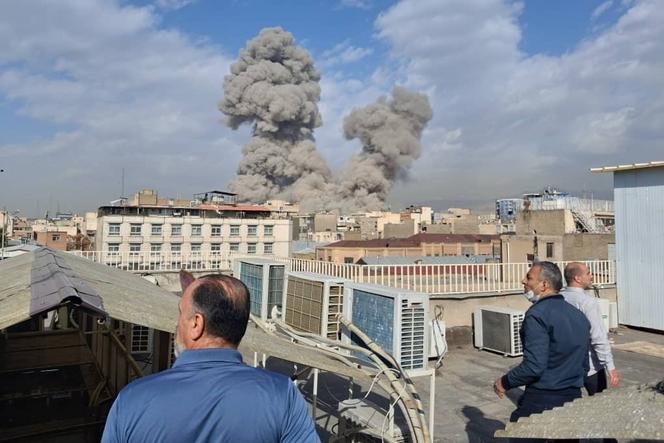
Fresh tensions have gripped the Middle East after coordinated military strikes by the United States and Israel targeted strategic sites inside Iran, including areas near the capital, capital city of Tehran.
The operation, carried out in the early hours of Saturday, marks one of the most serious escalations in the region in recent years and has prompted immediate international reaction.
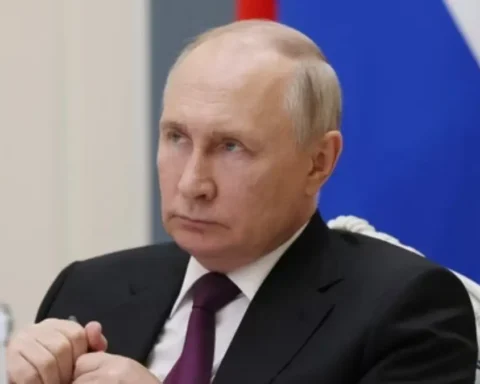
According to officials in Washington, the strikes were described as precision operations aimed at weakening facilities believed to present national security concerns. In remarks delivered shortly after the attack, the U.S. president said the action was meant to respond to long-standing tensions with the current Iranian government leadership. He further suggested that many citizens had for years expressed frustration with their political system and that the latest developments could reshape the country’s internal dynamics.
Iranian authorities strongly condemned the strikes, calling them a violation of sovereignty and international law. Government spokespeople warned that Tehran would defend its territory and respond decisively. State media reported loud explosions in several districts, while witnesses described scenes of panic as emergency teams moved quickly through affected neighborhoods.
The escalation comes against the backdrop of prolonged disputes over Iran’s nuclear ambitions, an issue closely monitored by the United Nations nuclear watchdog. Diplomatic negotiations in recent years sought to revive agreements designed to limit uranium enrichment in exchange for sanctions relief. However, talks have repeatedly stalled, leaving relations between Tehran and Western capitals increasingly strained.
Security analysts say the confrontation risks expanding beyond bilateral tensions. The long-running rivalry between Israel and Iran has often played out indirectly through regional alliances and proxy conflicts. Direct military engagement, experts warn, could destabilize broader Middle Eastern security and impact global energy markets.
International leaders have urged restraint, with several members of the United Nations Security Council calling for emergency consultations. Diplomats emphasized the importance of preventing further escalation and safeguarding civilian lives.
On the ground in Tehran, daily routines were disrupted as authorities assessed damage and tightened security. Flights were rerouted, and some public institutions temporarily suspended operations. While official casualty figures have not yet been released, humanitarian organizations expressed concern over potential civilian impact.
As global attention turns to the region, analysts caution that the coming days will be critical. Any retaliatory measures could deepen instability and draw additional actors into the conflict. For now, diplomatic channels remain active, with world powers urging dialogue over confrontation.
The situation continues to evolve, and further developments are expected as international efforts intensify to contain the crisis.