MWE Correspondent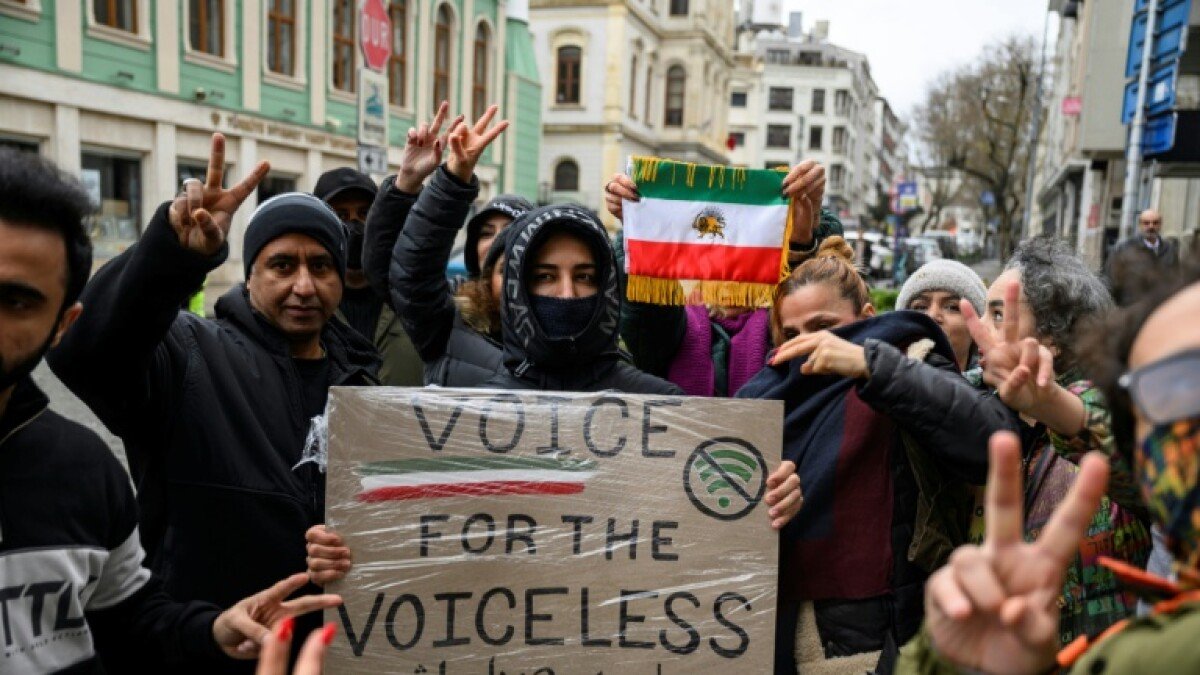
US President Donald Trump has sharply escalated tensions with Iran after announcing a complete suspension of diplomatic talks and openly urging Iranians to continue street protests and take control of state institutions, a move that has drawn global attention and raised fears of deeper confrontation.
In a forceful message shared on social media, Trump said he had halted all engagement with Iranian officials until what he described as the “killing of protesters” comes to an end. He also called on demonstrators to remain active, encouraging them to record the names of individuals allegedly involved in violence and repression, warning that accountability would eventually follow.
Trump introduced a new slogan, “MIGA – Make Iran Great Again,” closely echoing his long-standing political brand, Make America Great Again. The phrase appears intended to frame the unrest in Iran as part of a broader push for political change, while signaling overt sympathy for anti-government movements inside the country.
“I have cancelled all meetings with Iranian officials until the violence against protesters stops. Support is coming. MIGA!” Trump wrote, a statement that quickly circulated across global media platforms and sparked debate over the role of foreign leaders in domestic political crises.
The announcement comes at a sensitive moment for diplomacy between Washington and Tehran. Only days earlier, Iran’s Foreign Minister Abbas Araghchi told Al Jazeera that his government remained open to dialogue with the United States, despite years of strained relations fueled by sanctions, nuclear disputes, and regional rivalries. Trump’s latest remarks, however, appear to have undercut any remaining prospects for engagement in the near term.
Also Read; President Samia Calls for Justice, Integrity in Courts
Political analysts say the language used by Trump marks a notable shift from conventional diplomatic messaging. While US leaders have previously criticized Iran’s human rights record, openly calling on citizens to challenge or seize state institutions is widely viewed as a provocative step that could harden positions on both sides.
Iranian leaders have responded with strong warnings. Parliamentary Speaker Mohammad Bagher Ghalibaf cautioned that any direct attack on Iran would be met with a powerful response, claiming that retaliation could extend to US military bases across the Middle East. His remarks highlight the broader regional risks tied to rising US-Iran tensions, particularly at a time when the region is already facing multiple security challenges.
So far, Tehran has not issued an official statement directly addressing Trump’s call for citizens to overthrow government institutions. However, past responses suggest Iranian authorities view such statements as foreign interference, potentially justifying tougher internal and external measures.
International observers warn that the collapse of diplomatic communication increases the risk of miscalculation. Without dialogue, even minor incidents could escalate rapidly, with consequences reaching far beyond Iran and the United States.