MWE Correspondent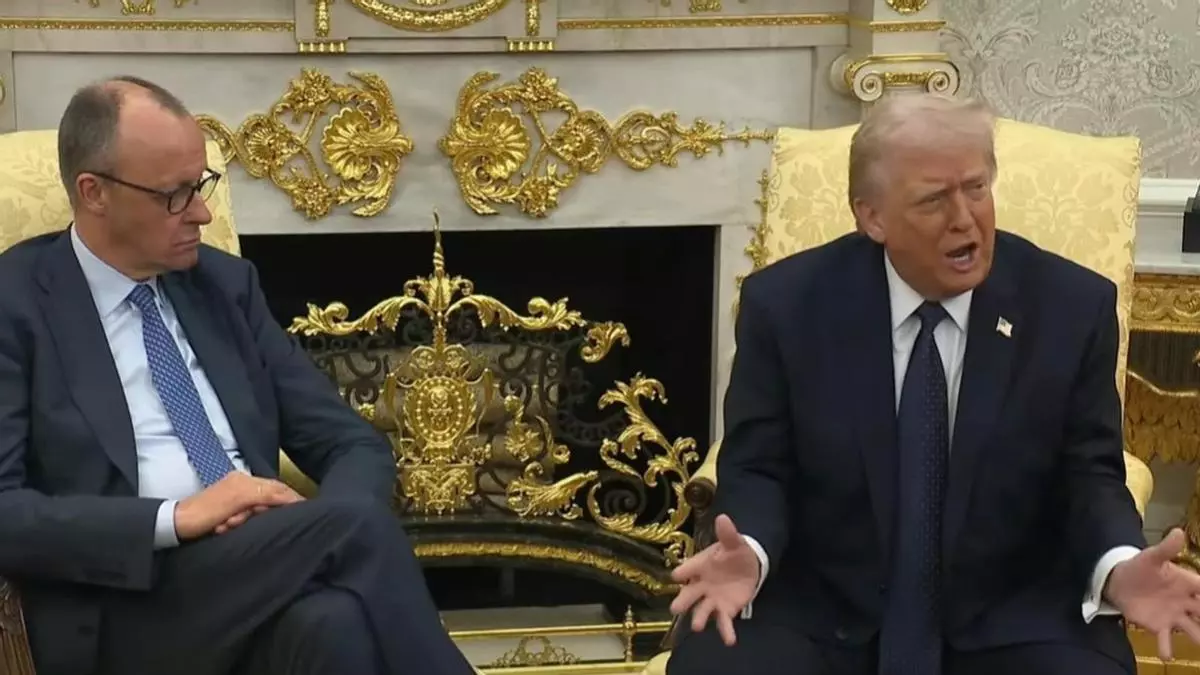
Tensions between Washington and Madrid have surfaced after U.S. President Donald Trump publicly criticized Spain for reportedly refusing to allow American forces to use its military bases for a possible operation targeting Iran.
Speaking at a public event, Trump expressed frustration over what he described as Spain’s unwillingness to support U.S. military planning at a sensitive geopolitical moment. According to his remarks, Spanish authorities made it clear that American forces would not be granted authorization to launch or coordinate operations against Iran from bases located on Spanish soil.
“Spain has been very bad,” Trump said. “I asked the Treasury Secretary to cut off all relations with Spain completely.” He did not provide further details about what economic or diplomatic measures such instructions might involve, and there has been no official confirmation of policy changes.
Spain is a long-standing ally of the United States and a member of NATO, hosting key joint-use military facilities that support transatlantic security cooperation. These bases have historically played important roles in logistics, naval operations, and air mobility missions linking Europe, Africa, and the Middle East. However, under international agreements, the use of such facilities for offensive military action typically requires the consent of the host nation.
Trump suggested that the United States retains the ability to act decisively regardless of Spain’s position. “They told us we cannot use their bases, and that’s fine,” he said. “We can use those bases if we want. We can just go and use them. Nobody will stop us.” The statement has sparked debate among foreign policy analysts, many of whom note that alliance agreements are governed by formal treaties and legal frameworks that emphasize cooperation and mutual consent.
The reported disagreement comes amid heightened friction between Washington and Tehran, as regional tensions in the Middle East continue to rise. European governments, including Spain, have largely advocated restraint and diplomacy, urging efforts to prevent further escalation that could destabilize global markets and international security.
Diplomatic observers say Spain’s stance may reflect broader European caution about becoming directly involved in a widening confrontation. Public opinion across parts of Europe has historically been sensitive to military interventions in the Middle East, placing political pressure on governments to tread carefully.
Despite the strong rhetoric, analysts believe both Washington and Madrid are likely to maintain open diplomatic channels. The two countries share extensive economic ties and long-standing defense cooperation, making a complete rupture unlikely.
Still, the episode highlights the delicate balance within international alliances. Even close partners can disagree when strategic interests and domestic considerations collide. As tensions surrounding Iran continue to evolve, the focus now shifts to whether diplomacy can ease the strain — both in the Middle East and within Western alliances themselves.