MWE Correspondent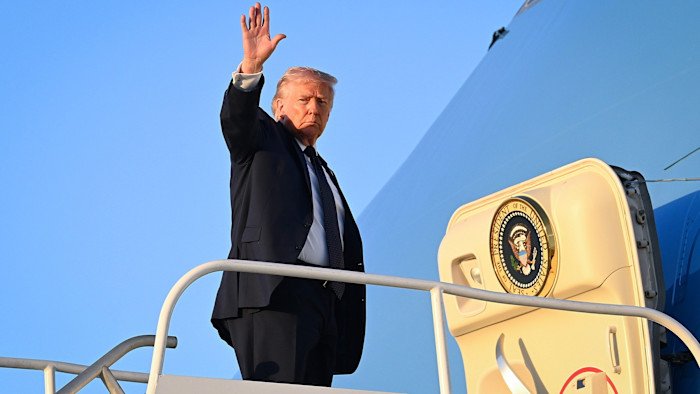
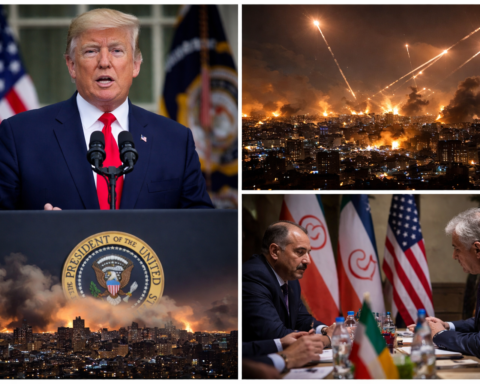
The President of the United States, Donald Trump, has expressed optimism that the ongoing military confrontation involving Iran could come to an end in the near future, raising cautious hopes of de-escalation in a conflict that has unsettled global security and energy markets.
Speaking to reporters as international concern grows over the expanding crisis in the Middle East, Trump said he believes the conflict could conclude “very soon,” suggesting that diplomatic and military developments behind the scenes may be pushing the situation toward a resolution.
The war, which erupted amid heightened tensions between Iran and its regional adversaries, has drawn international attention and triggered widespread diplomatic activity. Governments across the world have been closely monitoring the situation, fearing that prolonged hostilities could destabilize the region and disrupt global trade routes.
Although the United States has played a central role in recent military developments, Trump’s remarks indicated that negotiations and pressure from multiple international actors could contribute to a quicker end to the confrontation. However, he did not provide specific details about the diplomatic channels or military conditions that might bring the fighting to a halt.
The conflict has intensified geopolitical rivalries in the Middle East, particularly involving Israel and several regional groups aligned with Iran. Missile strikes, drone attacks, and retaliatory military operations have been reported across various locations since the confrontation escalated, raising fears of a wider regional war.
Security analysts say the crisis represents one of the most volatile moments in the Middle East in recent years. The involvement of global powers and the strategic importance of the region have made the conflict a focal point of international diplomacy.
One of the key concerns for the global economy has been the potential disruption of vital maritime trade routes. In particular, attention has focused on the Strait of Hormuz, a narrow waterway through which a significant portion of the world’s oil shipments pass. Any prolonged instability in this corridor could have far-reaching effects on global energy prices and supply chains.
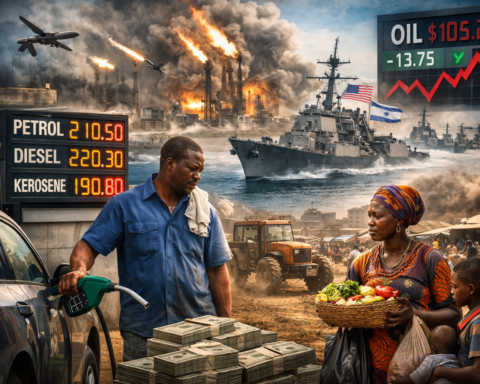
Energy markets have already reacted to the tensions, with fluctuations reflecting uncertainty over how the conflict might evolve. Several countries have begun reviewing contingency plans to protect shipping routes and maintain energy security should the situation deteriorate further.
Diplomatic efforts aimed at reducing tensions have intensified in parallel with military developments. International organizations and regional powers have called for restraint and dialogue, emphasizing that further escalation could trigger humanitarian consequences and destabilize neighboring states.
Also Read; Trump Warns Iran Over Future Supreme Leader Choice
Observers note that even if the fighting were to subside quickly, the broader geopolitical rivalry underlying the crisis may continue to influence regional politics for years to come. The Middle East has long been shaped by complex alliances, ideological divisions, and competition for strategic influence.
Trump’s statement that the war could end soon may therefore reflect optimism about immediate developments rather than a definitive resolution of the deeper political disputes that contributed to the conflict.
For now, governments around the world remain cautious. While the possibility of a rapid end to hostilities offers a measure of hope, analysts say the coming days will be critical in determining whether diplomatic initiatives can successfully transform the current confrontation into a sustainable path toward stability.
As global attention remains fixed on developments in the Middle East, the prospect of peace continues to depend on delicate negotiations, shifting military calculations, and the willingness of all sides to step back from further escalation.