MWE Correspondent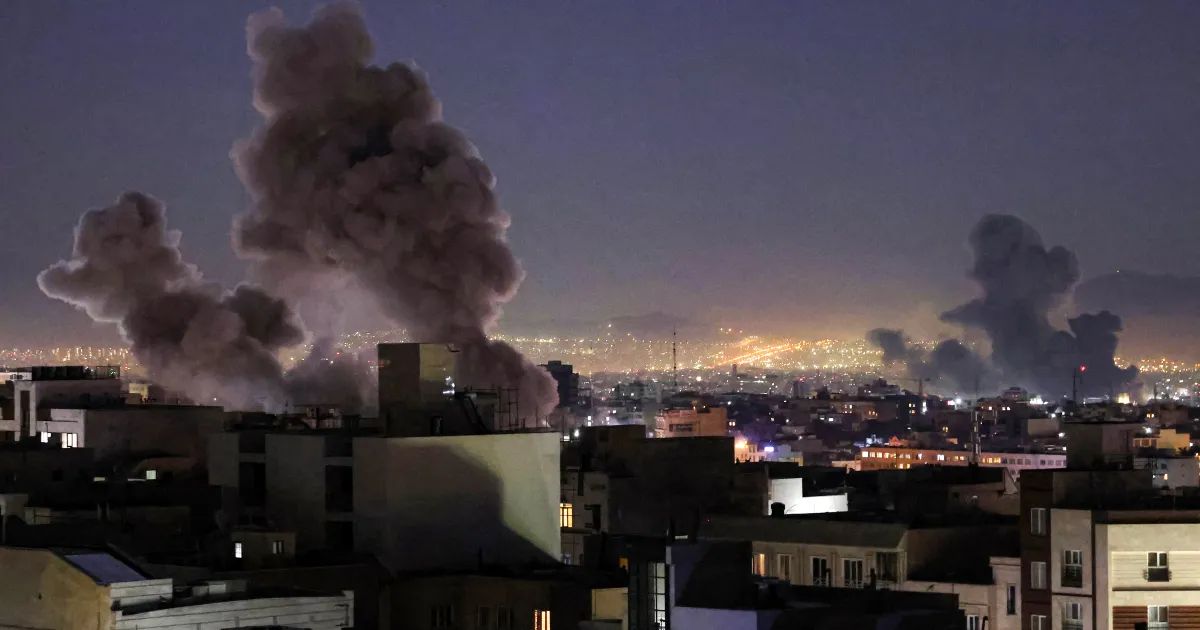
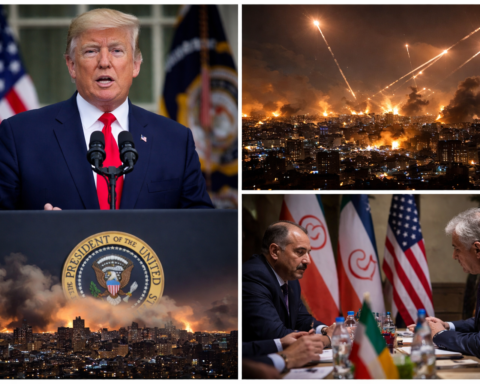
Tensions in the Middle East have entered a new phase after Iran outlined three key conditions that it says must be met before any meaningful negotiations to end the ongoing conflict can begin.
The announcement comes at a time when global leaders are increasingly concerned about the risk of further escalation and its potential impact on regional stability and international markets.
According to officials in Tehran, the country remains open to diplomacy, but only if certain fundamental concerns are addressed first. The first condition calls for an immediate halt to military operations targeting Iranian territory. Iranian leaders argue that negotiations cannot take place while attacks continue, saying that ongoing military actions only deepen mistrust and make diplomatic progress more difficult.
The second demand focuses on the economic pressure Iran has faced in recent years. Authorities say that the removal of international sanctions must be part of any serious effort to achieve a lasting peace. Iranian officials have long argued that these restrictions have significantly affected the national economy and limited access to global markets. To understand how such restrictions affect nations and global trade,
The third condition centers on security guarantees. Iran has called for assurances that future attacks will not occur, along with discussions about compensation for damage caused during the conflict. Leaders in Tehran say these steps are necessary to ensure long-term stability and rebuild trust in the region.
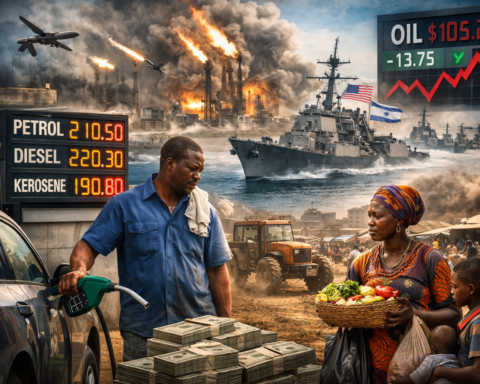
The announcement also comes amid growing concerns about global energy security. The Middle East remains a crucial hub for oil transportation, particularly through the Strait of Hormuz, a narrow but strategically vital shipping route that carries a significant share of the world’s petroleum supply. Any disruption in this area can have immediate consequences for international energy prices and supply chains.
Also Read; Trump Appoints Erika Kirk to Air Force Academy Board
Analysts say the statement from Tehran could be interpreted in different ways. Some view it as a possible opening for diplomatic negotiations, while others believe it reflects a firm strategic stance aimed at strengthening Iran’s position in the ongoing geopolitical dispute.
The broader situation is deeply connected to the long-standing geopolitical tensions that have shaped the Middle East for decades. Political rivalries, territorial disputes, and security concerns have repeatedly created flashpoints across the region, making diplomatic solutions complex and often difficult to achieve.
As tensions continue, governments and international organizations around the world are urging restraint and renewed diplomatic engagement. The stakes remain high not only for the countries directly involved but also for the global economy and international security.
Whether Iran’s proposed conditions become the starting point for negotiations or simply reinforce existing divisions remains uncertain. For now, the international community continues to watch closely as developments unfold, hoping that diplomacy can eventually open a path toward stability and peace.