MWE Correspondent
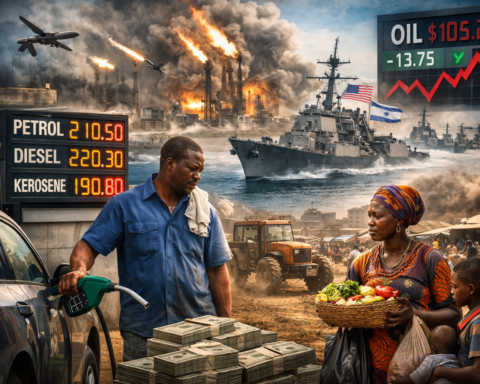
Tanzania has reassured citizens and businesses that the ongoing conflict in the Middle East has not yet significantly affected the country’s fuel supply, despite rising global oil prices and increasing regional tensions.
Government officials say the nation’s robust petroleum reserves and careful planning have helped shield consumers and local industries from sharp disruptions.
The warning comes as crude oil markets have been volatile following heightened hostilities in the region. Key maritime routes, such as the Strait of Hormuz, a critical chokepoint for global oil shipments, have experienced incidents affecting tankers, raising concerns over uninterrupted fuel flows. Recent attacks on vessels and threats from regional military forces have prompted global monitoring of oil transportation in the Gulf.
Speaking on the current domestic situation, Mussa Mohammed Makame, Chief Executive of Tanzania Petroleum Development Corporation (TPDC), said the country’s reserves are sufficient to meet national demand for several months. “Tanzania’s fuel stocks are secure, and we continue to monitor international markets closely to prevent any immediate impact on supply or prices,” Makame said.
While global crude prices have climbed, reaching around $100 per barrel in Asian markets, the International Energy Agency (IEA) and several oil-producing nations have released emergency reserves to mitigate supply risks. These measures aim to stabilize markets amid uncertainty caused by attacks on oil tankers and threats to major shipping lanes.
Also Read; Trump Appoints Erika Kirk to Air Force Academy Board
Tanzania has so far avoided major domestic price shocks. Authorities note that future volatility remains a possibility if conflicts escalate further. At the same time, ongoing monitoring ensures that fuel for transportation, aviation, and industry remains available, with minimal disruption to everyday life.
Regional security developments continue to draw attention. Attacks on vessels near Oman and Iraq have highlighted the risks faced by international shipping. Reports indicate that one oil tanker near Iraq’s Shatt al‑Arab waterway was struck, resulting in casualties, while rescue operations were carried out to secure crews. Similar incidents off Oman required naval intervention to safeguard seafarers and vessels.
Meanwhile, the wider Middle East conflict has drawn in multiple regional actors, with repeated strikes and counter-strikes, particularly involving Israeli military operations and Hezbollah forces. Israeli officials have warned that military engagements may continue for an extended period, underlining the potential for long-term instability that could influence global energy markets.
Despite these tensions, Tanzanian authorities remain confident that strong reserves, careful planning, and continuous market monitoring will maintain domestic energy security. Citizens and businesses are encouraged to stay informed on global developments, but there is no immediate cause for concern over fuel availability or pricing within the country.