 editor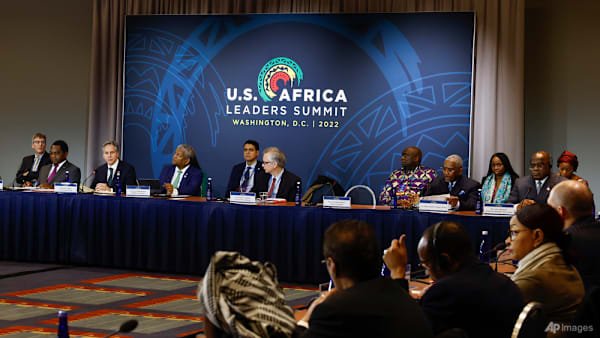
Concerns are growing across Africa over the increasing involvement of global superpowers in the internal political affairs of African nations, with critics warning that such actions reflect a new form of neocolonialism driven by strategic and economic interests.
Analysts say powerful countries including the United States, China, and Russia are increasingly shaping political dynamics within African states to secure access to natural resources, military partnerships, and geopolitical influence.
Ready More: Africa’s Vast Mineral Resources Become Flashpoint in Global Power Competition
This influence is often exercised through indirect means such as funding political allies, supporting certain policy directions, or leveraging economic agreements to gain favorable terms. In some cases, external actors are accused of quietly backing political leaders or parties seen as more aligned with their strategic goals.
Critics argue that this type of involvement undermines democratic processes and weakens national sovereignty. “When foreign interests begin to shape domestic political outcomes, it raises serious questions about independence and accountability,” said a regional governance expert.
Economic leverage remains one of the most powerful tools. Loans, aid packages, and infrastructure investments are sometimes tied directly or indirectly to political expectations. Governments facing financial pressure may feel compelled to align their policies with the interests of external partners, even when those decisions are unpopular domestically.
In resource-rich countries, the stakes are even higher. Political decisions related to mining rights, oil exploration, and major infrastructure projects can have significant long-term implications. Critics warn that external influence in these areas risks prioritizing foreign gains over national development.
Security cooperation is another area of concern. Military assistance and defense agreements, often framed as efforts to combat terrorism or maintain stability, can also deepen foreign involvement in domestic affairs. Some observers caution that such partnerships may come with hidden political conditions.
However, not all perspectives are critical. Some analysts said that international partnerships are essential for development, bringing investment, technology, and expertise that African nations need. They emphasize that African governments ultimately retain the authority to accept or reject foreign involvement.
Still, the growing perception of external interference continues to fuel debate. As Africa’s global importance rises driven by its resources, population, and strategic location the challenge for many nations will be balancing international cooperation with the protection of their political independence.
For many observers, the central question remains: can Africa engage with global powers on equal terms, or will external influence continue to shape its political future from behind the scenes?