MWE Correspondent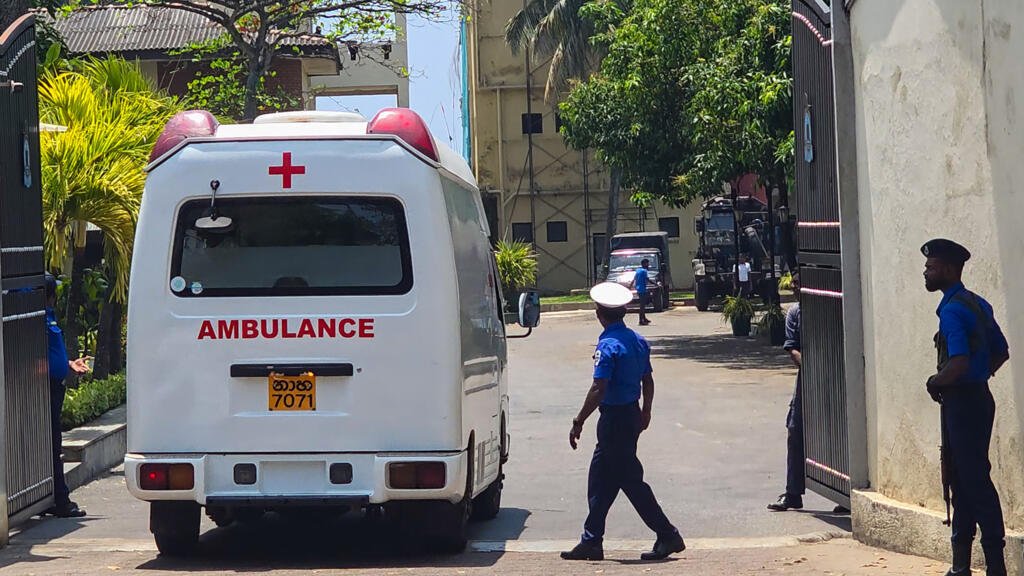
A dramatic maritime rescue unfolded early Wednesday after an Iranian naval frigate sent a distress signal and began sinking in international waters near Sri Lanka’s southern coast, prompting swift humanitarian action by Sri Lankan forces.
The incident has raised urgent questions about the cause of the sinking as authorities focus on saving lives and investigating what happened.
Sri Lanka’s navy and air force responded to the distress call issued by the Iranian frigate IRIS Dena about 40 nautical miles off the coast of the southern port city of Galle. Foreign Minister Vijitha Herath told lawmakers that at least 30 crew members were rescued from the stricken vessel and transported to the Karapitiya Teaching Hospital for medical attention, though the condition of the injured has not been fully disclosed.
The IRIS Dena, a frigate in service with Iran’s naval forces, reportedly had around 180 sailors on board when it experienced distress. Sri Lankan authorities said the rescue mission was conducted under international obligations to assist vessels in trouble at sea. “We responded to the distress call under our maritime search and rescue responsibilities,” said a defence spokesperson.
While the initial focus has been on rescuing those in immediate danger, speculation has swirled about what caused the warship to sink. Some international reporting has pointed to the possibility of a submarine attack, though Sri Lankan officials have not confirmed this claim. According to some sources, more than 100 personnel may have been unaccounted for following the incident, and dozens of sailors were reported injured — figures that underscore the urgency and complexity of the situation.
The mysterious circumstances surrounding the IRIS Dena’s sinking have drawn attention amid broader tensions in the region, where confrontations between Iran and foreign military forces have intensified over recent weeks. While the vessel was outside Sri Lankan territorial waters, the government emphasised its duty to provide assistance, citing frameworks such as the International Convention on Maritime Search and Rescue, which obliges coastal states to aid mariners in distress regardless of nationality.
The IRIS Dena is identified as part of the Moudge‑class frigate series — Iranian‑built warships designed for patrol, air defence and surface combat operations. These vessels have been integral to Iran’s naval presence across regional waters, including previous participation in multinational exercises.
Also Read; US Military Aircraft Crashes in Kuwait, Crew Survives
Locals in Galle and surrounding areas described a scene of coordinated activity as naval ships and aircraft joined the search efforts. Emergency personnel, including ambulances and hospital staff, were seen preparing to receive the wounded, while security was heightened around the naval command and medical facilities as rescued sailors arrived.
Opposition lawmakers in Sri Lanka pressed officials in Parliament for clarity on whether external military action had played a role in the sinking, pointing to ongoing hostilities in the Indian Ocean region linked to the wider geopolitical conflict. However, the government has so far refrained from answering directly, indicating that a formal investigation will follow once immediate rescue operations conclude.
Global maritime experts note that large warships can face a range of dangers at sea, from mechanical failure to hostile action, particularly in contested waters. This incident highlights the importance of preparedness and international cooperation when vessels encounter peril far from their home ports.
As Sri Lanka continues its search for additional survivors, families of those aboard the vessel and officials in Iran and other nations are awaiting clearer information on the full toll of the disaster. The event marks a rare and perilous moment in recent naval history, underscoring both the fragility and resilience of life at sea.