MWE Correspondent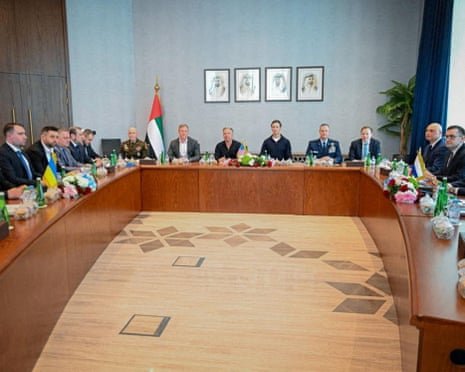
Russia has intensified pressure on Ukraine, urging Kyiv to accept its proposed terms for ending a conflict that has now lasted nearly four years.
The warning was issued as representatives from both countries began fresh negotiations in the United Arab Emirates, a setting viewed by observers as a neutral ground for delicate diplomacy.
Moscow signaled that continued military operations remain an option should the talks fail to produce an agreement aligned with its demands. While Russian officials stopped short of outlining all conditions publicly, the message was clear: compromise is expected, or the fighting will continue. The remarks have added tension to discussions that many see as fragile, given the history of stalled peace efforts.
Ukraine has not formally responded to the latest statement, but officials have repeatedly emphasized that any settlement must respect national sovereignty and territorial integrity. Ukrainian negotiators attending the talks have remained cautious in their public comments, reflecting the sensitive nature of discussions taking place behind closed doors.
Also Read: Residents Protest Demolitions Near Kolwezi Airport
The conflict, widely known as the Russo-Ukrainian war, has reshaped political and security dynamics across Europe and beyond. Since its outbreak, the fighting has displaced millions of civilians, damaged critical infrastructure, and drawn in international actors through military assistance, economic sanctions, and diplomatic engagement. The prolonged war has also placed immense strain on global diplomacy, with repeated ceasefire attempts failing to bring lasting peace.
Choosing the United Arab Emirates as the venue highlights its growing reputation as a diplomatic bridge between rival powers. The country has previously hosted discussions related to humanitarian corridors and prisoner exchanges, building trust as a place where opposing sides can meet without immediate political pressure.
Analysts suggest Russia’s strong rhetoric may be aimed at gaining leverage at the negotiating table rather than signaling an imminent escalation. Nevertheless, they caution that the talks remain vulnerable to collapse, particularly given deep disagreements over territory, security guarantees, and the role of international partners.
The wider international community continues to watch developments closely. The war has disrupted energy markets, affected global food supplies, and contributed to rising geopolitical tensions. Organizations such as the United Nations have repeatedly called on both sides to pursue dialogue, stressing the importance of protecting civilians and adhering to international law.
As negotiations continue, uncertainty remains high. For millions affected by the conflict, the talks offer a rare moment of cautious hope, even as past experience tempers expectations. Whether this round of dialogue marks a step toward peace or another missed opportunity will likely become clearer in the days ahead.