MWE Correspondent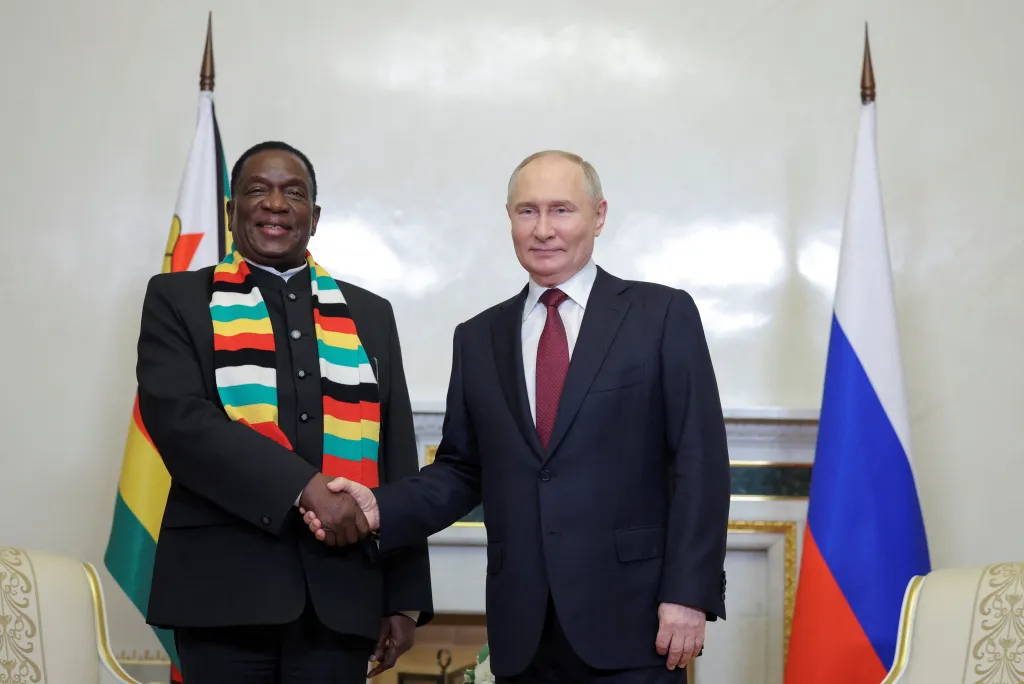
Russia is moving to broaden its diplomatic and people-to-people engagement in southern Africa by expanding visa-free travel agreements with several countries in the region, according to officials familiar with the policy direction.
The proposed expansion would see Zambia, Zimbabwe, Mozambique and Eswatini added to the list of African states whose citizens can enter Russia without a visa, a step Moscow views as both symbolic and strategic.
The initiative is part of a wider foreign policy push aimed at deepening ties with Africa at a time when Russia is actively diversifying its global partnerships. By easing travel restrictions, Russian authorities hope to stimulate tourism, cultural exchange and business contacts, while also reinforcing political goodwill with governments across the continent.
At present, Russia maintains reciprocal visa-free arrangements with eleven African nations, most of them in North and East Africa. Expanding the list to include more countries in the south would mark a notable shift, reflecting Moscow’s growing interest in the Southern Africa region, which it sees as increasingly important in global economic and geopolitical calculations.
Officials say visa liberalisation is often one of the most tangible ways to strengthen bilateral relations, particularly for countries seeking to boost tourism revenues and attract foreign investment. For southern African nations, visa-free access could make Russia a more accessible destination for students, entrepreneurs and tourists, while also encouraging Russian visitors to explore destinations that have traditionally relied on European and regional travel markets.
The move also fits into Russia’s broader effort to position itself as a long-term partner for African countries beyond traditional security and energy cooperation. In recent years, Moscow has stepped up engagement through high-level visits, trade forums and multilateral platforms such as the Russia–Africa Summit, presenting itself as an alternative partner in a changing international order.
Analysts note that easing visa rules can have practical economic benefits, particularly in tourism-linked sectors such as aviation, hospitality and services. Southern African countries, many of which are working to recover fully from the economic impact of the COVID-19 pandemic, see diversified tourism markets as key to building resilience. Visa-free access to a large market like Russia could, over time, help reduce overreliance on a narrow group of source countries.
Also Read; Africa Bears Climate Burden Despite Minimal Global Emissions
Diplomatically, the initiative underscores Russia’s intention to strengthen relationships outside its traditional spheres of influence. As ties with parts of Europe and North America remain strained, Moscow has increasingly looked toward Africa, the Middle East and Latin America as regions where it can expand cooperation based on what it describes as mutual respect and non-interference. This approach aligns with Russia’s stated goal of promoting a more multipolar world order, a concept frequently raised in its engagements with developing nations.
While timelines for the implementation of the new agreements have not been formally announced, discussions are expected to progress through bilateral diplomatic channels. Any visa-free arrangement typically requires reciprocal commitments, as well as coordination between immigration, security and foreign affairs authorities on both sides.
For countries such as Zambia and Zimbabwe, which already maintain cordial relations with Russia, the proposal is likely to be viewed as a positive signal of deeper engagement. Mozambique and Eswatini, meanwhile, could see the move as an opportunity to broaden their international partnerships and raise their profile among Russian travelers and investors.
As global travel patterns continue to evolve, visa policy has become an increasingly important diplomatic tool. Russia’s planned expansion of visa-free travel in southern Africa highlights how mobility, diplomacy and economic strategy are becoming more closely intertwined, shaping new connections between regions that, until recently, had limited direct engagement.