MWE Correspondent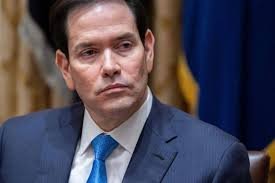
Amid rising tensions in the Middle East, U.S. Secretary of State Marco Rubio publicly refuted claims that he had suggested Israel was preparing a military strike against Iran. Speaking to reporters during a press briefing, Rubio emphasized that any statements linking him to such remarks were inaccurate and misrepresented.
A journalist asked Rubio about an earlier report suggesting he had indicated Israel’s intentions to launch an attack on Iran, which would require U.S. involvement. Rubio responded firmly, saying, “That statement is not accurate,” and stressed the importance of precise communication from senior officials during such a delicate geopolitical moment.
The clarification comes as tensions between Israel and Iran continue to dominate global headlines. Analysts note that Washington faces a complex balancing act: supporting a key ally in Israel while also managing relations with other regional powers to avoid an escalation that could spiral into a wider conflict. Rubio’s statement reflects an effort to ensure that U.S. foreign policy messaging remains clear and measured, even amid heightened anxiety in the region.
Experts in international relations highlight that misinterpretation of official statements can have serious consequences. In the Middle East, where actions and rhetoric are closely monitored, even informal remarks can be amplified or misconstrued, potentially impacting diplomatic efforts. Rubio’s public denial aims to prevent misunderstandings that could complicate ongoing U.S. diplomatic initiatives.
Also Read; US Military Aircraft Crashes in Kuwait, Crew Survives
Spain and other European nations have been cautious in navigating the escalating tensions, advocating for restraint and diplomacy rather than direct involvement. Meanwhile, the United States continues to reinforce its commitment to Israel’s security, maintaining a stance that combines strategic support with careful management of international messaging.
The current environment in the Middle East is particularly sensitive, with multiple actors engaged in both overt and covert military and political maneuvering. As officials issue statements and policy clarifications, the global audience carefully watches for signals that could indicate either escalation or de-escalation.
Rubio’s denial highlights the importance of accurate communication in global diplomacy. By clarifying his remarks, he aimed to reduce the risk of misinterpretation, signaling that U.S. engagement in the region is deliberate and measured. Observers note that such public clarifications are essential to maintaining credibility with both allies and adversaries, ensuring that rhetoric does not inadvertently inflame tensions.
As the situation evolves, U.S. officials have reiterated their commitment to ongoing diplomatic engagement with both Israeli and Iranian counterparts. The goal remains to navigate a path that balances strategic interests, international alliances, and regional stability, while avoiding missteps that could escalate the already volatile situation further.