MWE Correspondent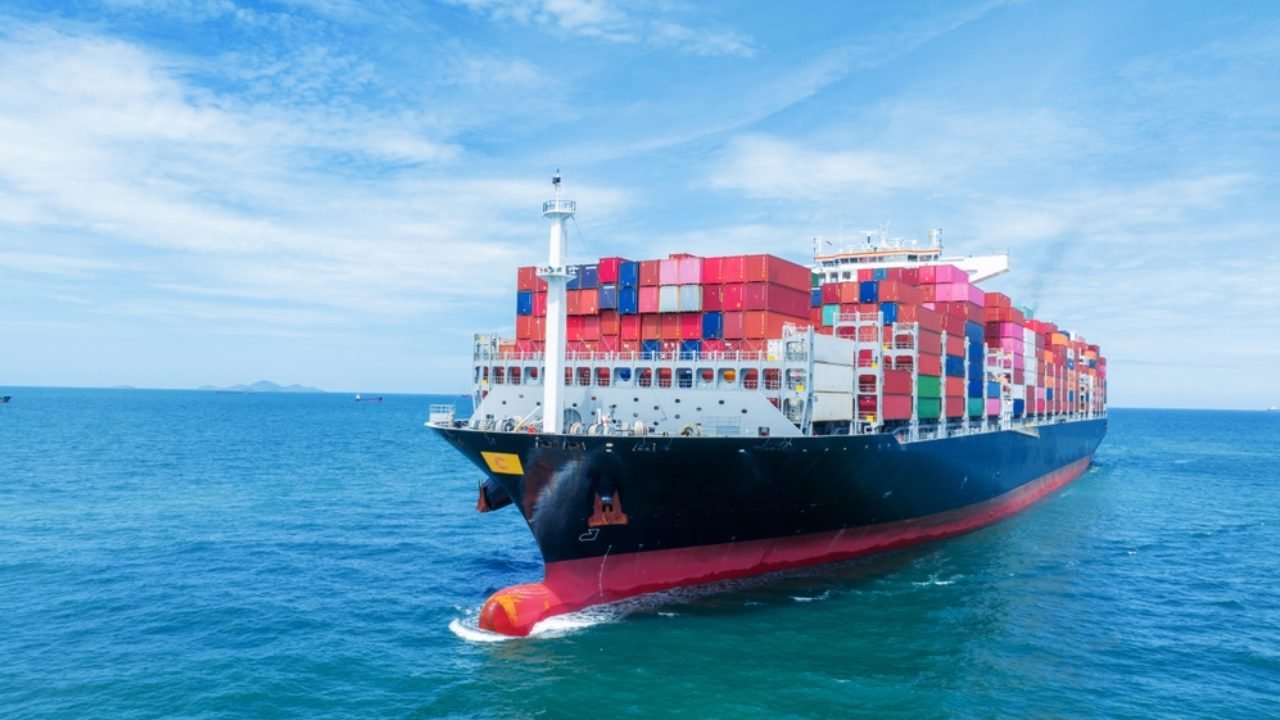
Ongoing security disruptions in the Red Sea are continuing to unsettle global shipping routes, forcing cargo vessels to reroute and pushing freight and insurance costs higher across key trade corridors.
Maritime operators report that heightened risks near the Bab el-Mandeb Strait have compelled several major shipping lines to divert vessels around the Cape of Good Hope, significantly extending travel time between Asia and Europe. The longer routes increase fuel consumption and delay deliveries, placing additional strain on already sensitive global supply chains.
The Red Sea corridor is one of the world’s most critical maritime passages, connecting to the Suez Canal and facilitating a substantial share of global container traffic. Disruptions in this narrow stretch can quickly ripple through energy markets, manufacturing sectors, and retail distribution networks.
Shipping insurers have responded by raising war-risk premiums for vessels operating in affected waters. These additional costs are often passed along to importers and exporters, ultimately influencing consumer prices. Analysts note that while the global economy has shown resilience since the pandemic-era supply chain crisis, it remains vulnerable to geopolitical shocks.
Also Read: Red Sea Shipping Disruptions Raise Trade Costs”
Energy markets are particularly attentive. Tankers transporting crude oil and liquefied natural gas rely on uninterrupted passage through the region. Any sustained instability raises concerns about price volatility and supply reliability, especially for European and Asian importers.
Governments have stepped up naval patrols in coordination with international partners, seeking to safeguard commercial shipping lanes. The International Maritime Organization has urged continued cooperation to ensure maritime safety and reduce escalation risks.
For exporters in Africa and the Middle East, delays pose immediate commercial challenges. Agricultural producers, textile manufacturers, and energy suppliers depend on predictable logistics to meet contractual obligations. Even minor disruptions can lead to penalties, storage costs, and lost market opportunities.
Economists warn that sustained shipping instability could contribute to renewed inflationary pressure, particularly if fuel and freight costs remain elevated. While current disruptions have not reached the scale of past global crises, markets are reacting cautiously.
At the human level, the impact extends beyond balance sheets. Dockworkers, truck drivers, and small-scale exporters experience the consequences of delayed shipments firsthand. Longer transit times disrupt scheduling and reduce income predictability for workers tied to global trade networks.
Much now depends on diplomatic efforts and coordinated security measures. Ensuring safe passage through the Red Sea is not merely a regional issue — it is central to the stability of international commerce.