MWE Correspondent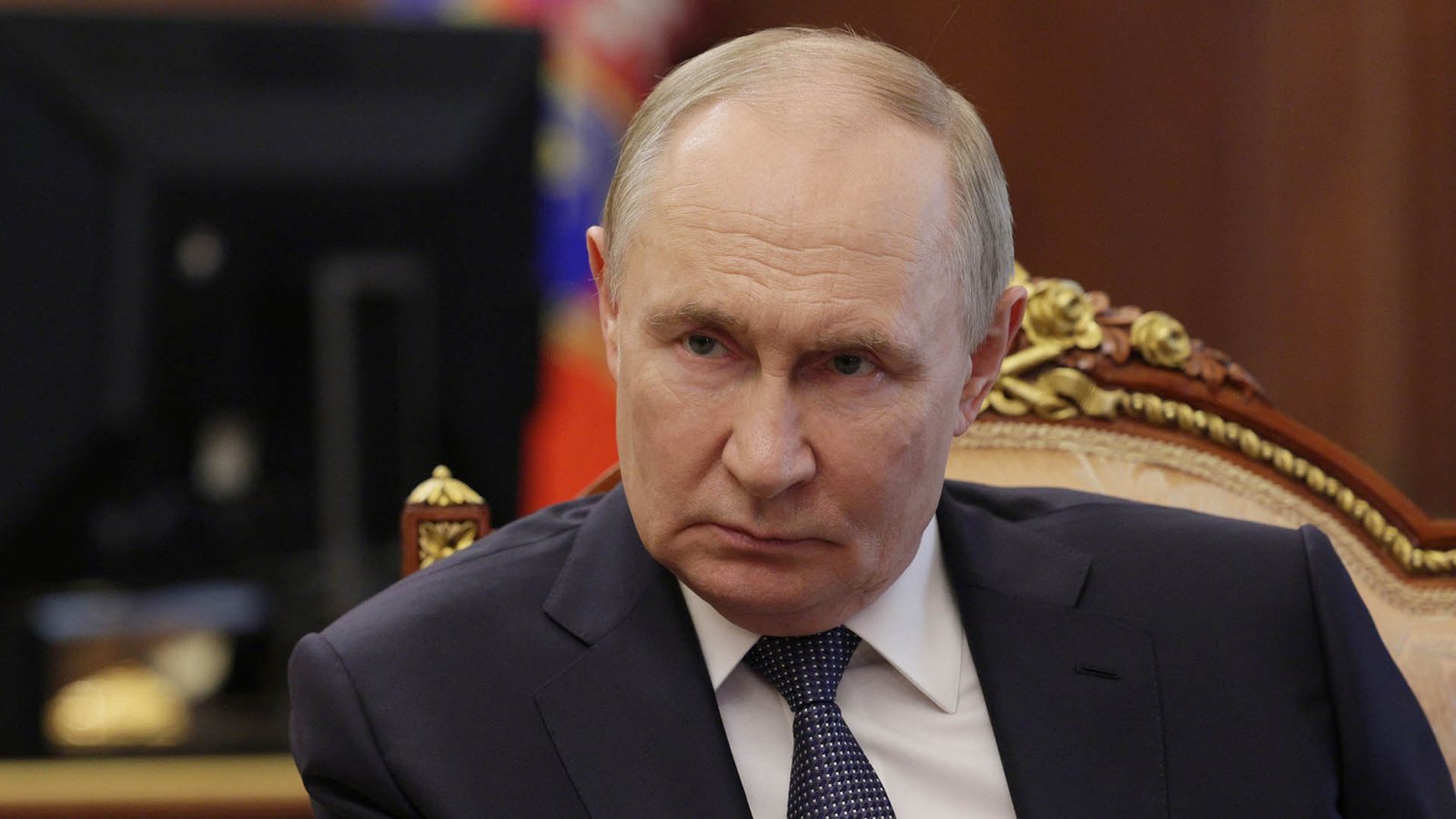
Russian President Vladimir Putin has accused Western powers of attempting to create divisions within the Muslim world during the holy month of Ramadan, a period traditionally associated with unity, reflection and spiritual devotion for Muslims across the globe.
Speaking in remarks that have attracted international attention, Putin suggested that policies and actions by the United States and Israel risk undermining stability in regions where Muslim communities form the majority. According to the Russian leader, the timing of such tensions during Ramadan raises serious concerns about respect for religious sensitivities and regional peace.
Ramadan is observed by millions of Muslims worldwide through fasting from dawn to sunset, prayer and acts of charity. The period is widely regarded as a time that encourages reconciliation, compassion and stronger bonds within communities. Against this backdrop, Putin argued that geopolitical conflicts and military confrontations risk deepening divisions rather than promoting dialogue.
Although the Russian president did not detail specific incidents in his remarks, analysts believe his comments refer to ongoing tensions and military developments in the Middle East, where rival political interests and security concerns have continued to shape international relations.
The statement also reflects Moscow’s broader diplomatic messaging in recent years. Russia has been working to expand its political and economic partnerships with countries across the Muslim world while presenting itself as a supporter of regional stability and cooperation. By emphasizing the importance of Muslim unity during Ramadan, the Kremlin appears to be reinforcing its narrative of engagement with Islamic nations.
Experts say the comments may serve both symbolic and strategic purposes. On one hand, they resonate with the cultural importance of Ramadan and the desire for peace during the sacred month. On the other hand, they highlight Russia’s ongoing effort to position itself as a counterbalance to Western influence in global affairs.
Also Read; Iran Rejects Surrender As Regional Strikes Intensify
The remarks come at a time of heightened geopolitical competition between major world powers, particularly in regions where conflicts, alliances and economic interests intersect. Russia has frequently used diplomatic statements and public messaging to strengthen ties with partners across Asia, Africa and the Middle East.
Observers note that Moscow’s relationship with Muslim-majority nations has grown steadily over the past decade through trade agreements, energy cooperation and political dialogue. Russia itself is home to a large Muslim population, and the government has often emphasized cultural connections with Islamic communities as part of its international outreach.
At the same time, tensions between Russia and the United States have remained high over a range of global issues, including security, regional conflicts and diplomatic influence. Statements such as Putin’s are often interpreted within this broader context of geopolitical rivalry.
While reactions to the remarks have varied among international observers, they underscore how religious, political and strategic factors frequently intersect in global diplomacy.