MWE Correspondent
More than three million people have returned to their homes in Sudan this year, marking a significant reduction in the country’s displaced population, the International Organization for Migration (IOM) reported.
The movement signals cautious hope for stability, though many returnees continue to face serious challenges.
According to IOM’s latest data, a total of 3,027,446 people have gone back to their places of origin across Sudan’s 18 states. This represents a 19% decrease in the number of internally displaced persons compared to earlier counts, as improved access and changing control over territory have allowed many families to move back.
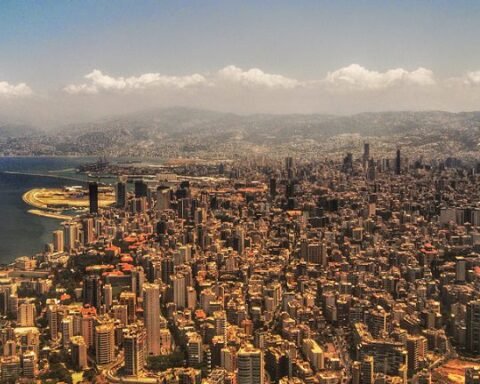
The majority of those returning—about 81%—came from displacement sites within Sudan, while the remainder had been living abroad. Khartoum, the capital, recorded the largest number of returnees, with more than 1.09 million people heading back, illustrating both the scale of the movement and the strong attachment residents feel to their homes.
The return of displaced people is occurring against the backdrop of the ongoing Sudanese civil war, which erupted in April 2023 between the Sudanese Armed Forces and the Rapid Support Forces. The conflict triggered one of the largest displacement crises in the world, forcing millions to flee both within Sudan and to neighbouring countries.
While the trend of returns offers a glimmer of optimism, IOM officials emphasize that many families are moving back out of necessity rather than security or improved living conditions. Limited resources, lack of employment, and insufficient support in camps have compelled people to return despite fragile conditions.
Also Read; Tanzania Included in New U.S. Travel Restrictions
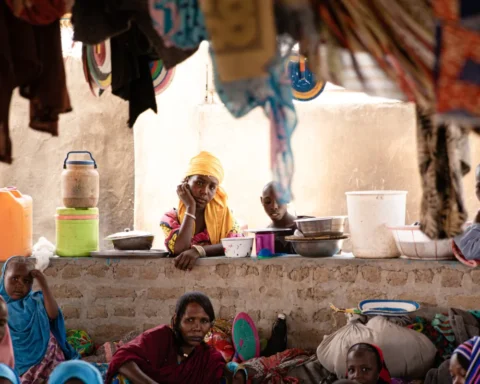
The humanitarian situation remains dire. Many returnees and displaced households continue to face food insecurity, limited access to healthcare, and poor sanitation. Damaged homes, destroyed infrastructure, and inadequate public services make rebuilding lives difficult, and many communities remain vulnerable to renewed displacement if the situation worsens.
Since the conflict began, over 4.3 million people have fled Sudan to neighbouring countries, though cross-border movement has slowed due to tightened entry restrictions and challenging economic conditions for refugees.
Experts highlight that while the return of displaced populations is a positive sign, it does not equate to full recovery. Long-term stability in Sudan will depend not only on improved security but also on regional cooperation, inclusive governance, and investment in essential services such as education, healthcare, and infrastructure.
The evolving patterns of displacement and return underscore the urgent need for sustained humanitarian support, robust local governance, and continued monitoring of the crisis.