MWE Correspondent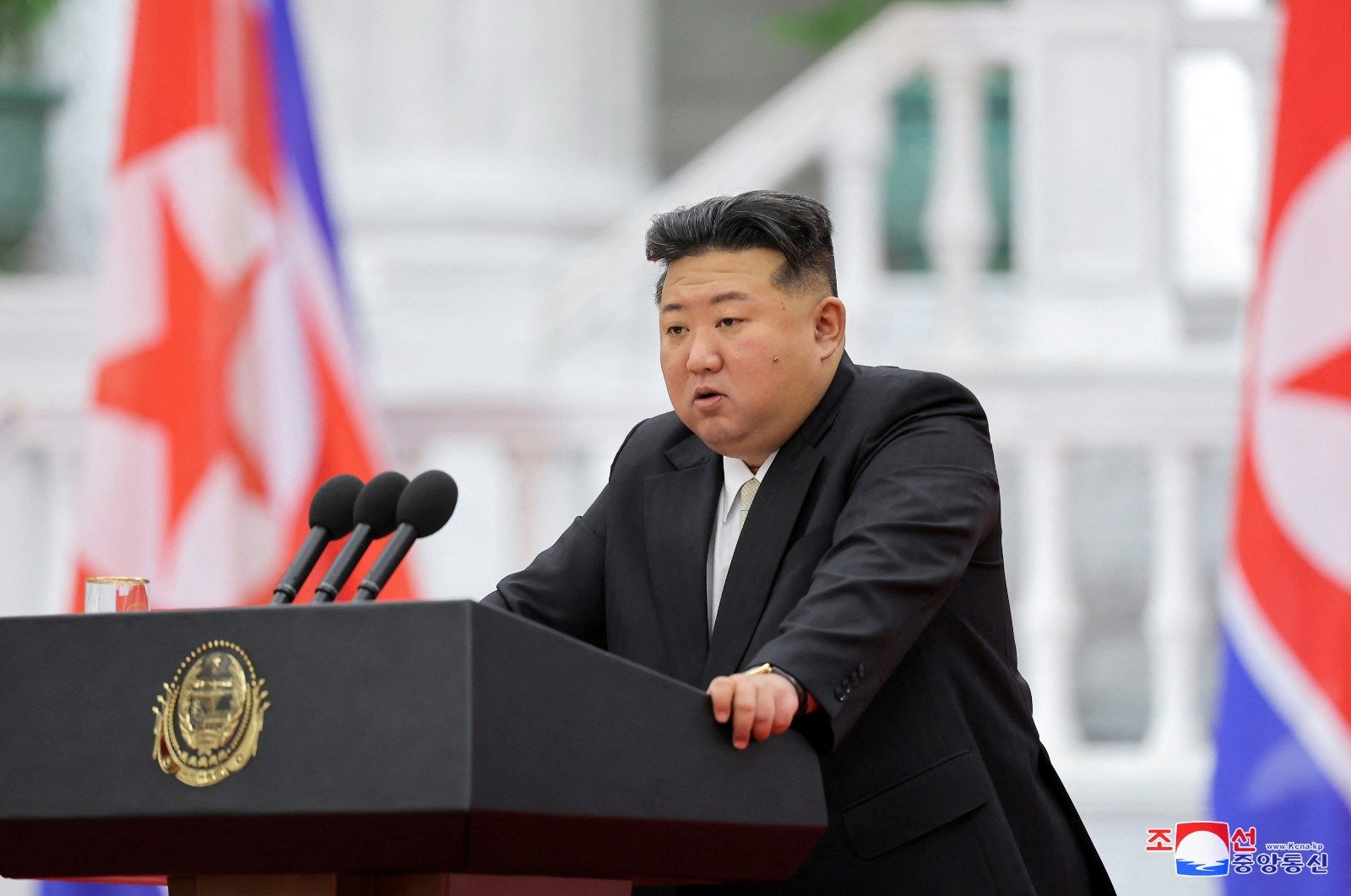
North Korean leader Kim Jong Un has signaled that his government is ready to unveil the next phase of its nuclear weapons program, a move likely to heighten tensions across East Asia and draw renewed scrutiny from the international community.
Speaking to senior party officials, Kim said the country’s future plans to strengthen its nuclear arsenal would be formally announced during the upcoming congress of the ruling Workers’ Party, expected to take place in the coming weeks. Such meetings are rare but highly significant in North Korea’s political system, often setting the tone for national policy for years to come.
The announcement suggests Pyongyang is preparing to further expand what it describes as its strategic deterrent — a phrase the government uses to justify its nuclear and missile development. While no technical details have been released, analysts believe the plans could involve producing additional nuclear warheads, improving missile range and accuracy, or deploying new delivery systems designed to bypass missile defenses.
North Korea, officially known as the Democratic People’s Republic of Korea, has pursued nuclear weapons in defiance of international sanctions for decades. The leadership argues that these weapons are essential for protecting the country from external threats, particularly from the United States and its allies in the region.
Since taking power in 2011, Kim Jong Un has overseen rapid advances in military technology, including multiple long-range missile tests that demonstrated the potential ability to strike targets far beyond the Korean Peninsula. These developments have dramatically shifted regional security calculations.
Military experts warn that a formal declaration of nuclear expansion could trigger stronger responses from South Korea, Japan, and Western nations. Past weapons tests have already led to tighter economic sanctions and emergency diplomatic talks at the United Nations, yet they have failed to slow Pyongyang’s progress.
Also Read; President Samia Declares Climate Change a Present Global Crisis
The broader issue of nuclear weapons remains one of the world’s most sensitive security challenges. Any increase in North Korea’s nuclear capacity raises fears of escalation, miscalculation, and an arms race in the region.
In recent months, North Korea has stepped up missile launches, some reportedly simulating nuclear strike scenarios. These demonstrations appear aimed at reinforcing the country’s military credibility while pressuring rivals to acknowledge its status as a nuclear power.
The upcoming party congress is expected to address economic struggles as well, but defense policy will likely dominate the agenda. With diplomatic talks stalled and trust low, observers see little chance of immediate negotiations over denuclearization.
For neighboring countries, the news has revived familiar anxieties. Air raid drills, defense spending increases, and closer military cooperation among U.S. allies reflect growing concern about Pyongyang’s long-term intentions.
Beyond the strategic language and political posturing lies a deeply rooted sense of insecurity that continues to shape North Korea’s choices. For Kim Jong Un, nuclear weapons represent survival, leverage, and national pride. For the wider world, they represent an ever-growing risk.
As the ruling party congress approaches, the global community waits for clearer signals about how far Pyongyang intends to go. Whether this next chapter brings heightened confrontation or renewed diplomatic efforts remains uncertain — but the stakes could not be higher.
If you’d like, I can next add reactions from South Korea, the United States, China, or the UN to make it even more newspaper-ready.