MWE Correspondent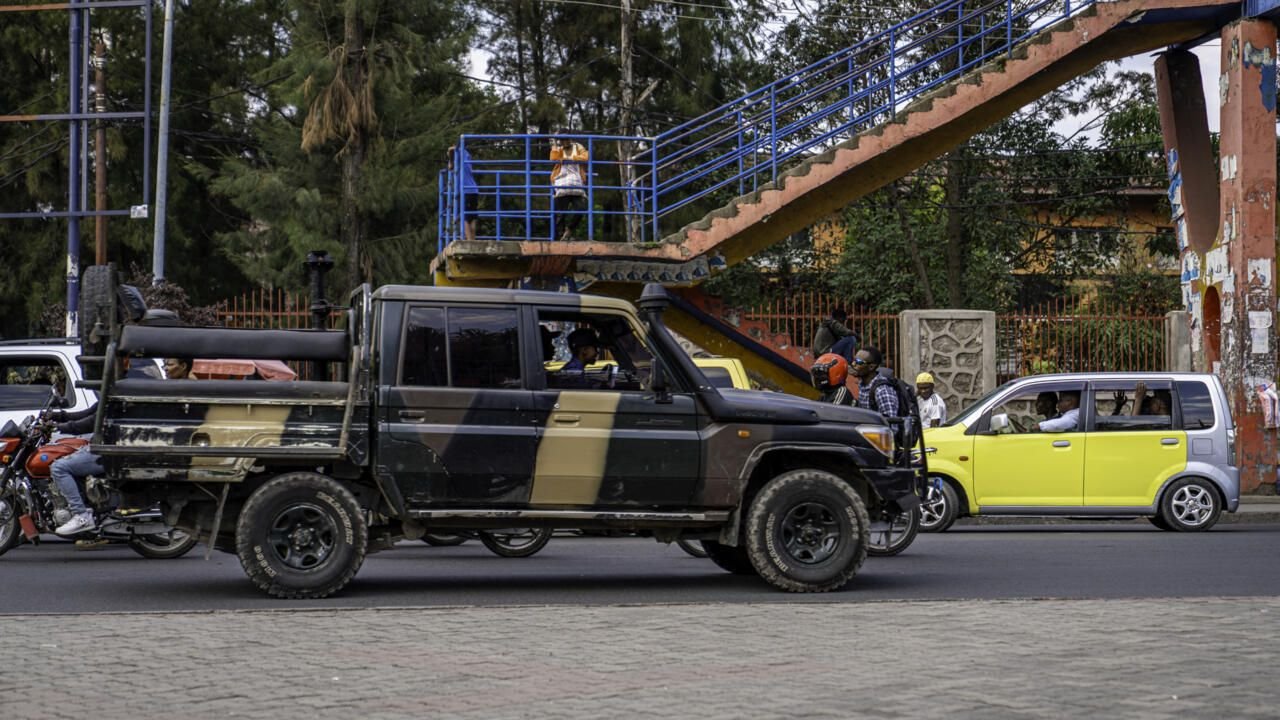
One year after armed fighters from the M23 movement seized the strategic lakeside city of Goma in eastern Democratic Republic of Congo, residents say daily life has become more difficult, uncertain, and painful than ever before.
Once a vibrant commercial hub near the Rwandan border, Goma is now a city struggling to survive under tight rebel control. Families speak of lost loved ones, shattered livelihoods, and the constant fear that comes with living in a conflict zone where stability feels increasingly out of reach.
The takeover of Goma — a key city in the eastern region of the Democratic Republic of the Congo — marked a turning point in the long-running conflict that has displaced millions and drawn international concern. Since then, residents say economic life has slowed dramatically, with banks remaining closed and formal financial services virtually nonexistent.
Without access to banking, many people now rely on informal money transfers and mobile transactions that come with high fees. Small traders struggle to restock goods, workers cannot access savings, and families are often forced to survive day by day.
“Everything has changed,” said one resident who asked not to be named for security reasons. “Before, you could work, save money, plan for your children’s school. Now you just think about how to eat today.”
Markets continue to operate, but purchasing power is low. Vendors report fewer customers and rising prices for basic food items. Education has also suffered, with many parents unable to pay school fees, leaving thousands of children out of classrooms.
Beyond the economic strain, the emotional toll is heavy. Several residents shared stories of relatives killed or displaced during the fighting that followed the rebel advance. Others described being forced to flee their neighborhoods, starting life again in unfamiliar towns or overcrowded camps.
The M23 group has long been linked to instability in eastern Congo, with authorities in Kinshasa repeatedly accusing neighboring Rwanda of backing the fighters — allegations Kigali has denied. The rebel movement itself has been a major actor in the broader M23 rebellion, which has flared up periodically over the past decade.
Also Read; President Samia Declares Climate Change a Present Global Crisis
Humanitarian groups warn that conditions in and around Goma remain fragile, with food insecurity, unemployment, and trauma continuing to rise. While some residents have adapted to the new reality, many say the city no longer feels like home.
“People are leaving whenever they can,” another resident said. “Those who stay do so because they have nowhere else to go.”
The situation in Goma reflects the wider crisis across eastern Congo, a region rich in natural resources but plagued by armed groups competing for power and control. Experts say lasting peace will require political solutions, regional cooperation, and stronger protection for civilians.
International observers have repeatedly called for dialogue and accountability, stressing the need to address the root causes of conflict that have haunted the area for decades.
As the anniversary of the takeover passes quietly, there are few signs of improvement for ordinary citizens. For many, survival has become the main goal, replacing dreams of progress and stability.
Goma’s story is now one of endurance — of families adapting to hardship, communities holding on through uncertainty, and a city caught in the middle of a conflict that shows little sign of ending.
The future remains unclear, but one thing is certain: life under rebel rule has left deep scars that will take years to heal, even if peace eventually returns to this troubled part of Central Africa.