MWE Correspondent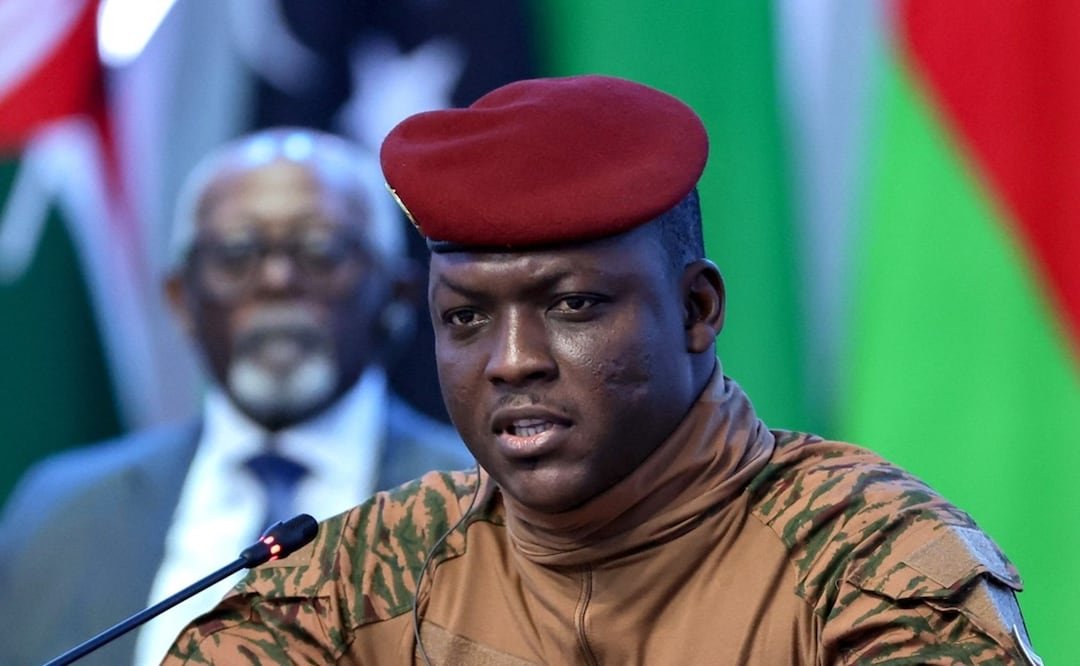
In the early hours of the morning, around 1:00 a.m. local time, residents of Burkina Faso’s capital were jolted awake by reports of unusual military movements and rising tension near key state institutions.
According to multiple accounts circulating locally, groups of civilians rushed toward the presidential complex amid claims that elements within the security forces had attempted to remove Captain Ibrahim Traoré from power.
The sudden mobilization underscored the fragile political climate in Burkina Faso, a country that has experienced repeated military takeovers and deep uncertainty over the past decade. While official statements were limited in the immediate aftermath, witnesses described a charged atmosphere, with people gathering spontaneously in what they said was an effort to protect the current leadership and prevent another abrupt change of government.
Captain Ibrahim Traoré, who rose to power through a military transition, has cultivated a strong image among segments of the population as a leader standing against external influence and internal elite rivalries. This perception, analysts say, helps explain why ordinary citizens would be willing to leave their homes in the middle of the night in response to rumors of an attempted overthrow.
Also Read;U.S. Claims Maduro Capture After Venezuela
The reports have not been independently verified, and no comprehensive official account has yet been released. However, the speed at which the rumors spread, and the public reaction that followed, highlight the level of mistrust and anxiety that continues to shape political life in the Sahel region. In countries marked by repeated coups, even unconfirmed signals of instability can trigger immediate and emotional responses.
The situation has also revived broader conversations about foreign influence and sovereignty in Africa. Commentators online and in local discussions have argued that, had a powerful external actor intended to detain the Burkinabè leader, it could have been done swiftly and discreetly, without public awareness until much later. Such arguments, while speculative, reflect long-standing suspicions rooted in Africa’s historical experiences with external intervention and covert operations.
At the same time, regional experts caution against drawing premature conclusions. West Africa has seen a surge in politically charged misinformation during periods of uncertainty, often amplifying fear and anger before facts are fully established. In this context, the absence of clear communication from authorities can allow speculation to fill the gap, sometimes escalating tensions unnecessarily.
What remains clear is that Burkina Faso continues to sit at the crossroads of security challenges, political transition, and popular expectation. The country faces ongoing threats from armed groups, economic strain, and the pressure of redefining its international partnerships. Any perceived attempt to destabilize the leadership, whether real or rumored, resonates deeply with a population already accustomed to abrupt political shifts.
As this developing story unfolds, attention will focus on whether authorities provide a detailed account of the night’s events and whether calm can be fully restored. The episode serves as a reminder that in nations shaped by repeated military coups, the line between rumor and reality can blur quickly, and public trust becomes both a powerful shield and a potential flashpoint.