MWE Correspondent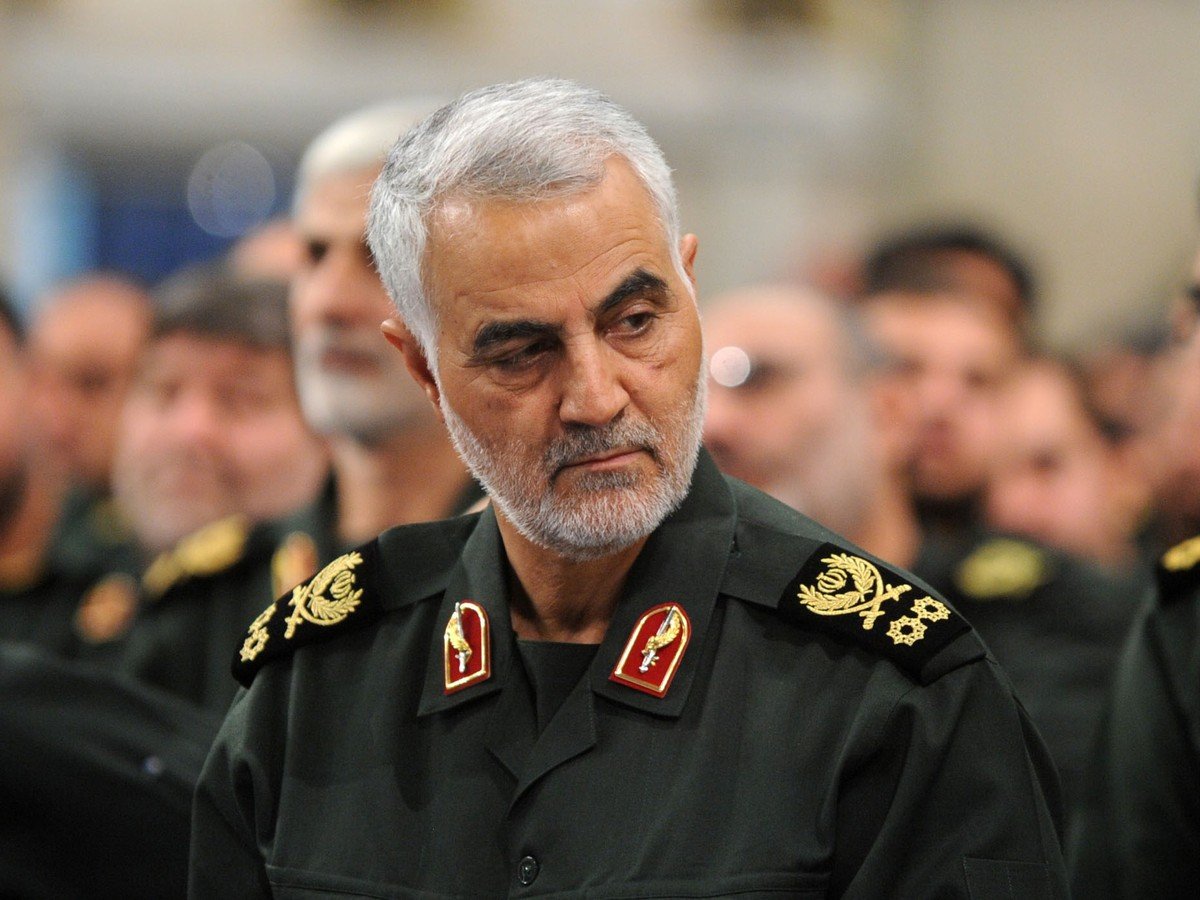
Iran is facing a critical military and political crisis following reports that General Sayyid Abdolrahim Mousavi, the former Chief of Staff of the Armed Forces, was killed in a series of coordinated attacks targeting senior officials and key government offices.
Mousavi, one of the country’s most senior military figures, had long been instrumental in shaping Iran’s defense strategy and overseeing operations that extended across the region.
The attacks, which struck at the heart of Tehran’s military leadership, have left the nation in a state of heightened alert. Iranian authorities are still assessing the full scope of casualties and are closely monitoring the situation to maintain stability within the armed forces. The sudden loss of a high-ranking officer has sparked uncertainty about succession and the chain of command, raising concerns over Iran’s immediate operational readiness.
Mousavi’s influence extended deeply into the Islamic Revolutionary Guard Corps (IRGC), the elite military organization that not only safeguards Iran’s domestic security but also executes strategic operations abroad. Under his leadership, the IRGC maintained a commanding presence in regional affairs and forged strong alliances with groups such as Hezbollah in Lebanon. Analysts suggest that the loss of a figure of Mousavi’s stature could disrupt both internal military coordination and Iran’s ability to project influence in the Middle East.
The strike comes amid heightened tensions between Iran and Western powers, particularly the United States, over Iran’s nuclear program, missile capabilities, and broader regional policies. Experts note that such a high-profile attack not only destabilizes Tehran internally but may also embolden opposition groups and trigger further regional escalation.
The international community is closely watching developments in Iran, where the vacuum left by Mousavi’s death has created uncertainty about future military decisions and potential retaliatory actions. The unprecedented nature of the attacks emphasizes how vulnerable even the most senior leadership positions can be in times of crisis.
This incident marks a turning point for Iran’s military hierarchy, highlighting vulnerabilities in command structures that have long been considered stable. The coming days will be critical in determining how Iran reorganizes its leadership, maintains internal cohesion, and responds to growing external pressures.