MWE Correspondent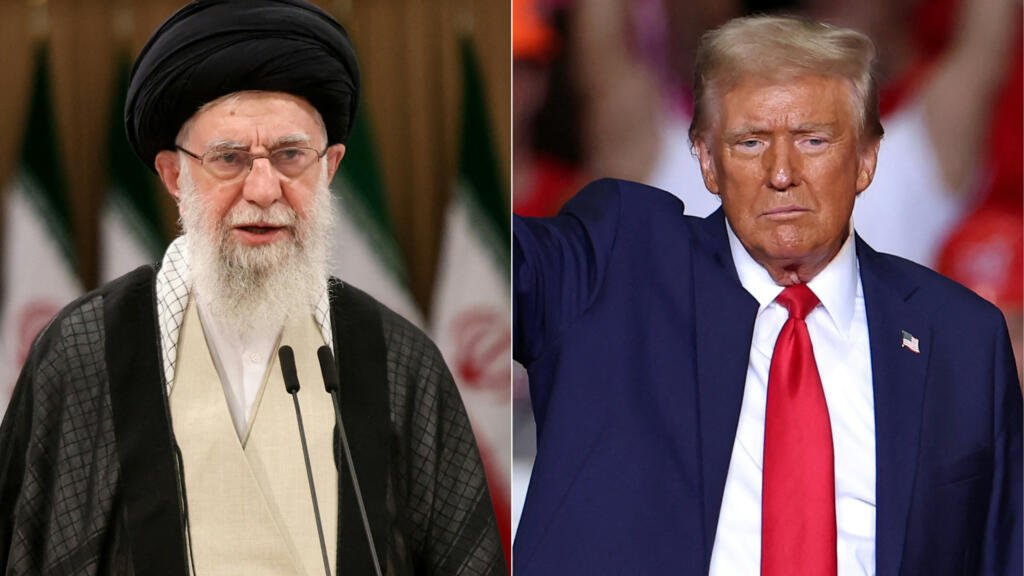
Iran has issued a strong warning to the United States, saying it will respond directly to any military attack by targeting American bases in the Middle East, as tensions rise over Tehran’s nuclear programme and fragile diplomatic efforts continue behind closed doors.
The warning came from Abbas Araghchi, the Foreign Minister of Iran, during an interview broadcast on American television on Sunday. His remarks highlighted the delicate balance between confrontation and diplomacy that has defined relations between the two countries for years.
Araghchi made it clear that Iran does not seek war but would not hesitate to defend itself if attacked. He explained that while Iran’s military capabilities may not allow it to strike the U.S. mainland directly, American military installations across the Middle East would be within reach.
His comments echoed past incidents, including missile strikes linked to regional tensions, and underscored the ongoing strategic rivalry. The Middle East hosts several key American military facilities that play a central role in regional security and global energy stability, as explained in this overview of United States military deployments.
Despite the strong military warning, Araghchi also signaled cautious optimism about diplomacy. He confirmed that preparations were underway for a new round of talks expected to take place in Geneva, a city long associated with international peace negotiations and diplomatic agreements.
“I believe there is still a real opportunity to reach a diplomatic solution,” he said. “We are working toward an agreement that can benefit both sides.”
The talks are expected to focus heavily on Iran’s nuclear activities, particularly its continued uranium enrichment programme, which has been a source of international concern for nearly two decades.
Iran insists its nuclear programme is intended solely for peaceful purposes, including energy production and scientific research. Iranian officials argue that, as a sovereign nation, they have the legal right to develop civilian nuclear technology under international law.
Also Read; ICC Reform Debate Gains Global Momentum
However, the United States and its allies remain skeptical, fearing that enriched uranium could eventually be used to produce nuclear weapons. These concerns led to years of sanctions, negotiations, and agreements, including the landmark 2015 nuclear deal, formally known as the Joint Comprehensive Plan of Action, details of which can be found in this international nuclear agreement summary.
Relations deteriorated sharply after the U.S. withdrew from the agreement in 2018, triggering a cycle of sanctions and escalating tensions that continues to shape global diplomacy today.
Analysts say the upcoming Geneva talks could represent a critical moment. A successful agreement could reduce tensions, stabilize the region, and ease economic pressure on Iran. Failure, however, could deepen mistrust and increase the risk of military confrontation.