Joseph Isangura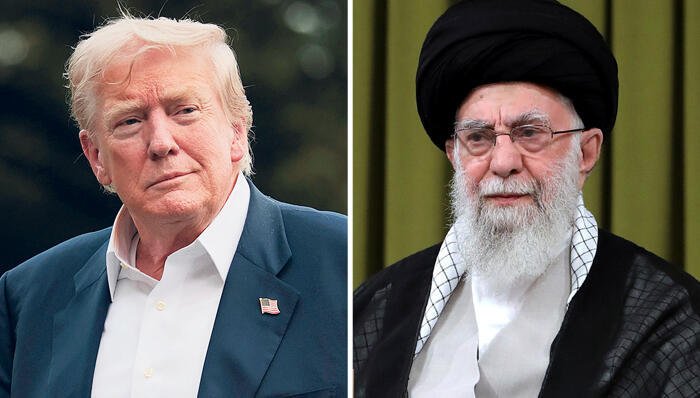
The ongoing conflict involving Donald Trump and the government of Iran is rapidly evolving from a military confrontation into a complex political challenge that could shape the future of American leadership.
What began as a coordinated military campaign alongside Israel has triggered economic uncertainty across global markets and growing political tension within the United States. As the conflict stretches into its second week, analysts say the war’s consequences could reach far beyond the battlefield.
Military strikes have targeted several strategic locations linked to Iran’s energy infrastructure and military installations. Among them is the oil export hub on Kharg Island, a critical facility responsible for the majority of Iran’s crude shipments. The strikes were part of a broader effort aimed at weakening Iran’s strategic capacity while preventing it from expanding its military capabilities.
However, the operation has also intensified instability in one of the world’s most important energy corridors, the Strait of Hormuz. Nearly one-fifth of the world’s oil supply normally passes through this narrow waterway, making it a critical artery for global energy trade. Disruptions there have already sent shockwaves through international markets.
Global oil prices surged past $100 per barrel in the early days of the conflict before fluctuating as political signals from Washington shifted. The volatility has reflected uncertainty about how long the war will continue and whether shipping routes in the Persian Gulf will remain secure.
For American households, the impact has been immediate. Rising fuel costs have sparked renewed concerns about inflation and the cost of living. Energy analysts warn that prolonged disruption in the Middle East could push global inflation higher and strain fragile economic recoveries around the world.
Political observers say these economic pressures are beginning to reshape the domestic debate in Washington. Public opinion surveys suggest growing skepticism among voters regarding the military campaign, especially as fuel prices climb and economic uncertainty deepens.
Critics argue that the administration’s messaging has been inconsistent. On several occasions, the president suggested the conflict was nearing its end, only to indicate later that additional military operations could be necessary. This shifting narrative has created confusion among markets and voters alike.
At the same time, some officials have signaled that further strikes may be prepared if Iranian forces continue targeting maritime traffic in the Persian Gulf. Such warnings have heightened fears of a prolonged confrontation that could draw additional regional actors into the conflict.
The timing of the crisis is politically sensitive. The United States is approaching critical mid-term elections that will determine control of Congress. Historically, economic conditions—particularly fuel prices—have had a strong influence on voter sentiment.
Political strategists note that voters often prioritize domestic economic stability over foreign policy victories. If the war continues to drive up energy prices and inflation, it could weaken public support for the administration’s broader agenda.
Beyond the United States, the conflict is also raising concerns among governments across Europe and Asia. Several countries have already begun preparing emergency energy measures to cushion potential fuel shortages, underscoring the global stakes of the crisis.
Despite these pressures, officials insist the military campaign is aimed at ensuring long-term security and preventing further escalation in the region. Yet analysts warn that wars are rarely measured solely by battlefield success. Their ultimate cost is often calculated through economic disruption, geopolitical instability, and political consequences at home.