MWE Correspondent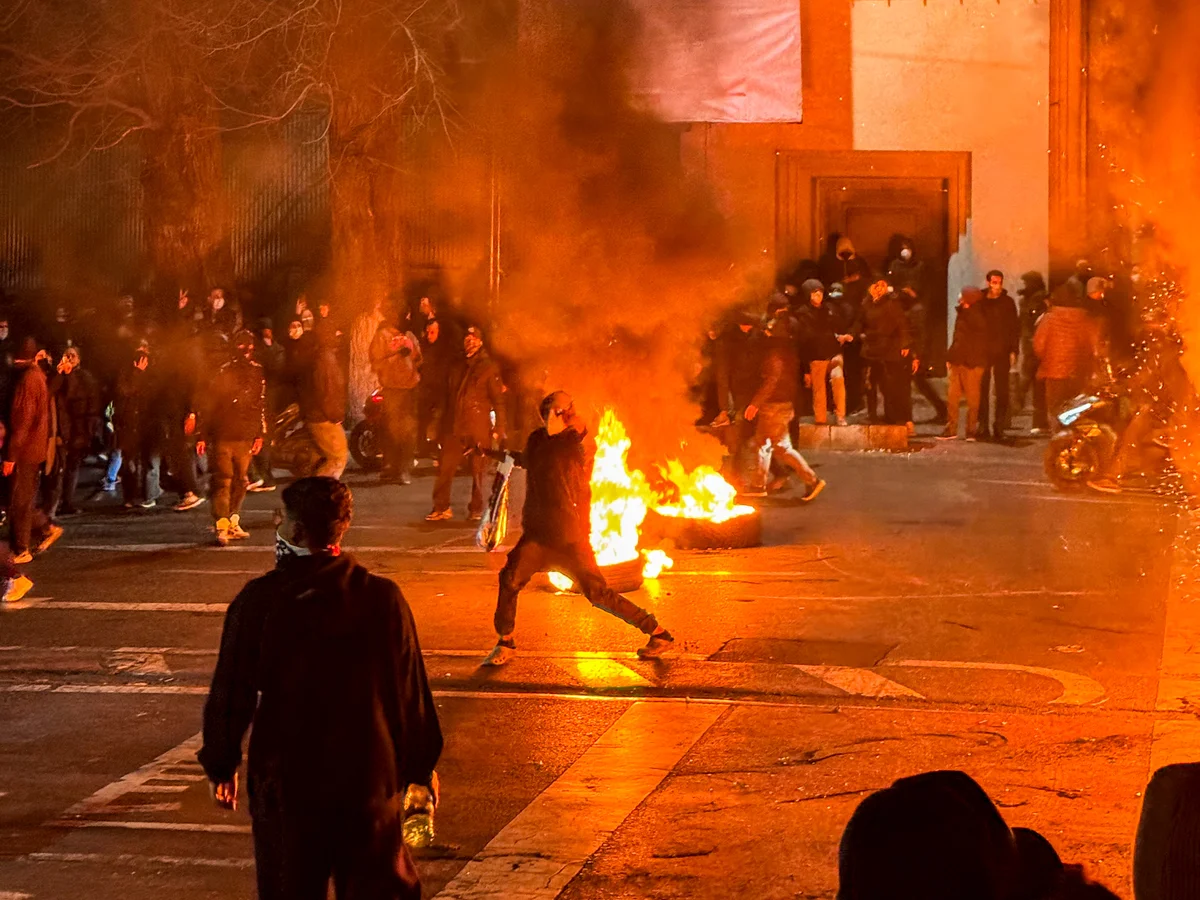
Violent clashes linked to widespread protests in Iran have resulted in an estimated 500 deaths, according to a U.S.‑based human rights organisation, as tensions rise between Tehran and Washington over the handling of dissent and threats of foreign military involvement.
The Iranian government has maintained a firm stance against what it calls destabilizing forces, even as the United Nations has expressed alarm at reports of casualties and large‑scale detentions.
The latest wave of demonstrations, some of the largest since 2022, has been driven by public frustration over economic hardship, political discontent, and broader grievances with governance. Security forces have responded forcefully in many areas, resulting in deadly confrontations with demonstrators. In a recent briefing, representatives from the United Nations said reports of killings, injuries, and mass arrests were deeply troubling and called for restraint from all sides. For more on international responses to human rights concerns,
Amid the escalating situation, Iranian authorities have issued statements warning that they could target U.S. military bases if the United States initiates an attack, highlighting how domestic strife is intersecting with broader geopolitical rivalries. These warnings come as U.S. officials, including President Donald Trump, have suggested that a forceful response might be considered if Tehran’s suppression of protests continues. The rhetoric has raised fears of further escalation beyond Iran’s borders and drawn scrutiny from global diplomatic actors. For background on U.S.–Iran tensions,
In response to the unrest, Iranian President Masoud Pezeshkan has urged his supporters to reject violence and called for calm, even as scenes of confrontation persist in major cities. The president’s appeal reflects an effort to temper the situation domestically while balancing pressure from hardliners who advocate a more aggressive posture against perceived foreign interference. Analysts say Pezeshkan’s position highlights the internal divisions within Iran’s leadership on how best to manage both public dissent and growing international scrutiny.
Also Read; Barrick Excels In Providing Job Opportunities For Local Employees
The United Nations reports that more than 10,000 people have been detained in connection with the protests, a figure that includes activists, students, and ordinary citizens who took to the streets to voice their grievances. Human rights organisations have expressed concern about alleged abuses in detention, including reports of mistreatment and restricted access to legal counsel. These accounts have intensified calls for independent investigations and greater transparency.
Observers say the protest movement represents one of the most significant challenges to the Iranian government in recent years, combining economic discontent with broader demands for political change. The violence has deepened public frustration and strained the capacity of security forces to maintain control without drawing international condemnation. Many analysts note that while protests initially began over specific economic triggers, they have evolved to encompass more systemic calls for change among large segments of Iranian society.
International reactions have been mixed. Several Western governments have criticised Tehran’s use of force against demonstrators and urged restraint, while others have emphasised the need for dialogue and peaceful resolution. At the same time, Iranian leaders have accused foreign powers of exploiting unrest to undermine national sovereignty, a narrative that has resonated with some regional allies.
The coming weeks are expected to be critical in determining whether dialogue can bridge the divide between protesters and authorities or if continued repression will further deepen divisions and draw in external actors.