MWE Correspondent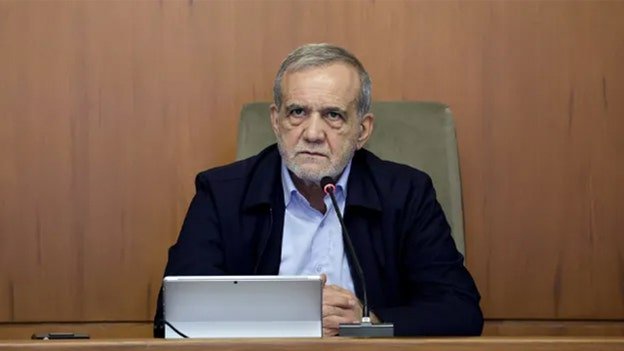
Iran’s president has declared that the country will never surrender, even as military tensions in the Middle East continue to rise following a series of strikes and counter-strikes involving Iran and Israel.
Speaking during a televised address, Masoud Pezeshkian, the president of Iran, said his country would not bow to external pressure or accept demands for unconditional surrender. His remarks came as Iranian forces and Israel continued exchanging missile and drone attacks, raising concerns that the conflict could spread further across the region.
The Iranian leader stressed that the country would defend itself if threatened, adding that calls for surrender would not weaken Iran’s resolve. His comments were delivered as reports emerged of fresh strikes targeting military positions and infrastructure linked to the ongoing confrontation.
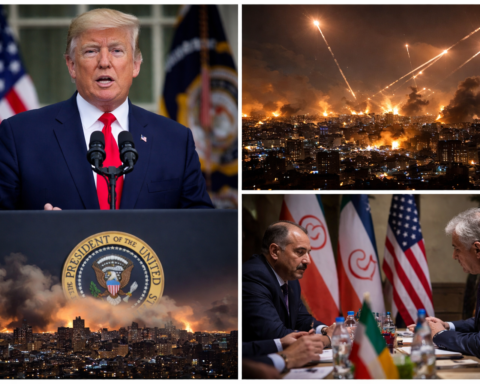
Over the past several days, both sides have carried out retaliatory operations. Israeli forces have reportedly launched airstrikes aimed at Iranian military installations, while Iran has responded with missile and drone launches directed at Israeli targets and other strategic sites linked to its adversaries.
Some of Iran’s retaliatory actions have also involved firing projectiles toward locations in the Gulf region where foreign military assets are stationed. These developments have raised concerns among neighboring countries about the possibility of a broader conflict affecting regional stability.
Despite the escalation, Iranian officials indicated that their actions were intended as defensive measures. Authorities in Tehran stated that Iran does not seek to expand the conflict beyond those directly involved, but warned that the country would respond firmly to any attack on its territory or interests.
Security analysts say the exchange of strikes marks one of the most serious confrontations between Iran and Israel in recent years. Both nations have long viewed each other as strategic rivals, with tensions often playing out through indirect conflicts and military operations across the Middle East.
The current escalation has prompted concern from international observers and diplomatic actors who fear that continued retaliation could trigger a wider regional crisis. Several governments have urged restraint and called for dialogue in an effort to prevent further escalation.
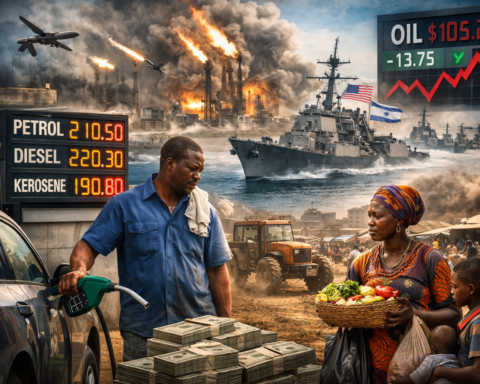
In addition to the military dimension, the confrontation has drawn global attention because of its potential impact on regional security and international energy markets. The Middle East remains a key hub for global oil and shipping routes, meaning prolonged instability could have economic consequences beyond the region.
While diplomatic efforts to calm the situation are ongoing, the tone of recent statements from leaders on both sides suggests that tensions remain high. Iran’s leadership has reiterated that it will continue defending the country’s sovereignty, while Israel has signaled that it will maintain pressure against what it views as security threats.