MWE Correspondent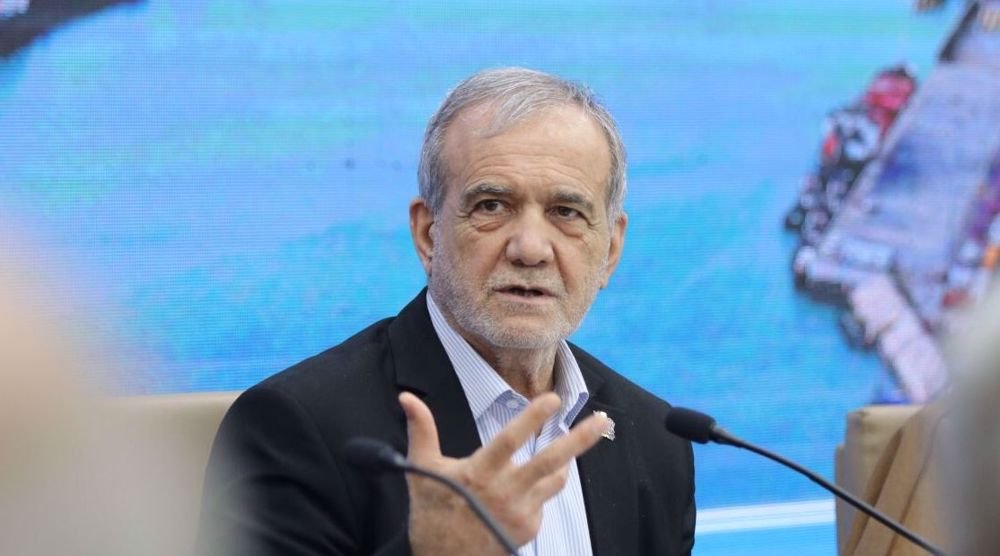
Iran’s president, Masoud Pezeshkian, has strongly reaffirmed that his country will not develop nuclear weapons, pointing to a religious ruling by Supreme Leader Ali Khamenei that explicitly forbids them.
His comments come at a delicate time, as Tehran prepares for another round of sensitive nuclear discussions with the United States.
Speaking ahead of the upcoming negotiations, Pezeshkian said Iran’s position is not merely political but rooted in religious conviction. He stressed that the Supreme Leader’s fatwa, or Islamic decree, banning nuclear weapons remains in force and should be taken seriously by the international community.
“When he says we will not have nuclear weapons, it means exactly that,” Pezeshkian said. He added that religious leadership carries moral weight, suggesting such declarations are not made lightly or for political convenience.
The fatwa was originally issued more than two decades ago, at a time when Iran’s nuclear program was drawing growing global attention. Since then, Iranian officials have consistently used the ruling to argue that their nuclear activities are peaceful and focused on civilian needs such as electricity generation, medical applications, and scientific research.
Despite these assurances, suspicion has persisted in Washington and other Western capitals. The United States and its allies have long questioned whether Iran’s nuclear program could eventually be used to produce weapons, an accusation Tehran has repeatedly denied. This mistrust has fueled years of economic sanctions, diplomatic standoffs, and complex negotiations.
Also Read; Tz, Issues Public Alert: Rising Cases of Influenza and Dengue
Pezeshkian’s latest remarks appear aimed at rebuilding some level of confidence while also reinforcing Iran’s domestic narrative. Analysts say his message is designed to remind the world that Iran’s nuclear policy is shaped not only by strategic interests but also by religious principles that its leadership claims are non-negotiable.
Iran’s political system gives its Supreme Leader ultimate authority, meaning Khamenei’s religious rulings have direct influence over national policy. This unique structure allows Tehran to present its nuclear stance as both a matter of faith and state.
The renewed talks between Iran and the United States are widely seen as a critical opportunity to reduce tensions that have simmered for years. The outcome could affect not only the two countries but also the broader Middle East and global security.
For now, Iran’s leadership is standing firm on its message: that its nuclear ambitions will remain peaceful, and that its religious decree against nuclear weapons is final. Whether that assurance will be enough to convince skeptical global powers remains one of the central questions facing the next round of diplomacy.