MWE Correspondent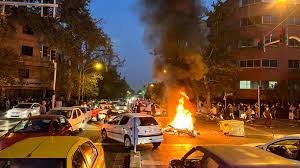
Iranian President Masoud Pezeshkian has sharply criticized the United States, Israel and several European nations, accusing them of exploiting Iran’s economic hardship to stir protests and destabilize the country.
Speaking on state television on January 31, 2026, Pezeshkian said foreign governments had turned public frustration over rising prices and declining living standards into a political weapon aimed at dividing society and weakening the state.
According to the president, Western leaders seized on anger over inflation and unemployment to encourage demonstrations that began as peaceful expressions of economic distress but later escalated into broader unrest. He argued that external actors were not merely voicing support for protesters but were actively seeking to inflame tensions and push Iran toward chaos.
“They took advantage of our difficulties, encouraged people into the streets and tried to turn legitimate complaints into conflict and hatred,” Pezeshkian said, warning that the ultimate goal was to fracture the nation from within.
The protests, which erupted in late December, were initially driven by the soaring cost of basic goods, a weakening national currency and shrinking household incomes. Economists have long linked Iran’s fragile economy to a combination of domestic policy challenges and the impact of international sanctions on Iran, which have limited trade, investment and access to global financial systems. For many ordinary citizens, the pressure has become unbearable, fueling anger that quickly spilled onto the streets in cities across the country.
Pezeshkian singled out U.S. President Donald Trump and Israeli Prime Minister Benjamin Netanyahu, along with unnamed European leaders, accusing them of openly encouraging unrest and threatening further action against Tehran.
Also Read; Government Expands Support for People With Albinism Nationwide
Washington has continued to voice support for demonstrators while warning of consequences if violence escalates, even as it maintains demands that Iran make concessions on its nuclear and military programs as a condition for renewed talks.
Iranian officials, however, have rejected any link between domestic protests and international negotiations. The country’s foreign minister has insisted that issues related to national defense and nuclear capabilities are not up for discussion, portraying Western pressure as an attempt to exploit internal challenges for strategic gain.
Human rights organizations and international observers have reported a heavy-handed response by security forces, including mass arrests and the use of force to disperse crowds. Iranian authorities dispute many of these claims, arguing that foreign media outlets have exaggerated events to further inflame public opinion and justify external interference.
Behind the political confrontation lies a deeper economic struggle that has touched nearly every household. With food prices climbing, wages stagnating and job opportunities shrinking, frustration has continued to mount, particularly among young people who see few prospects for the future.