MWE Correspondent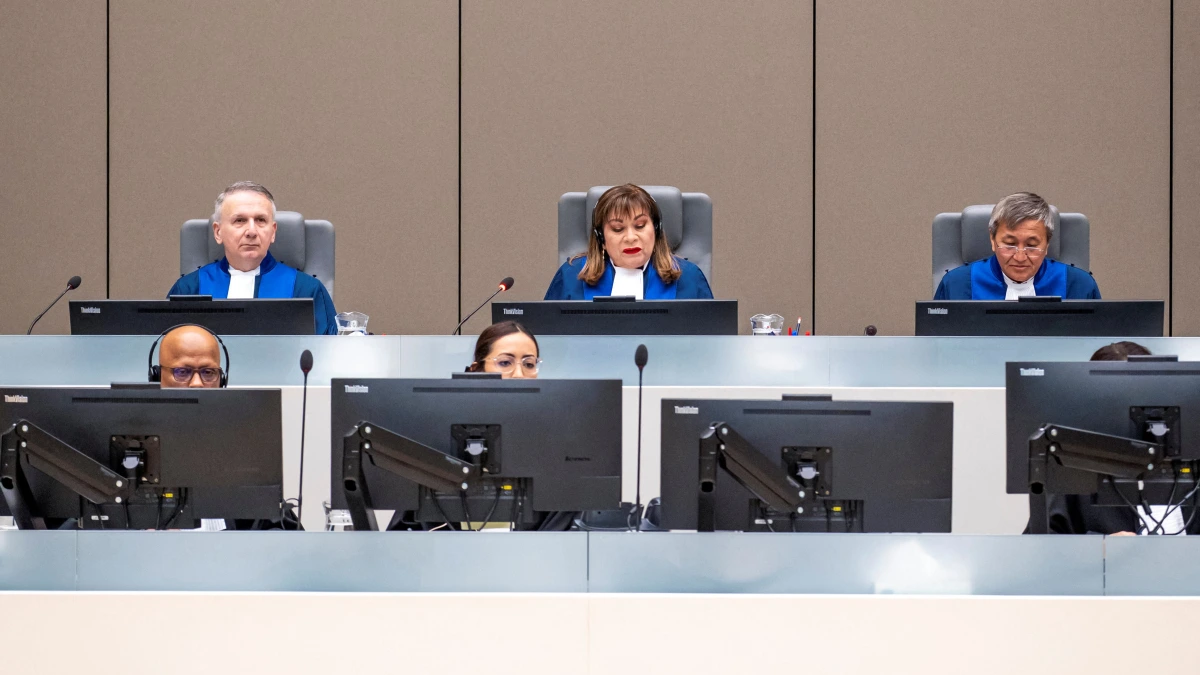
The International Criminal Court (ICC) is navigating a complex moment of institutional scrutiny as member states continue discussions over the future of its chief prosecutor, Karim Khan.
This episode highlights broader questions about the balance between accountability, legal standards and state sovereignty in international justice, especially as African and other member countries seek to ensure fairness, transparency and impartiality in global legal mechanisms.
Last week, representatives from the ICC’s member states voted to advance disciplinary proceedings against Chief Prosecutor Khan, following allegations of sexual assault reported by United Nations investigators. A core group of members — 15 voting in favour, two abstaining and four opposed — endorsed continuing the process, despite contrasting findings from a separate judicial review that had concluded the evidence did not meet the threshold necessary to establish misconduct “beyond a reasonable doubt.” Khan, who has taken leave of absence, has denied the allegations and maintains his innocence.
This decision marks a significant inflection point for the court, which relies on collective confidence from its 125 member states to exercise moral authority and legal legitimacy around the world. The disciplinary vote came as the ICC has simultaneously faced geopolitical pressures and debates about its role when dealing with cases involving high‑profile leaders, war crimes and controversial legal actions. The mix of internal contention and external skepticism has amplified calls for the institution to demonstrate both procedural rigor and respect for sovereignty.
Some African member states, referencing the panel of judges that cleared Khan of personal misconduct, had argued that the disciplinary proceedings should be dropped. They cited the judicial assessment as exoneration and raised concerns that continuing the process could undermine the independence of legal oversight and blur the lines between judicial findings and political decisions. Others, particularly some major financial supporters of the court, saw value in pursuing robust oversight and accountability even when judicial panels have differing interpretations of evidence.
Legal sovereignty is at the heart of this debate. Many African policymakers and legal scholars stress that international justice mechanisms like the ICC should function as complementary systems supporting domestic legal development while respecting national judicial prerogatives. In practice, this means that countries want the ICC to adhere strictly to transparency, due process, and clear standards of evidence so that member states trust its actions without feeling they have lost control over how justice is applied.
Also Read: Global Powers Race For Congo’s Strategic Minerals
The current disciplinary vote also reflects broader tensions within the institution over how leadership accountability should be balanced with the need to maintain operational effectiveness. Supporters of the continued proceedings argued that high standards of conduct for legal authorities help preserve the ICC’s credibility, especially in regions where trust in international institutions has fluctuated. Critics, however, worry that protracted internal battles can distract from the court’s main mission of addressing grave crimes such as war crimes, genocide and crimes against humanity.
For many African countries, the debate over the ICC’s leadership also intersects with ongoing discussions about legal reform and the strengthening of regional judicial bodies. Some analysts argue that a more collaborative model — where domestic courts and regional judicial mechanisms work in concert with international institutions — could alleviate concerns about bias and ensure stronger accountability at all levels.
Despite the internal controversy, the ICC remains a central pillar of international criminal justice. Its mandate, established by the Rome Statute, empowers it to investigate and prosecute serious crimes that transcend national boundaries. However, this moment has underscored that legal authority at the global level depends not only on legal texts but also on the confidence that member states — including African governments — place in the institution’s impartiality and governance processes.
In practical terms, what happens next with Chief Prosecutor Khan could influence how the ICC is seen by states navigating their own concerns about sovereignty, accountability and international law. If the court’s leadership is perceived to be both accountable and independent, it may enhance its ability to operate in diverse geopolitical contexts, including in Africa. If divisions deepen or are seen as influenced by political interests, it risks damaging its reputation among member states that value legal fairness and respect for domestic legal prerogatives.
The ongoing deliberations within the ICC also highlight a broader lesson for global justice: mechanisms designed to address the gravest crimes must themselves be seen as models of clarity, consistency and legal legitimacy. For African members seeking stronger international justice engagement, the current developments offer both a challenge and an opportunity to shape how accountability frameworks evolve in a way that respects sovereign legal systems and fosters greater trust among countries.