MWE Correspondent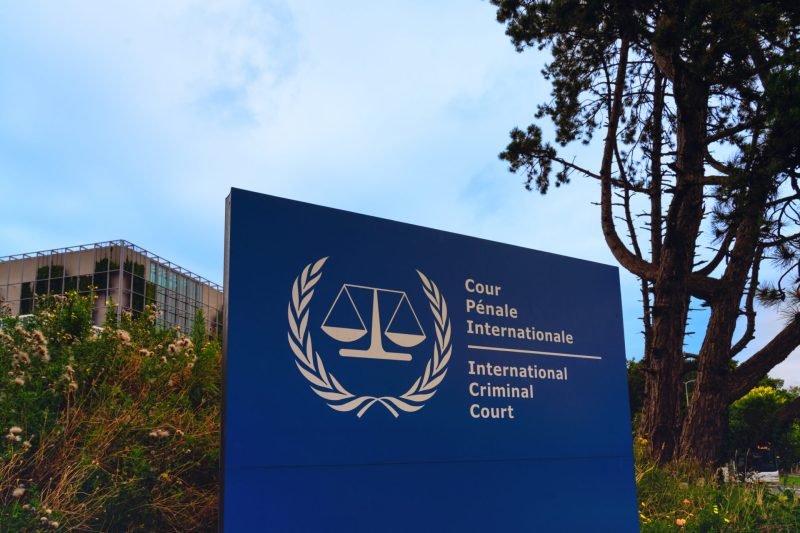
In a development drawing global attention, the International Criminal Court (ICC) is navigating complex internal and international scrutiny in 2026 as member states advance disciplinary proceedings against its chief prosecutor, Karim Khan.
The situation is unfolding amid broader questions about the court’s role, its legal standards, and how sovereign states interact with international judicial mechanisms.
On April 1, 2026, members of the ICC’s Assembly Bureau voted to proceed with disciplinary proceedings against Prosecutor Khan following allegations of sexual misconduct reported by investigators — a move confirmed by sources familiar with the matter and highlighted in multiple media reports. While some core members voted in favor of moving forward, others abstained or opposed the decision, underscoring the division within the court’s oversight structure.
Khan, who heads the ICC’s Office of the Prosecutor, temporarily stepped aside from his duties pending the inquiry. The allegations stem from a report by United Nations investigators that identified a “factual basis” for claims raised by a female aide, though a separate judicial review concluded that the evidence did not meet the stringent legal threshold required to prove misconduct “beyond a reasonable doubt.” Khan’s legal team has strongly denied any wrongdoing, emphasizing that the internal panel’s findings undermine the basis for removing him.
Also Read: Global Powers Race for Africa’s Critical Minerals”
Countries across the globe have reacted differently. A number of African member states, citing the judges’ findings that failed to establish misconduct, argued that the proceedings should end and the prosecutor should resume his mandate. Meanwhile, others — including some of the ICC’s largest financial supporters — voted to continue the disciplinary process, reflecting contrasting perceptions of accountability, transparency and political influence within the institution.
The situation arises at a critical moment for the ICC, which continues to pursue high-profile investigations and warrants for serious international crimes. Supporters of the court have emphasized the importance of legal cooperation among states parties to ensure effective accountability for crimes such as genocide, war crimes and crimes against humanity. A recent resolution by the International Bar Association underscored the need for full cooperation with the ICC, arguing that collective engagement by member states strengthens the court’s capability to uphold justice and global legal norms.
But critics — particularly among African legal scholars and officials — have long argued that the ICC’s mandate and case selection have created perceptions of bias or uneven application of justice. Some analysts point out that the ICC’s early caseload was heavily concentrated on African cases, sparking debate about fairness and geopolitical influence in how investigations are prioritized. Others emphasize that sovereign states must assert stronger legal safeguards to ensure international judicial mechanisms complement rather than undermine domestic legal systems.
Proponents of legal sovereignty stress that international justice should not be wielded in a way that reinforces the interests of powerful states at the expense of smaller nations. Rather, they argue for a balanced approach: one that respects state autonomy while also holding all parties equally accountable under international law. Strengthening African judicial institutions, promoting transparent cooperation, and advocating for reform in multinational legal frameworks are among the strategies discussed in diplomatic circles as states navigate their relationship with the ICC.
The significance of these developments goes beyond internal court politics. The ICC remains a central pillar of the global legal architecture tasked with prosecuting the gravest crimes, yet its effectiveness depends on the collective will of sovereign nations to support its processes without selective pressure or political interference. As the court approaches potential decisions about its chief prosecutor’s future, member states are closely watching how standards of accountability, fairness and legal independence will be upheld.
For African governments in particular, the current scrutiny of the ICC presents both a test and an opportunity: to advocate for judicial mechanisms that reinforce global legal norms while ensuring that Africa’s voice is respected and that the court’s mandate evolves with greater transparency, equity and mutual respect among nations.