MWE Correspondent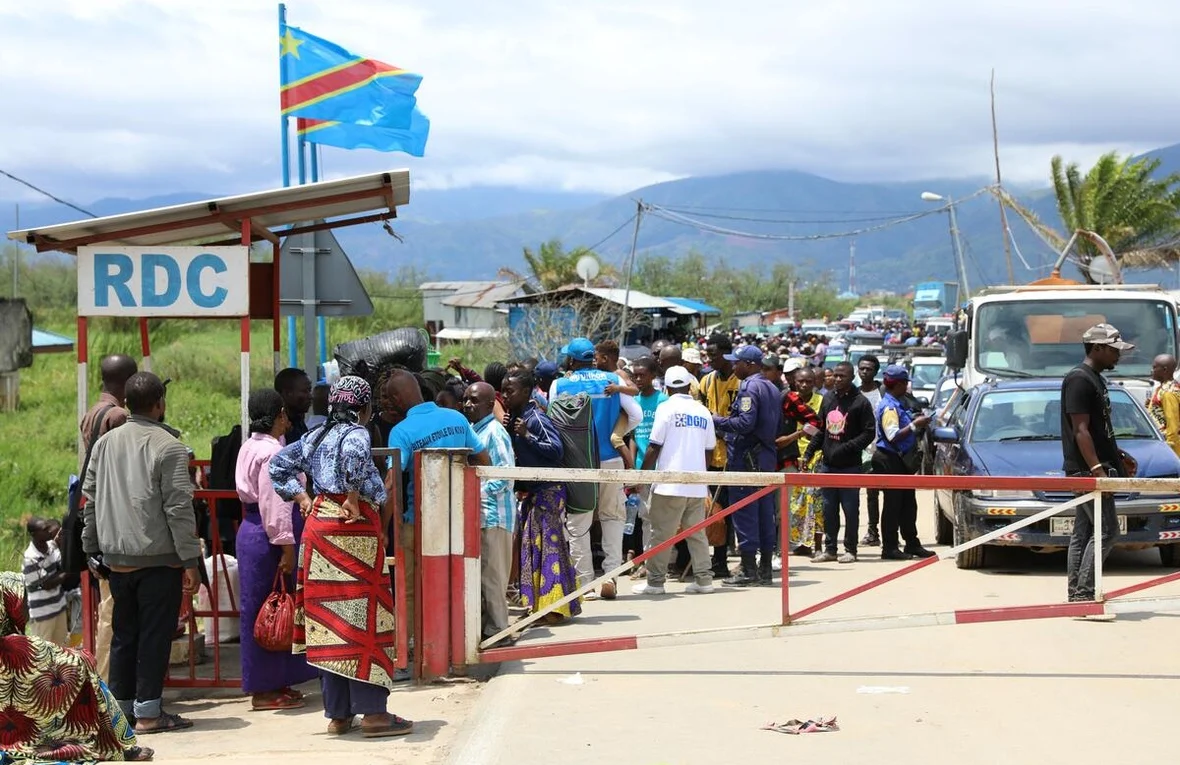
After days of anxiety and waiting in difficult conditions, more than 500 Burundian nationals have safely returned to their country following a tense three-day standoff at the border between the Democratic Republic of the Congo and Burundi.
The group, made up mainly of traders, casual workers and their families, had been living and earning a living in the eastern Congolese city of Uvira, in South Kivu province, before a sudden deterioration in the security situation forced them to flee.
The return took place on Sunday, when border authorities finally allowed the group to cross back into Burundi. For many of the returnees, the moment brought relief after days spent sleeping in the open, with limited access to food, clean water and medical assistance. Some said they had crossed into the border zone hurriedly, carrying only what they could manage, leaving behind homes, businesses and personal belongings in Uvira.
Uvira, a lakeside city near Lake Tanganyika, has in recent weeks been affected by renewed instability linked to armed activity in eastern Congo. The wider region of South Kivu has long been troubled by cycles of violence that regularly disrupt civilian life and force people to move in search of safety. Residents of the area say that when fighting intensifies, foreign nationals are often among the first to feel the impact, as borders become congested and movement tightly controlled.
According to accounts from those who returned, the days spent waiting at the border were marked by uncertainty. Families said they were unsure whether they would be allowed to cross, while others worried about relatives who had been separated during the hurried departure from Uvira. Humanitarian workers and local volunteers reportedly stepped in to provide basic assistance, though the needs far exceeded available resources.
Also Read; Benin Military Thwarts December Coup Attempt
Officials in Burundi confirmed that the returnees were received at official crossing points, where registration and initial screening were carried out. Authorities said arrangements were being made to help the families travel onward to their home areas and to assess urgent needs, including health care and temporary shelter. However, officials also acknowledged that the sudden arrival of hundreds of people could strain already limited services in border communities.
The movement of people across this border reflects a long history of close social and economic ties between eastern Congo and Burundi. During calmer periods, Congolese towns have hosted Burundian traders and workers, while Burundi has, at other times, received Congolese refugees fleeing violence. Analysts say this constant back-and-forth highlights how deeply connected security developments in eastern Congo are to the wider Great Lakes region.
For those who have now returned, the future remains uncertain. Many expressed concern about how they will rebuild their lives after losing sources of income in Uvira. Others said they hope to return one day, if stability is restored.