MWE Correspondent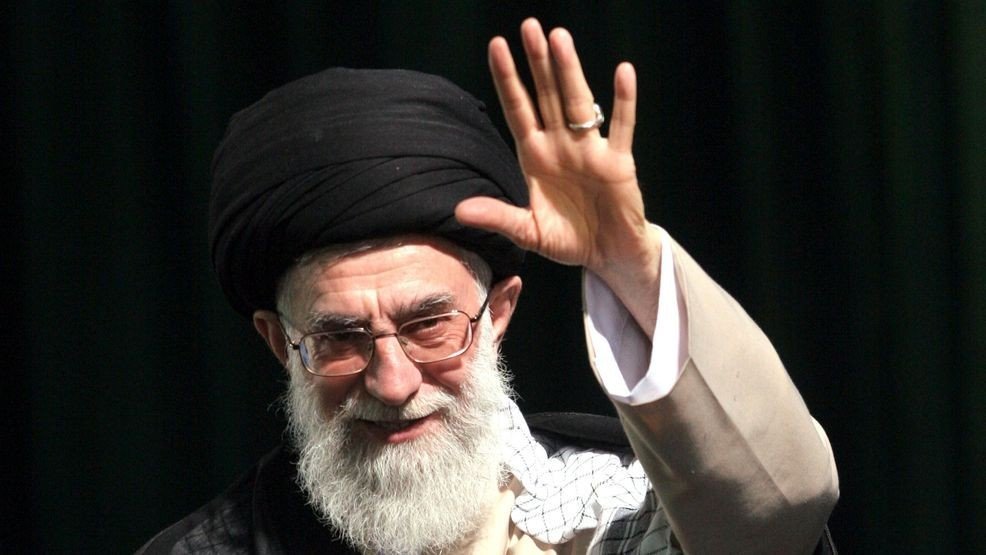
The Middle East was thrown into renewed uncertainty after Israeli Prime Minister Benjamin Netanyahu claimed there are strong indications that Iran’s Supreme Leader, , may have been killed during coordinated airstrikes carried out by Israel and the United States.
In a televised address, Netanyahu pointed to satellite imagery and intelligence briefings suggesting extensive destruction at sites believed to include Khamenei’s residential compound in Tehran. While he stopped short of declaring the Iranian leader officially dead, he said the scale of the strike and subsequent assessments raise serious questions about Khamenei’s survival.
Iranian authorities quickly rejected the claim, dismissing it as psychological warfare. Officials in Tehran insisted that the country’s leadership remains functional and stable, though they did not immediately provide visual proof of the Supreme Leader’s condition. The conflicting accounts have left the international community waiting for independent verification as tensions continue to rise.
The reported strike is seen as part of a broader escalation linked to concerns over Iran’s nuclear program, an issue that has fueled diplomatic disputes and covert operations for years. Israel has long argued that Tehran’s nuclear ambitions pose a direct security threat, while Iran maintains its program is for peaceful purposes.
Under Iran’s constitutional structure, the position of Supreme Leader of Iran holds ultimate authority over the armed forces, judiciary, and key state institutions. Any confirmed death of the sitting leader would trigger a succession process overseen by the Assembly of Experts, potentially reshaping the country’s political direction.
Analysts warn that even unconfirmed reports could destabilize the region. The broader Iran–Israel conflict has already intensified in recent years, with proxy confrontations and rising rhetoric. A direct leadership crisis in Tehran could deepen hostilities and draw in additional regional actors.
There is also growing concern about the role of the Islamic Revolutionary Guard Corps, a powerful military and political force within Iran. In times of instability, the Guard has historically exercised significant influence, and observers say its response could determine whether tensions escalate or stabilize.
For now, the absence of confirmed evidence leaves the situation fluid. Diplomatic channels across Europe, Asia, and the Middle East are reportedly active, with calls for restraint and de-escalation. Markets have reacted cautiously, reflecting fears that the crisis could spill beyond the region.
Whether the reports are ultimately confirmed or denied, the current moment underscores how fragile geopolitical balances can become when long-standing rivalries reach a breaking point. The world now watches closely, aware that developments in Tehran could have lasting global consequences.