MWE Correspondent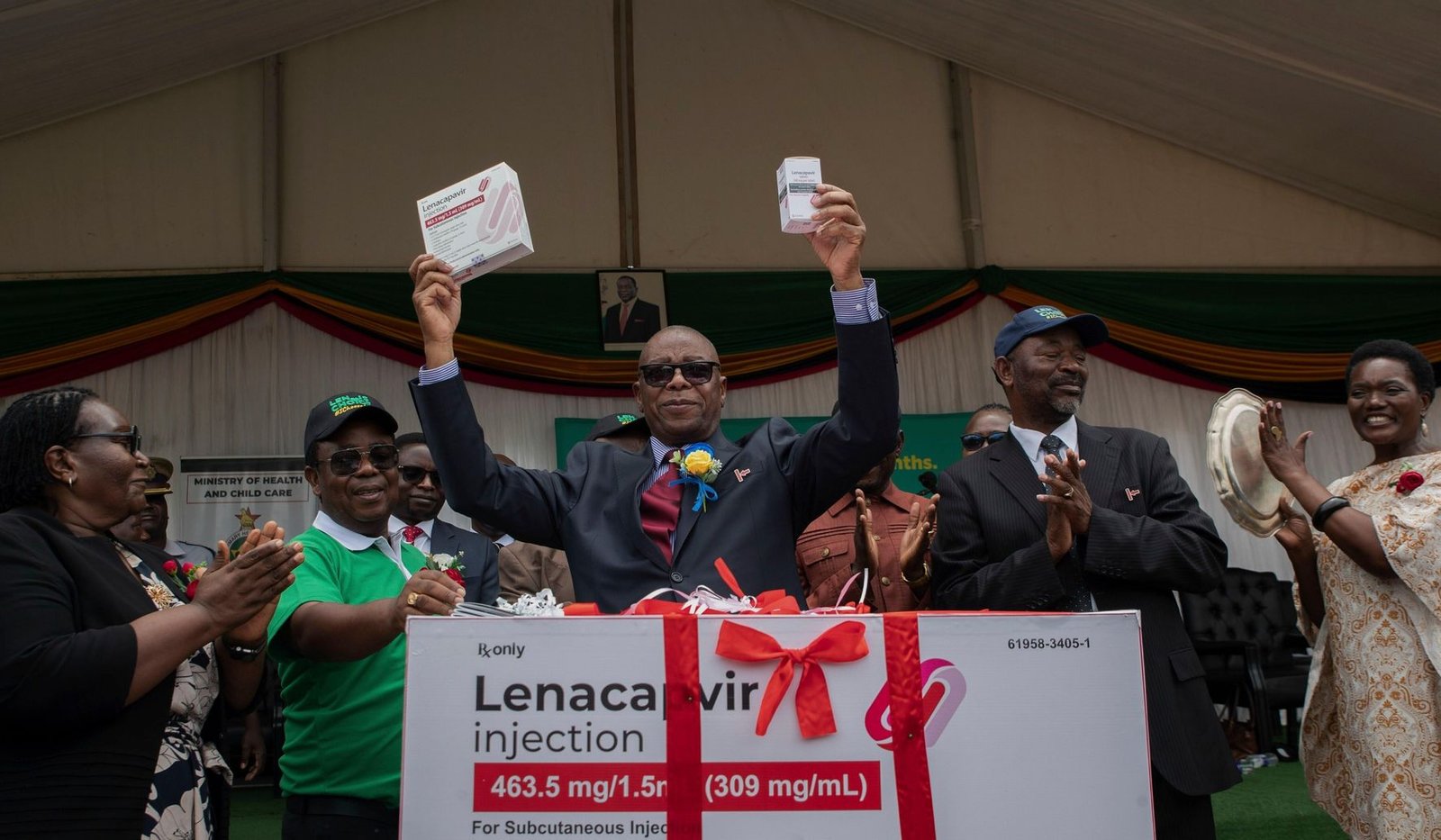
Zimbabwe’s government has taken the unusual step of rejecting a proposed multi‑year health funding deal with the United States, raising wider questions about international aid, national sovereignty, and how global health partnerships should work.
The disagreement centers on a new framework of health agreements that Washington has been negotiating with more than a dozen African countries under its “America First Global Health Strategy.” The strategy, announced by the U.S. government, would shift billions of dollars in funding previously managed through traditional channels such as USAID to direct bilateral agreements with individual nations.
But Zimbabwe’s leaders say they cannot accept terms of the U.S. offer, which they describe as one‑sided. Officials in Harare have said the negotiations broke down because the U.S. insisted on access to sensitive health data and biological samples without clear commitments that Zimbabwe would benefit from any resulting medical breakthroughs — including vaccines and treatments developed from that information.
In a brief public statement, Zimbabwe’s Health Minister described the proposed deal as “asymmetrical” and not in line with the country’s principles of sovereignty and data protection.
“We cannot agree to conditions that require us to hand over our people’s health data without assurance that Zimbabweans will benefit in equal measure,” officials said.
The United States expressed regret about the failed negotiations. A spokesperson for the U.S. Embassy in Harare said the deal “would have brought significant health improvements” and that Washington was disappointed it could not be concluded.
The breakdown in talks puts at risk millions of dollars in annual U.S. health assistance to Zimbabwe — funding that supports crucial services such as HIV/AIDS treatment, maternal and child health programmes, and efforts to combat tuberculosis and malaria.
Across Africa, the U.S. has already signed similar health agreements worth approximately $18.3 billion with at least 16 other countries under this new framework. Supporters of the approach say it offers more predictable financing and aligns funding with national priorities. Critics, including many public health experts and civil society organisations, argue the agreements concentrate too much control in the hands of donors and may compromise data privacy and equitable access to future medical innovations.
Many have also pointed to the role of global institutions such as the World Health Organization (WHO) in coordinating pandemic response, surveillance, and data sharing, arguing that multilateral systems can be more balanced and transparent than bilateral deals.
Health advocates warn that Zimbabwe’s rejection could trigger a slowdown in essential services if alternative funding is not secured quickly. International partners, including United Nations agencies and global funds, are expected to engage with Zimbabwe’s government to find solutions that ensure continuity of care.
Observers say the dispute reflects broader tensions in how donor countries set conditions for aid — balancing national interests, global health security, and respect for the autonomy of partner countries.
For many Zimbabweans reliant on foreign‑supported programmes, the priority will be stability in health services. For diplomats and global health policymakers, the aftermath could reshape how future aid agreements are structured and negotiated.