MWE Correspondent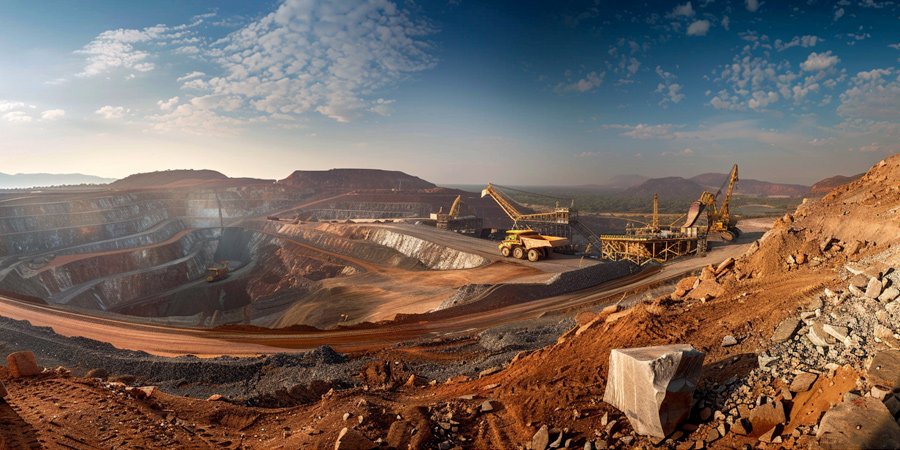
The competition for control over strategic minerals in Africa is intensifying as global powers deepen their economic engagement with the continent’s most resource‑rich nation: the Democratic Republic of the Congo.
With vast deposits of cobalt, copper, lithium and other materials essential to the clean energy transition and advanced technologies, the Congo has become a focal point in a broader geopolitical contest — one that African policymakers are seeking to navigate with greater agency and strategic clarity.
Last week, the Congolese government signed an agreement with China aimed at expanding cooperation in the nation’s mining sector. The deal covers geological data sharing, investment protection and the promotion of local processing of raw materials — a step that reflects Kinshasa’s effort to capture more value from its resource endowment rather than remain merely an exporter of raw ore. Chinese companies deeply involved in Congo’s mining ecosystem, including CMOC Group Ltd, Zijin Mining Group Co Ltd and Zhejiang Huayou Cobalt Co Ltd, already hold significant stakes in key cobalt and copper assets, and Beijing remains the Congo’s largest bilateral creditor.
This new cooperation framework also ensures that projects comply with Congolese law and that they are implemented in a stable and transparent environment, according to a statement released by the government. Analysts say this move may attract increased Western attention given the strategic importance of Congo’s mineral wealth for global supply chains. With energy transitions, electric vehicles and digital technologies driving up demand for these materials, access to reliable and predictable extraction and refining sources has become a priority for both Western and non‑Western powers.
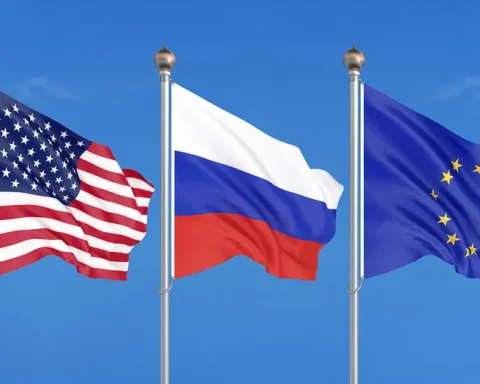
The United States and its allies are also active in the region, pursuing rival agreements and investment initiatives designed to diversify supply chains away from Chinese dominance. Washington has promoted offtake deals, state‑backed investment vehicles and strategic partnerships in an effort to secure future mineral flows from the Congo. Even so, U.S. officials acknowledge that structural challenges — such as conflict, contested mining licenses and compliance hurdles — have slowed progress in reducing Western dependence on Chinese controlled supply chains and infrastructure.
At the same time, investors from other countries including India are seeking a share of the Congo’s mineral assets. According to recent reporting, U.S., Chinese and Indian investors are competing for control of cobalt assets owned by Kenyan‑Indian entrepreneurs, illustrating how market demand is drawing a wider set of global actors into Africa’s resource arena.
Amid this external interest, Congolese authorities are attempting to balance competing partnerships in a way that maximizes national benefits without over‑reliance on any single power bloc. Kinshasa’s new agreement with China includes provisions to encourage local processing of raw materials, a long‑sought aim of many African leaders who want to ensure that more value is captured on the continent rather than overseas. By building added capacity for processing materials like cobalt sulfate, lithium compounds or copper concentrates within national borders, Congo can enhance job creation, technological expertise and export revenues.
Also Read: Africa Becomes Battleground For Global Resource Power
Yet the external competition underscores deeper policy questions for African nations more broadly: how to encourage foreign investment while ensuring it aligns with long‑term industrial goals; how to protect the environment amid expansive mining operations; and how to strengthen governance so that mineral wealth translates into broad‑based socio‑economic benefit rather than narrow rent extraction. These concerns are especially acute in regions where infrastructure is limited and institutional capacity is still developing.
On the environmental front, mining activities can present significant challenges. Pollution of water sources, disruption of agricultural land and hazardous working conditions are common concerns around mining regions. Ensuring effective environmental audits, community‑benefit agreements and industrial rehabilitation plans is essential if mineral extraction is to support sustainable development rather than undermine it.
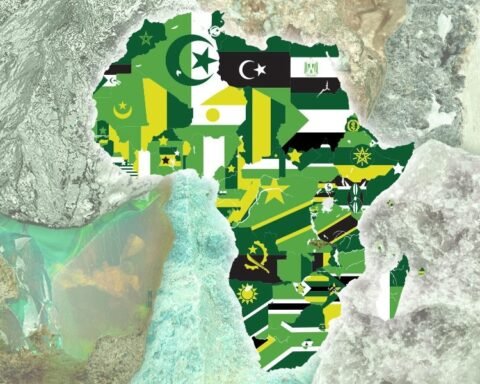
The global pull toward Congo’s strategic minerals also highlights broader economic shifts. The continent is home to about 30% of the world’s critical mineral reserves, with sub‑Saharan Africa accounting for a substantial share of global cobalt and copper production. Despite this abundance, African countries capture only a fraction of the total economic value generated along the global supply chain. Closing that gap could unlock significant revenue that supports education, healthcare, infrastructure and technological innovation.
Africa’s rising economic resilience has helped the region reduce dependence on traditional foreign aid while increasing its appeal to foreign direct investment and private capital. Recent analyses show that as global aid declines, African economies have leaned more on exports, foreign investment and remittances — trends that both reflect and reinforce a shift toward greater autonomy in economic planning and global partnership strategies.
For Congolese leaders, the strategic challenge is clear: harness foreign engagement in ways that accelerate local industrialization, raise living standards and ensure that mineral wealth benefits citizens directly. Balancing cooperation with China, the United States and other partners offers a rare opportunity to negotiate more favorable terms, build processing infrastructure and drive inclusive growth.
Ultimately, the Congo’s evolving mineral diplomacy exemplifies a broader continental strategy: use global demand not as a lever of dependency, but as a catalyst for industrial transformation and economic sovereignty.
This approach could set a powerful precedent for other African countries rich in strategic resources showing that external competition, if managed strategically, can become a partner in sustainable domestic development rather than a challenge to national autonomy.