MWE Correspondent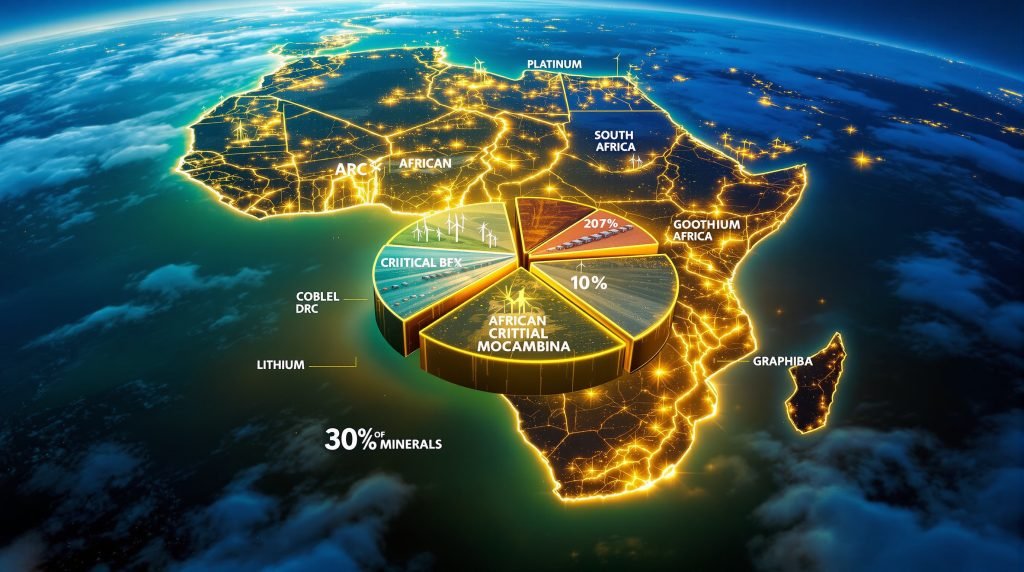
Africa is emerging as the epicenter of a global scramble for rare earth minerals, critical metals, and energy resources, as Western nations and China intensify their strategic investments across the continent in 2026.
These minerals — including cobalt, lithium, and other rare earth elements — are essential for electric vehicles, renewable energy technologies, and high-tech electronics, making Africa a crucial player in the next phase of global industrial transformation.
Countries such as the Democratic Republic of the Congo, South Africa, Ghana, and Namibia have seen an unprecedented surge in foreign interest. China, leveraging decades of investment in mining infrastructure and trade networks, maintains a strong foothold in the extraction and processing of these resources. Western powers, led by the United States and the European Union, are pushing back with new trade agreements and strategic partnerships designed to diversify supply chains and reduce reliance on Chinese-controlled production.
Analysts argue that the competition is not just about economics — it is a contest over influence, technological leadership, and energy security. “Critical minerals are the oil of the 21st century,” said a global industry observer. “Whoever controls these resources shapes the future of innovation, transportation, and renewable energy globally.”
While the influx of investment brings opportunities such as job creation, infrastructure development, and export revenues, there are growing concerns about sovereignty, governance, and environmental sustainability. Communities near mining sites have reported displacement, water contamination, and deforestation, highlighting the urgent need for stricter regulatory oversight. Civil society organizations and environmental advocates are calling for governments to implement robust frameworks that ensure mining profits benefit local populations and do not come at the expense of ecosystems.
Also Raead; African Nations Explore Debt Restructuring Beyond IMF
African nations are increasingly seeking to assert control over their strategic resources. Initiatives like the African Continental Free Trade Area (AfCFTA) are creating pathways for intra-continental trade in raw and processed minerals, while policies promoting local processing and beneficiation aim to retain more value domestically rather than exporting unrefined ores. By keeping more of the supply chain on the continent, African states hope to strengthen economic sovereignty and reduce vulnerability to global market fluctuations.
Regional cooperation is also intensifying. The African Union has advocated for a coordinated strategic minerals policy to ensure equitable access and benefit-sharing among member states. Countries are revising mining laws to increase transparency, enforce environmental protections, and guarantee that local communities share in the economic gains from extraction activities.
Experts emphasize that long-term success will depend on balancing foreign partnerships with national interests, fostering technological development, and building diversified economies beyond raw mineral exports. By investing in manufacturing, renewable energy projects, and local innovation hubs, African countries can reduce dependency on foreign actors while leveraging their natural resources for sustainable growth.
Africa’s choices will shape not only regional economic futures but also the global trajectory of technology, energy, and industrial competitiveness. The challenge for African leaders is clear: harness the continent’s resource wealth responsibly, protect sovereignty, and ensure that these minerals serve the people and economies of Africa, rather than becoming instruments of neocolonial extraction.