MWE Correspondent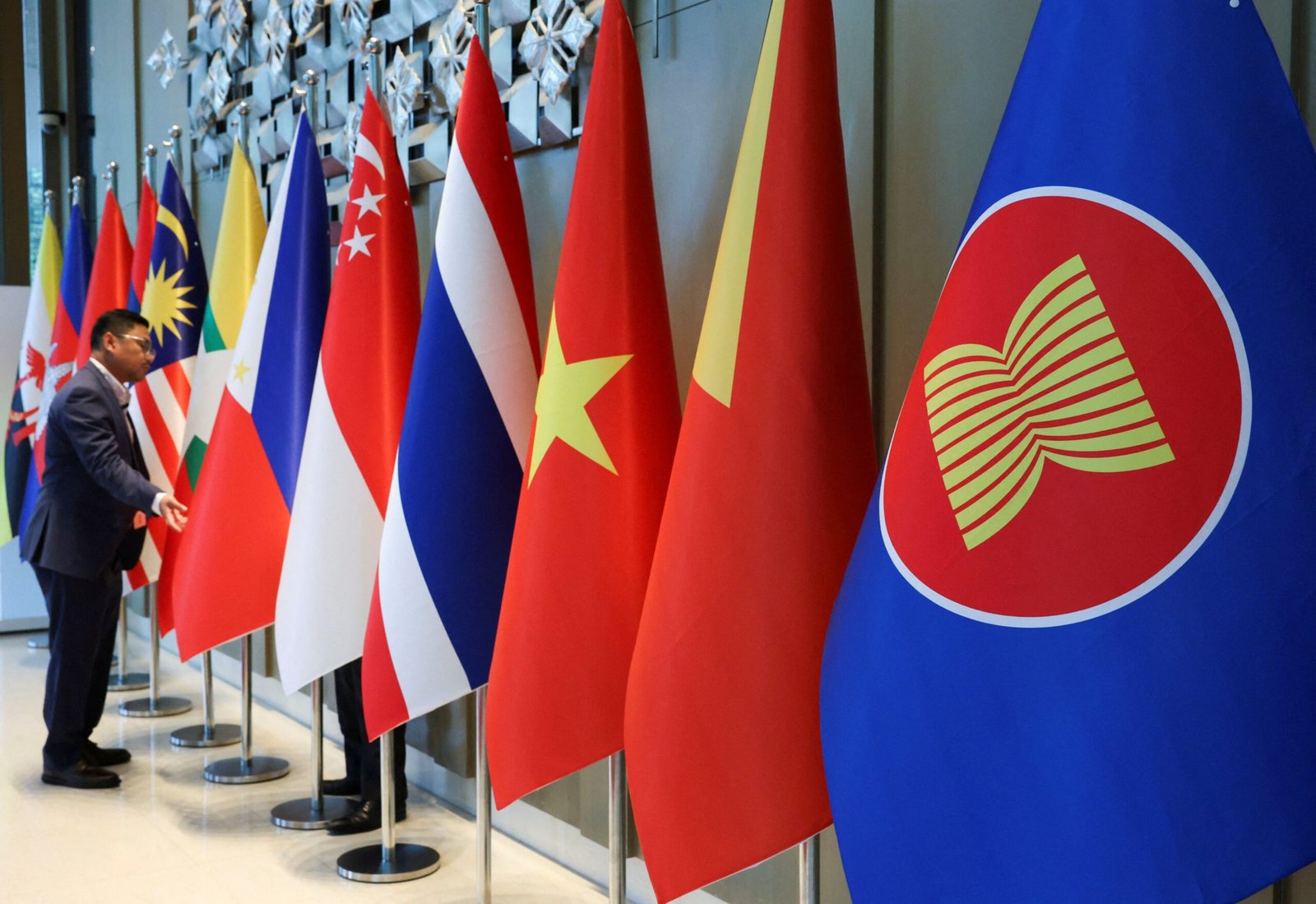
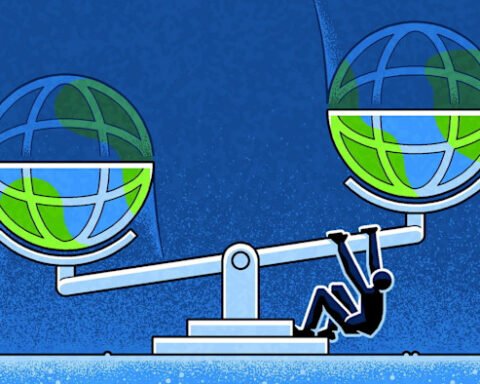
A quiet but significant transformation is underway in global politics, where traditional alliances are being reshaped, rebalanced, and in some cases completely redefined.
While there is no dramatic public rupture, the underlying structure of international relationships is shifting in ways that are gradually changing how global power is distributed.
This evolution is not driven by a single event, but by a series of strategic adjustments across different regions. Countries are increasingly forming partnerships based on specific interests rather than long-standing historical alignments. This creates a more flexible but also more complex global system, where cooperation is issue-based rather than permanently fixed.
This is where geopolitics becomes central.
Geopolitics today is no longer only about military strength or territorial influence. It now includes economic positioning, control over trade routes, access to technology, and influence over financial systems. As a result, countries are continuously reassessing where their strategic advantages lie.
One of the most visible changes is the rise of more fluid alliances.
Instead of rigid blocs, many nations are engaging in multiple overlapping partnerships. A country may cooperate with one partner in energy, another in technology, and a different group in trade. This layered approach allows for flexibility but also reflects a more fragmented global environment.
This shift is closely linked to multipolarity.
Multipolarity refers to a global system where power is distributed among several major actors rather than concentrated in one dominant center. This structure creates balance but also increases complexity, as decision-making becomes more distributed and less predictable.
Also Read: Global Trade System Quietly Shifts Power Balance
Economic interests are playing a major role in this transformation.
Trade agreements are increasingly being shaped by strategic calculations rather than purely economic efficiency. Countries are prioritizing supply chain security, access to critical resources, and long-term stability over short-term cost advantages.
This is where strategic autonomy becomes important.
Strategic autonomy refers to a country’s ability to make independent decisions while still participating in global cooperation. It is not about isolation, but about reducing overdependence on any single partner or system. Many countries are now actively working to strengthen this capacity.
At the same time, global cooperation remains essential.
Despite shifting alliances, countries continue to rely on international frameworks to manage shared challenges such as energy security, climate risks, and financial stability. The difference now is that cooperation is more selective and carefully structured.
There is also a growing impact on global governance systems.
As alliances become more fluid, international institutions face pressure to adapt to a more diverse and decentralized world order. This includes discussions around representation, decision-making structures, and the balance of influence among member states.
This transition is not chaotic but it is gradual and continuous.
What is emerging is a global system that is less centralized and more network-based. Influence is no longer concentrated in a single direction, but spread across multiple interconnected power centers.
For businesses and investors, this environment introduces both opportunity and uncertainty.
New alliances can open access to emerging markets and investment zones, but shifting relationships also require constant monitoring and adaptability. Strategic awareness is becoming as important as financial planning.
The key takeaway is clear.
Global alliances are not breaking apart they are being rebuilt in real time.
And in that rebuilding process, the global balance of power is quietly but steadily being rewritten.