MWE Correspondent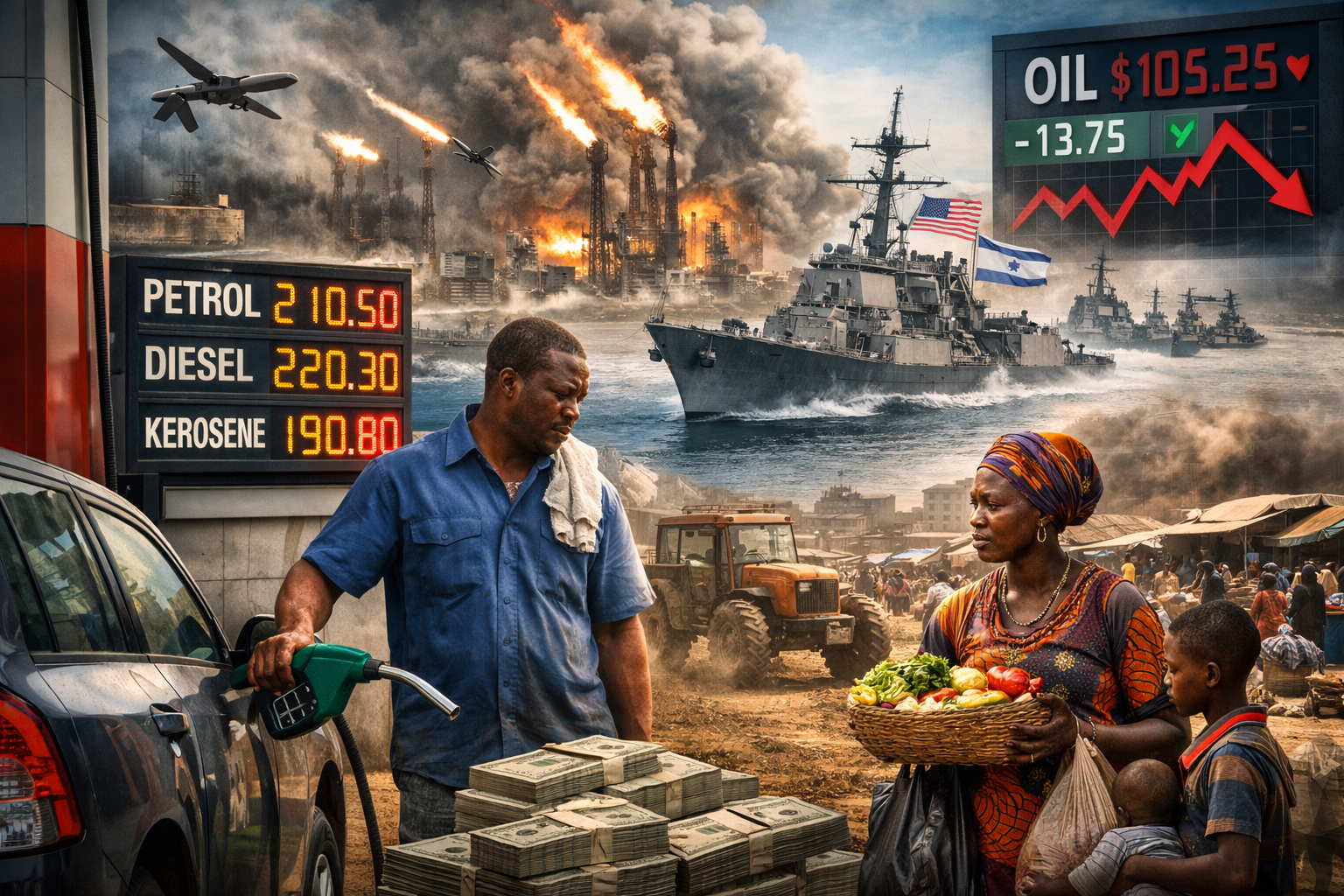
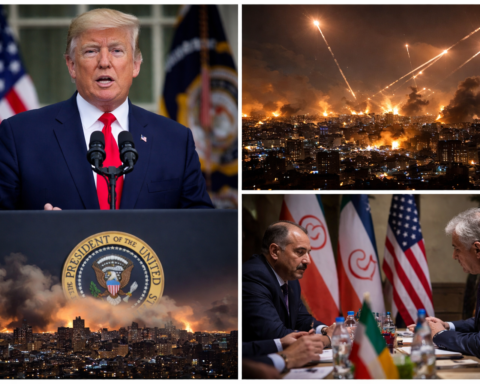
The global energy system has entered a period of heightened uncertainty, driven by escalating geopolitical tensions involving the United States, islael and .Iran
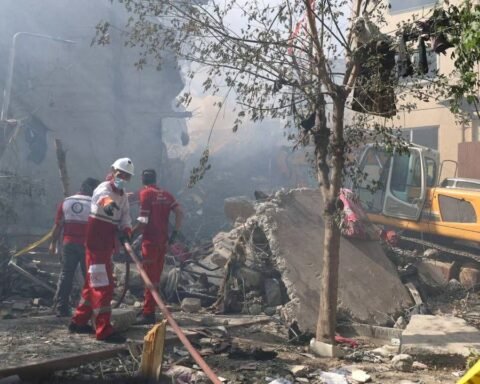
While conflicts in this region are not new, the current phase reflects a deeper level of disruption, where security concerns, supply chain instability, and market volatility are converging to affect economies far beyond the Middle East. For Africa, the consequences are immediate, measurable, and increasingly visible in daily life.
Historically, global oil markets have been sensitive to conflicts in the Middle East. Since the 1970s oil crises, any instability around key shipping routes—particularly the Strait of Hormuz—has triggered supply fears. That narrow waterway alone has long handled roughly one-fifth of global oil trade, making it one of the most strategically important chokepoints in the world. Even minor disruptions there tend to ripple across international markets within hours, affecting pricing, insurance costs, and shipping logistics.
In the current context, tensions between major powers and Iran have intensified risk perceptions among oil traders and shipping companies. As a result, freight costs have increased, insurance premiums for tankers have risen, and some shipping routes have been adjusted to avoid potential conflict zones. These changes do not necessarily stop oil production globally, but they tighten effective supply and introduce uncertainty into an already fragile balance between demand and supply.
Before this escalation, global oil markets were already experiencing post-pandemic recovery pressures. Demand had rebounded faster than expected, while investment in new production had lagged in several regions. This created a relatively tight market even without geopolitical shocks. The addition of conflict-related risks has therefore amplified an existing imbalance rather than creating it from scratch.
For African economies, the shift is particularly significant due to structural dependency on imported fuel. Countries such as and rely heavily on imported refined petroleum products to power transportation, industry, and electricity generation. Many African nations import a substantial majority—often over 80%—of their fuel needs, making them highly exposed to fluctuations in global oil prices.
Statistically, global oil price increases have a direct and measurable impact on African economies. A rise of even $10 per barrel can translate into significantly higher annual import bills for oil-importing countries, often amounting to hundreds of millions of dollars in additional expenditure. This places pressure on foreign exchange reserves and widens trade deficits. Governments may respond by adjusting fuel subsidies, but such measures can strain public finances.
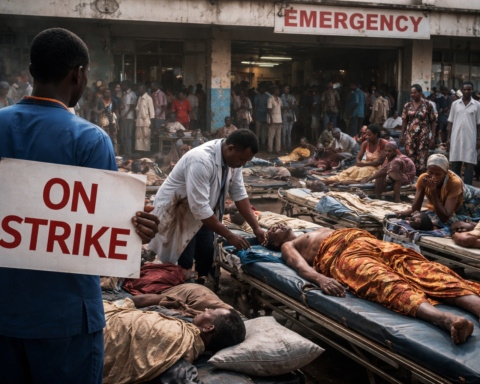
At the household level, the effects are tangible. Fuel price increases lead to higher transport fares, which then cascade into the cost of goods and services. In urban centers, commuters often face immediate fare adjustments, while rural areas experience rising costs in food distribution due to increased logistics expenses. Small and medium-sized enterprises, which form the backbone of many African economies, are particularly vulnerable as they operate on thin margins and limited access to credit.
In the agricultural sector, fuel plays a critical role in mechanization, irrigation, and transportation of produce. Increased fuel costs can therefore reduce productivity and contribute to higher food prices, reinforcing inflationary pressures. This creates a feedback loop where energy costs influence food security, which in turn affects social stability.
Also Read; Africa Reclaims Trade Power Through Value Addition Strategy
Compared to previous periods of oil shocks, the current situation is distinguished by the speed of information flow and the interconnectedness of markets. Financial markets react almost instantly to geopolitical developments, and oil futures pricing reflects expectations of future disruptions rather than just current supply levels. This forward-looking behavior often magnifies the immediate impact of political events.
In response, some African countries are accelerating discussions around energy diversification, including investments in renewable energy, domestic refining capacity, and regional energy trade. However, these are long-term solutions. In the short term, most economies remain exposed to external shocks.
Ultimately, the current geopolitical tensions have reinforced a long-standing reality: global energy stability is deeply interconnected with political stability. For Africa, the challenge is not only to navigate immediate price volatility but also to build resilience against future disruptions. The present moment serves as both a warning and an opportunity—highlighting the urgency of strengthening energy systems that can withstand external shocks while supporting sustainable economic growth.