MWE Correspondent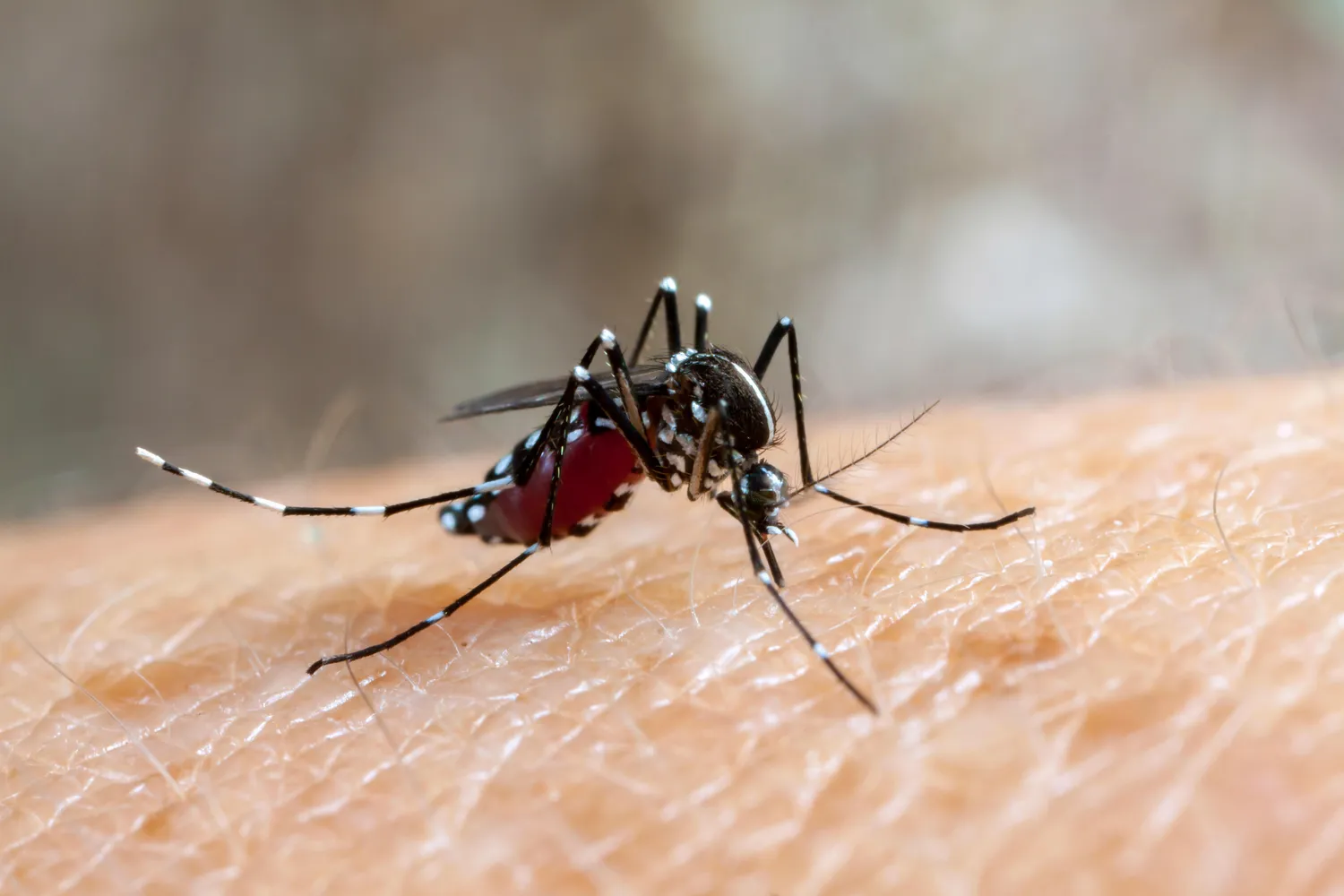
Despite decades of progress in the fight against malaria, the disease claimed 610,000 lives in 2024, according to the latest report from the World Health Organization (WHO).
The report highlights a troubling rise in infections worldwide, with an estimated 282 million people affected last year, up from 273 million in 2023. (WHO malaria report 2025)
The majority of fatalities continue to occur in sub-Saharan Africa, where children under five remain the most vulnerable. Health experts warn that without urgent intervention, the gains achieved in the early 2000s could be reversed, putting millions of lives at risk.
One of the major challenges highlighted in the report is drug resistance, which undermines the effectiveness of key antimalarial medicines. Resistance to artemisinin-based therapies has been detected in several countries, making treatment more difficult and threatening the progress made over the past two decades.
Climate change, insufficient funding, and ongoing gaps in prevention and treatment further exacerbate the situation. Rising temperatures and shifting rainfall patterns expand mosquito habitats, increasing the likelihood of transmission in areas previously considered lower-risk.
Also Read; Women’s Forum Maps Path to National Unity
Meanwhile, limited resources leave many countries struggling to maintain malaria control programs, from bed net distribution to vaccination campaigns.
Despite these challenges, the fight against malaria has not stalled entirely. Since 2000, global efforts — including the introduction of insecticide-treated bed nets, indoor spraying, early diagnosis, and artemisinin-based treatments — have prevented millions of infections and deaths. In 2024 alone, the rollout of new interventions, including vaccines in high-burden regions, is estimated to have prevented over a million deaths.
WHO emphasizes that continued vigilance is essential. Communities are urged to use preventive measures, seek early diagnosis and treatment, and support public health initiatives to maintain momentum in reducing malaria’s impact. Global coordination, investment in next-generation antimalarial drugs, and strengthened healthcare infrastructure remain key to preventing a resurgence.