MWE Correspondent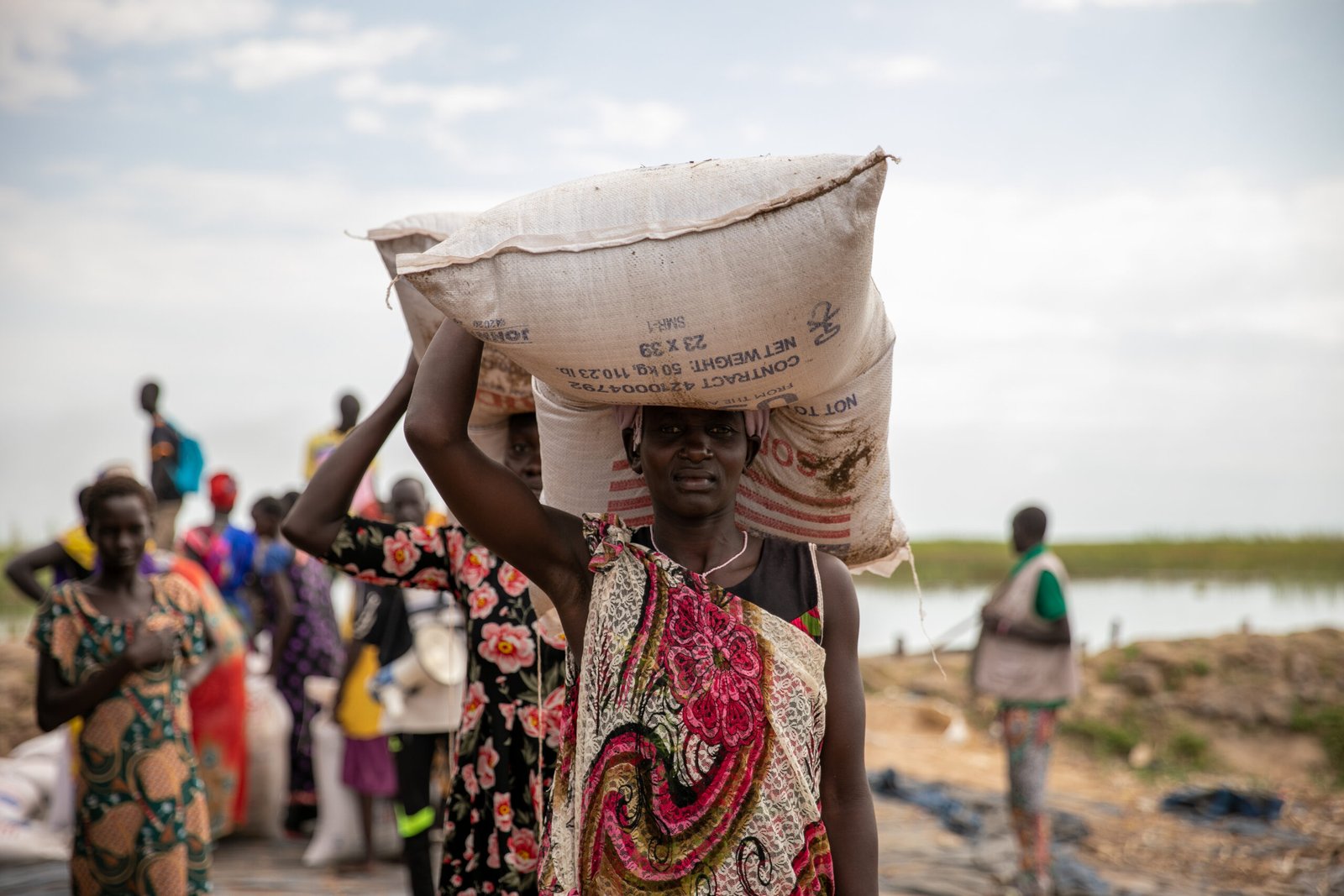
Sudan is edging closer to a severe humanitarian setback as food assistance for millions of people faces drastic reductions in the coming months.
Aid officials warn that unless urgent financial support is secured, food rations will be cut starting early next year, deepening hardship in a country already strained by conflict, displacement, and economic collapse.
For many families across Sudan, humanitarian food aid is no longer a supplement but a lifeline. Years of instability have disrupted farming, destroyed markets, and forced millions from their homes. With incomes lost and prices soaring, access to basic food has become increasingly fragile. The looming funding gap now threatens to weaken one of the last safety nets keeping large parts of the population from sliding into extreme hunger.
The warning highlights a broader reality facing humanitarian operations worldwide. As crises multiply, available funding has failed to keep pace with growing needs. Sudan’s emergency has unfolded alongside conflicts and climate-related disasters elsewhere, stretching donor capacity and attention. Yet aid workers stress that the consequences of reduced assistance in Sudan could be immediate and devastating.
Hunger levels are already alarming. In several regions, households are skipping meals, selling remaining assets, or relying entirely on external aid. Experts caution that further cuts could push vulnerable communities closer to conditions associated with famine, particularly in areas affected by fighting and mass displacement. Children, pregnant women, and the elderly are expected to bear the heaviest burden, with rising cases of acute malnutrition reported by health workers.
Beyond physical hunger, reduced food support carries wider social risks. When families cannot meet basic needs, children are often pulled out of school, early marriages increase, and people are forced into unsafe migration routes in search of survival. These coping strategies can leave long-term scars, undermining recovery even if stability eventually returns.
The situation in Sudan reflects a growing global challenge around food security. Conflict, climate shocks, and economic pressures are converging to make reliable access to food more uncertain for millions worldwide. Humanitarian experts warn that allowing food systems and aid networks to fail can rapidly destabilize already fragile societies.
Also Read: Burundi President Warns of Foreign Disruption in DRC
Aid officials argue that maintaining food assistance is not only a humanitarian necessity but also a stabilizing force. Regular access to food reduces displacement, supports basic health, and helps communities endure periods of crisis without collapsing entirely. In Sudan, where state services are severely weakened, humanitarian aid plays an outsized role in sustaining daily life.
As the funding shortfall grows, appeals for international support have intensified. The next six months are seen as particularly critical, with agencies warning that decisions made now will shape the scale of suffering ahead. Without renewed commitments, ration cuts may become unavoidable, affecting millions who have few alternatives.
Sudan’s unfolding situation underscores the fragile nature of humanitarian aid in an era of overlapping global emergencies. It is a reminder that hunger is rarely sudden, but the result of prolonged neglect, conflict, and constrained resources. For millions of Sudanese, the risk is not theoretical. It is a daily question of whether food will still arrive tomorrow.