MWE Correspondent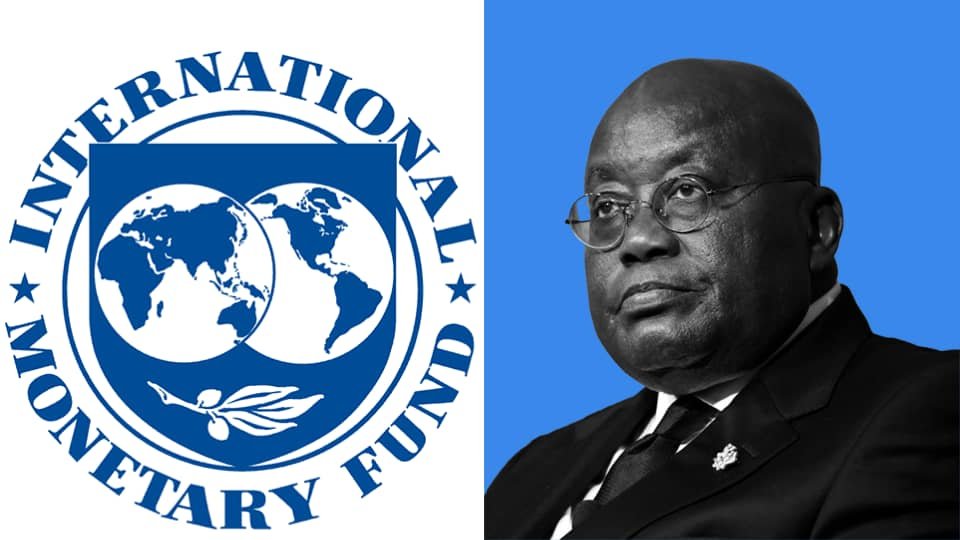
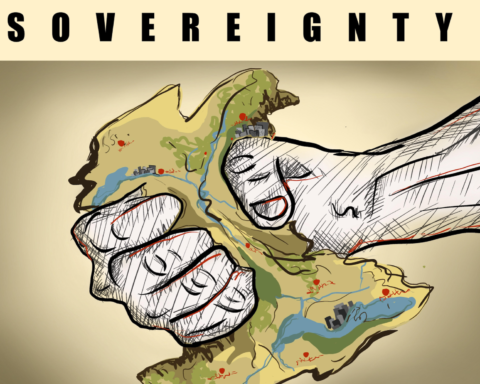
Ghana has taken a major step toward economic independence after formally beginning the process of exiting its financial support program with the International Monetary Fund, following signs of sustained recovery and improving stability.
In his 2026 New Year’s address, President John Dramani Mahama said the country was leaving the support arrangement “with dignity,” noting that Ghana had regained enough economic strength to move on from a period marked by heavy external assistance. He described the transition as a shift from being a dependent borrower to becoming a confident partner in the global financial system.
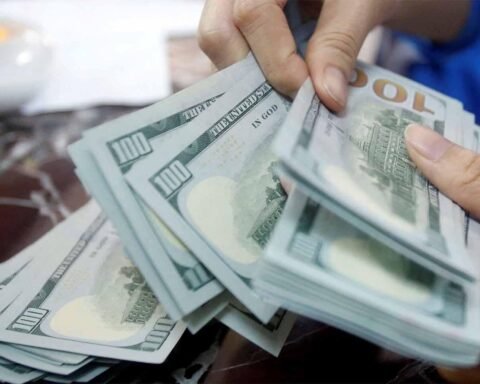
The decision comes after the successful completion of the fifth review of the IMF-backed program in December 2025, which cleared the way for a final disbursement of about 385 million US dollars. This brought total support received since 2023 to more than 2.8 billion dollars. The funds were part of an Extended Credit Facility designed to help Ghana stabilize its economy at a time when inflation was high, the national currency was under pressure, and public debt had reached worrying levels.
Government officials say the progress achieved was the result of difficult but necessary reforms, including tighter fiscal controls and changes in monetary policy. Inflation, which had climbed above 23 percent in late 2024, has fallen sharply and is projected to reach around 5 percent by the end of 2025. At the same time, the Ghanaian cedi has shown greater stability, helping to ease the cost of imports and restore confidence among businesses and investors.
Another key factor in the recovery was a comprehensive debt restructuring exercise, which reduced pressure on public finances and improved relations with creditors. Analysts say this process was critical in restoring credibility and allowing the government to plan beyond short-term crisis management.
Also Read; Iran Leader Condemns Protests Amid Rising Political Tensions
The IMF has acknowledged Ghana’s progress and expressed confidence in the country’s outlook, projecting economic growth of about 4.8 percent in 2026. The role of the International Monetary Fund in supporting countries facing balance-of-payments challenges is well documented, and Ghana’s case is now being cited as an example of steady recovery under strict reform conditions.
With the program coming to an end, the government says its focus will shift to long-term growth initiatives. Among the key plans is the introduction of a “24-hour economy,” aimed at boosting productivity, expanding employment opportunities for young people, and encouraging industries to operate beyond traditional working hours. Officials believe this approach will help sustain momentum without the limits that often come with formal bailout arrangements.
Economists caution, however, that the post-program period will be just as critical as the recovery phase. Maintaining fiscal discipline and responsible public spending will be essential to avoid slipping back into cycles of excessive borrowing, a common risk during periods of economic recovery.
Ghana’s exit from IMF support marks an important turning point for one of West Africa’s largest economies. As global financial conditions remain uncertain, the country’s ability to protect its gains and manage sovereign debt responsibly will determine whether this moment becomes a lasting success or a temporary milestone.