MWE Correspondent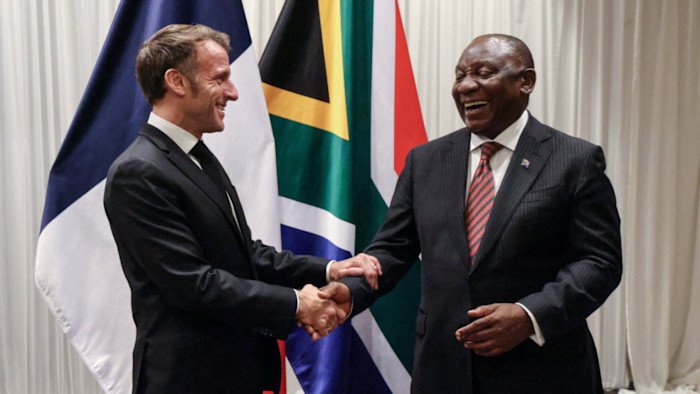
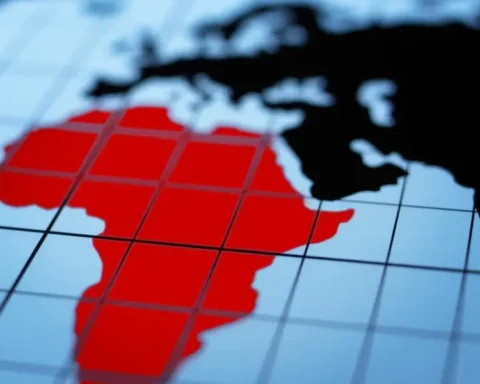
South Africa’s presidency has confirmed that France has withdrawn an invitation for President Cyril Ramaphosa to attend the upcoming G7 summit, in a move that is already raising diplomatic tensions and questions about global political alignments.
According to officials in Pretoria, the decision followed mounting pressure from key Western allies, though specific countries involved have not been publicly identified. The development marks a significant shift in relations, particularly as South Africa has sought to maintain a balanced foreign policy amid growing geopolitical divisions.
The G7, a grouping of the world’s most advanced economies—including the United States, the United Kingdom, France, Germany, Italy, Canada, and Japan—often invites non-member countries to participate in discussions on global challenges such as climate change, economic stability, and security. South Africa, as one of Africa’s leading economies and a member of the BRICS bloc, has frequently been included in such engagements.
Diplomatic analysts suggest the withdrawal of the invitation may be linked to South Africa’s increasingly independent stance on global conflicts, particularly its neutral position on the war in Ukraine and its closer ties with countries such as Russia and China. Pretoria has repeatedly emphasized the importance of dialogue and non-alignment, a position that has sometimes put it at odds with Western partners.
“This decision reflects deeper geopolitical tensions rather than a single issue,” said one international relations expert. “South Africa’s role as a bridge between the Global South and major world powers makes it both influential and, at times, controversial.”
The move by France is particularly notable given its historical and economic ties with Africa. Paris has long sought to maintain strong relationships across the continent, but shifting global dynamics and growing African assertiveness are reshaping these interactions. The reported withdrawal of Ramaphosa’s invitation could signal a recalibration of diplomatic priorities within the G7.
Also Read; Landmark Verdict Holds Tech Giants Accountable
South Africa’s presidency has not issued a detailed response but indicated that the country remains committed to engaging with international partners on key global issues. Officials stressed that South Africa continues to advocate for inclusive dialogue that reflects the interests of developing nations.
Historically, South Africa has positioned itself as a voice for the Global South, advocating for reforms in global governance structures, including the United Nations and international financial institutions. Its participation in forums such as BRICS has further strengthened its role in promoting alternative perspectives on global economic and political issues.
The timing of the decision is also significant. With global tensions rising and alliances shifting, the G7 summit is expected to address critical issues ranging from economic recovery to security challenges. The absence of South Africa could limit African representation at a time when the continent’s role in global affairs is becoming increasingly important.
Observers warn that such developments risk deepening divisions between Western nations and emerging economies. At the same time, they highlight the growing complexity of international diplomacy in a multipolar world, where countries are navigating competing interests and alliances.