MWE Correspondent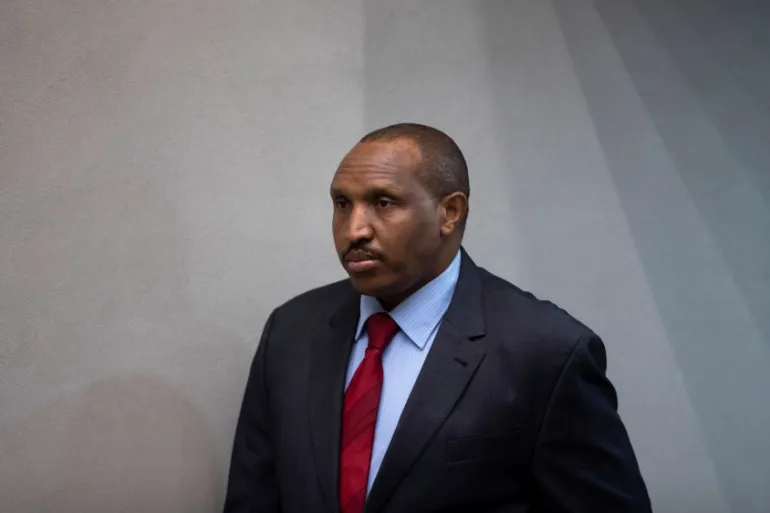
A French court has sentenced Roger Lumbala, the former leader of a Congolese rebel faction, to 30 years in prison for his role in crimes against humanity during the Second Congo War.
The judgment, delivered on 15 December 2025, highlights the growing reach of international justice and the use of universal jurisdiction to hold perpetrators accountable, even decades after the crimes occurred.
Lumbala, 67, was found guilty of ordering or assisting atrocities including mass killings, rape, forced labour, and pillage carried out between 2002 and 2003 while he led the rebel group Rally for Congolese Democracy‑National (RCD‑N). These acts devastated communities in eastern Democratic Republic of the Congo (DRC), particularly in the mineral-rich regions of Ituri and North Kivu, leaving deep scars on civilian populations.
During the trial, prosecutors emphasized Lumbala’s direct responsibility in orchestrating the violence, arguing that he had effective control over combatants who committed systematic abuses against ethnic groups, including the Nande and Bambuti. Witnesses recounted harrowing stories of families torn apart, villages destroyed, and civilians subjected to extreme violence.
Human rights organizations hailed the sentence as a landmark moment in the fight against impunity. Advocates noted that it sends a strong signal to other leaders responsible for mass atrocities that time will not protect them from justice. “This verdict reaffirms that international law can hold individuals accountable, no matter how much time has passed,” said a representative from an international justice NGO.
Also Read; Mining Firm Highlights Commitment To Safer Tailings Systems
The use of universal jurisdiction in this case underscores how national courts, such as those in France, can prosecute grave international crimes committed abroad, ensuring accountability when local courts are unable or unwilling to act. Legal experts believe this approach will continue to play a key role in deterring leaders from committing atrocities in regions with weak justice systems.
The Second Congo War, which lasted from 1998 to 2003, remains one of the deadliest conflicts since World War II, resulting in over five million deaths due to fighting, disease, and famine. Multiple armed groups, foreign armies, and militias fought over territory and resources, creating a legacy of instability that still affects eastern DRC today.
For victims and their families, the Paris ruling offers a measure of closure after more than two decades. Survivors who testified during the trial described the relief of seeing one of the key figures behind the violence held accountable, while also emphasizing the importance of continued vigilance against ongoing human rights abuses in the region.
Lumbala now faces decades in a French prison, with limited possibility of early release, while international observers say this verdict may encourage further efforts to prosecute other individuals responsible for atrocities in the DRC and elsewhere.