MWE Correspondent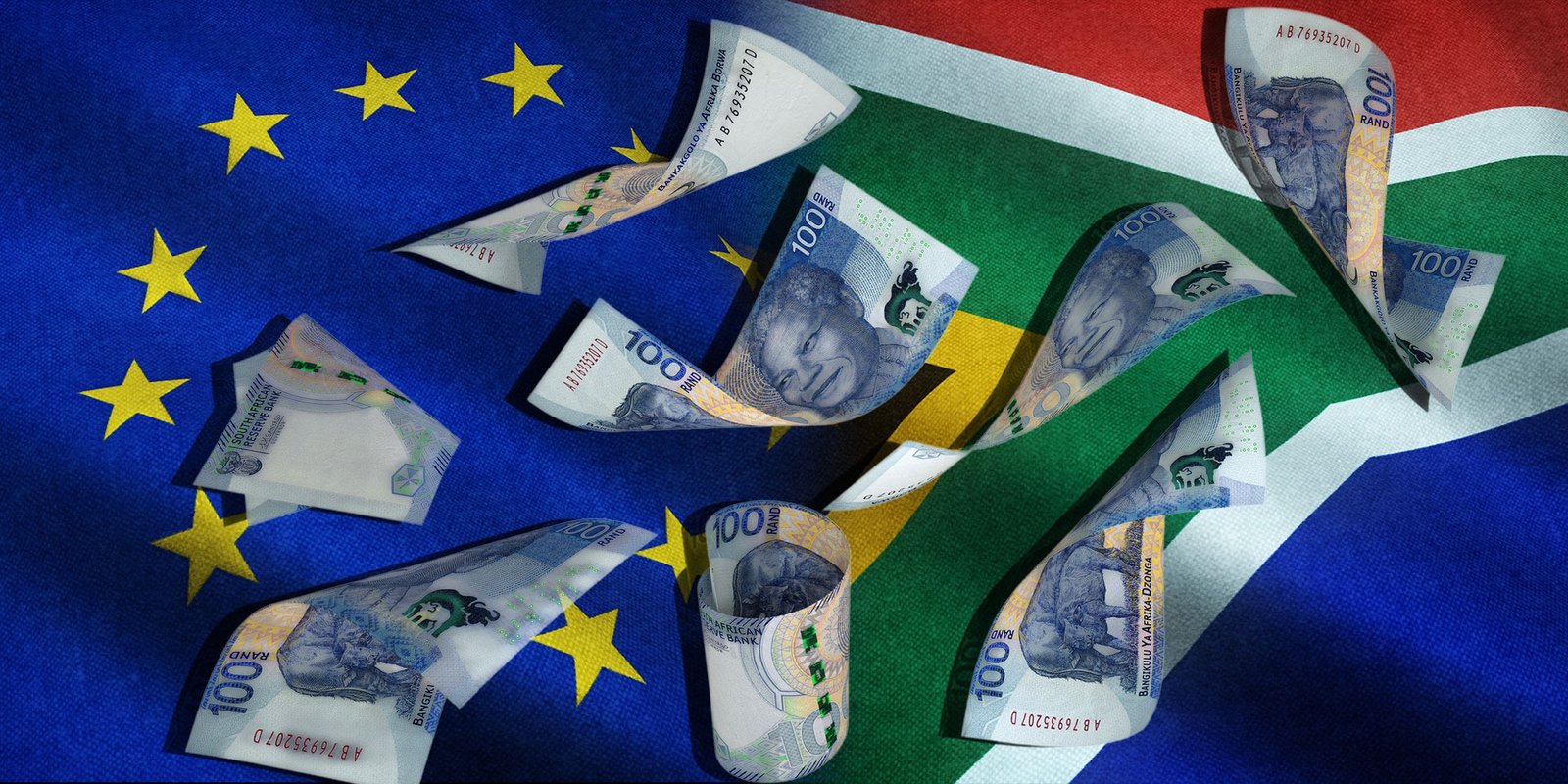
The European Union has officially removed Nigeria, South Africa, and four other African countries from its financial “high-risk” jurisdiction list, a move widely seen as a major boost for the continent’s economic credibility and global financial integration.
The decision follows the countries’ successful removal from the Financial Action Task Force (FATF) greylist, after meeting international standards on combating money laundering and the financing of terrorism. EU authorities said the update reflects sustained reforms and measurable progress in strengthening financial oversight, regulatory enforcement, and institutional capacity across the affected states.
From January 29, 2026, banks and financial institutions within the European Union will no longer be required to apply enhanced due diligence measures when dealing with entities and transactions linked to the delisted countries. This change is expected to significantly reduce compliance costs, shorten transaction times, and improve access to international financial markets.
The EU’s high-risk list is designed to identify jurisdictions with strategic deficiencies in their systems for preventing financial crimes. Being placed on the list often results in tighter scrutiny of cross-border transactions, making trade more expensive and discouraging foreign investment. Removal, therefore, represents more than a technical adjustment; it signals renewed confidence in the integrity of national financial systems.
Nigeria and South Africa, Africa’s two largest economies, have spent several years implementing reforms aimed at aligning their frameworks with global best practices. These efforts included updating legislation, improving financial intelligence units, and strengthening cooperation between regulators and law enforcement agencies. According to analysts, the EU’s decision validates those reforms and could help unlock new flows of trade and investment.
Financial experts say the delisting is likely to have immediate practical benefits. Exporters and importers are expected to face fewer delays in payments, while businesses may see lower banking fees tied to compliance checks. Over time, the change could also encourage European investors who had previously taken a cautious approach due to regulatory concerns.
Also Read; Tanzania Bets On Economic Diplomacy To Drive Growth
Beyond economics, the move carries symbolic weight. It reflects growing international recognition that African countries are capable of meeting complex global regulatory standards when given the opportunity and policy space to do so. Observers note that this development could strengthen Africa’s voice in global financial governance discussions, particularly within institutions such as the Financial Action Task Force.
The EU decision also comes amid broader efforts to deepen economic ties between Europe and Africa, as both regions seek more diversified and resilient trade relationships. Improved financial standing may help African countries better leverage agreements linked to international trade and cross-border investment, especially in sectors such as energy, manufacturing, and digital services.
However, analysts caution that delisting does not mark the end of reform. Maintaining compliance will require continued political commitment, adequate funding for regulators, and vigilance against emerging financial crime risks. Any significant backsliding could prompt renewed scrutiny in future reviews.
The removal from the EU’s high-risk list stands as a milestone for the affected countries and for Africa more broadly. It reinforces confidence in the continent’s evolving financial architecture and underscores the importance of credible regulation in supporting sustainable growth within the global financial system.