MWE Correspondent
Global energy markets are entering a more sensitive phase, where stability is no longer taken for granted.
What once appeared to be a gradual balancing of supply and demand is now being reshaped by rising geopolitical tension, tighter shipping conditions, and renewed caution among major producers. The result is a market that feels steady on the surface but carries growing pressure underneath.
This shift matters because energy is not just another commodity. It is the foundation of modern economic activity.
Recent pricing trends show that crude oil has remained elevated, trading close to $90 per barrel in recent sessions, with volatility increasing as supply risks become harder to ignore. Gas markets are also reacting, particularly in regions dependent on imported energy. While there has not yet been a dramatic supply shock, the current environment reflects something more subtle: uncertainty is returning, and markets tend to react quickly when confidence begins to weaken.
That is why global oil supply is now under closer scrutiny.
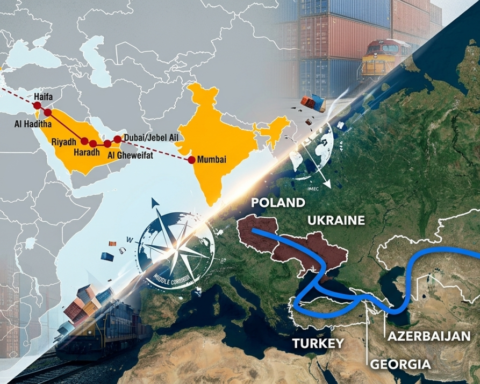
A combination of factors is driving this uncertainty. Shipping routes linked to key energy corridors are facing periodic disruption risks, while production decisions from major oil-exporting nations remain cautious rather than aggressive. Instead of flooding the market, producers appear focused on maintaining price stability a strategy that supports revenues but also keeps supply relatively tight.
For energy-importing economies, this creates a difficult balance.
Higher oil prices increase transportation costs, raise electricity generation expenses in some countries, and contribute directly to inflation. Businesses feel the impact through higher operating costs, while consumers experience it through increased fuel and commodity prices. This is especially significant in economies where energy costs already take up a large share of household income.
Also Read: Trade Corridors Gain New Strategic Momentum
This is where energy security becomes more than a policy discussion.
It becomes an economic necessity.
Countries that depend heavily on imported fuel are more exposed to global price swings and supply disruptions. Even short-term instability can create budget pressure, weaken currencies, and complicate economic planning. On the other hand, countries with diversified energy sources including renewables or domestic production are better positioned to absorb shocks and maintain stability.
The current market environment is also influencing long-term investment decisions.
Investors are becoming more selective, focusing on projects that balance profitability with resilience. This includes not only traditional oil and gas developments but also renewable energy expansion, storage technologies, and infrastructure that improves supply flexibility. The goal is no longer just to meet demand, but to reduce vulnerability.
That is where energy transition plays a growing role.
While fossil fuels remain dominant, the push toward cleaner and more sustainable energy sources is gaining strategic importance. Not simply for environmental reasons, but for economic security. Diversifying energy sources reduces dependence on volatile global markets and creates more stable long-term supply systems.
However, the transition itself comes with challenges.
Renewable energy requires significant upfront investment, stable policy frameworks, and strong infrastructure support. Not all economies are equally prepared to make that shift quickly. As a result, many countries find themselves managing a dual reality: relying on traditional energy in the short term while planning for diversification in the long term.
That balancing act is now becoming more complex.
If oil prices remain elevated and supply risks persist, the pressure on governments to act will increase. Some may turn to subsidies to protect consumers, while others may focus on efficiency measures or accelerate renewable projects. Each approach carries trade-offs, especially in economies with limited fiscal space.
There is also a broader global implication.
Energy market instability tends to ripple across multiple sectors — from manufacturing and transport to agriculture and trade. It influences inflation trends, investment decisions, and even geopolitical relationships. That makes the current situation more than just a market fluctuation. It is part of a larger economic adjustment.
The key issue now is not whether the market is stable today.
It is whether that stability can be sustained.
Because in energy markets, confidence is often the first signal and the first thing to shift when conditions change.