MWE Correspondent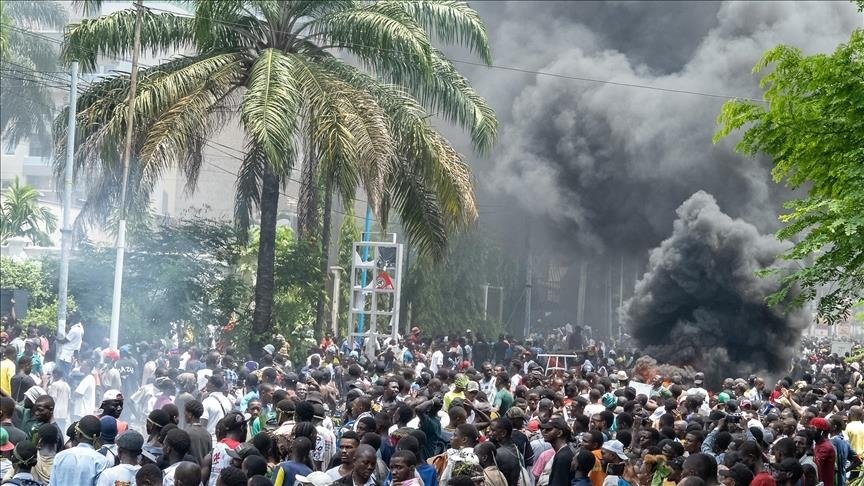
The security situation in eastern continues to deteriorate sharply, with the issuing a stark warning over escalating violence in the provinces of North and South Kivu.
The latest developments underscore a conflict that is not only intensifying on the ground but also drawing renewed international scrutiny, particularly amid growing geopolitical tensions involving neighboring .
According to UN assessments, armed confrontations between Congolese government forces and multiple militia groups—most notably the M23 rebel movement—have expanded in both scale and sophistication. Reports indicate the increased use of advanced weaponry, including drone technology, raising concerns about the evolving nature of warfare in the region. The humanitarian implications are severe: thousands of civilians have been displaced in recent weeks, while access to aid remains increasingly restricted due to ongoing hostilities.
At the center of the diplomatic storm is , an advisor on African affairs to former U.S. President . Boulos has publicly accused Rwanda of playing a direct role in sustaining the conflict by supporting armed groups operating within Congolese territory. His remarks mark one of the most direct criticisms from a U.S.-aligned figure in recent months, potentially signaling a shift toward a more assertive American posture on the crisis.
Also Read; Africa Reclaims Trade Power Through Value Addition Strategy
Rwanda, however, has consistently rejected such allegations, maintaining that its actions are driven by national security concerns, particularly threats posed by hostile militias allegedly backed by Congolese forces. This mutual distrust has complicated diplomatic efforts and hindered the implementation of previous peace agreements, many of which have failed to hold under pressure from recurring violence.
The roots of the conflict remain deeply entrenched. Eastern Congo is rich in valuable natural resources, including coltan, gold, and cobalt—minerals essential to global technology supply chains. Control over these resources has long fueled competition among armed groups, while longstanding ethnic tensions and weak state authority have further exacerbated instability. Analysts warn that without a comprehensive political settlement, the region risks becoming a protracted theater of conflict with broader regional implications.
The UN has emphasized that the situation could spiral into a wider regional crisis if urgent measures are not taken. Neighboring countries have historically been drawn into the conflict, either directly or indirectly, raising fears of a repeat of past wars that engulfed much of Central Africa. Diplomatic initiatives are ongoing, but progress remains fragile amid continued fighting and mutual recriminations.
For the civilian population, the consequences are immediate and devastating. Displacement camps are rapidly expanding, basic services are overstretched, and the threat of violence looms large over daily life. Humanitarian agencies have called for increased international support, warning that the crisis is approaching a tipping point.
As global attention returns to eastern Congo, the coming weeks may prove निर्णशive. Whether through renewed diplomatic engagement or increased international pressure, the path forward will require coordinated action. Without it, the warning issued by the United Nations may soon transform from caution into catastrophe.