Joseph Isangura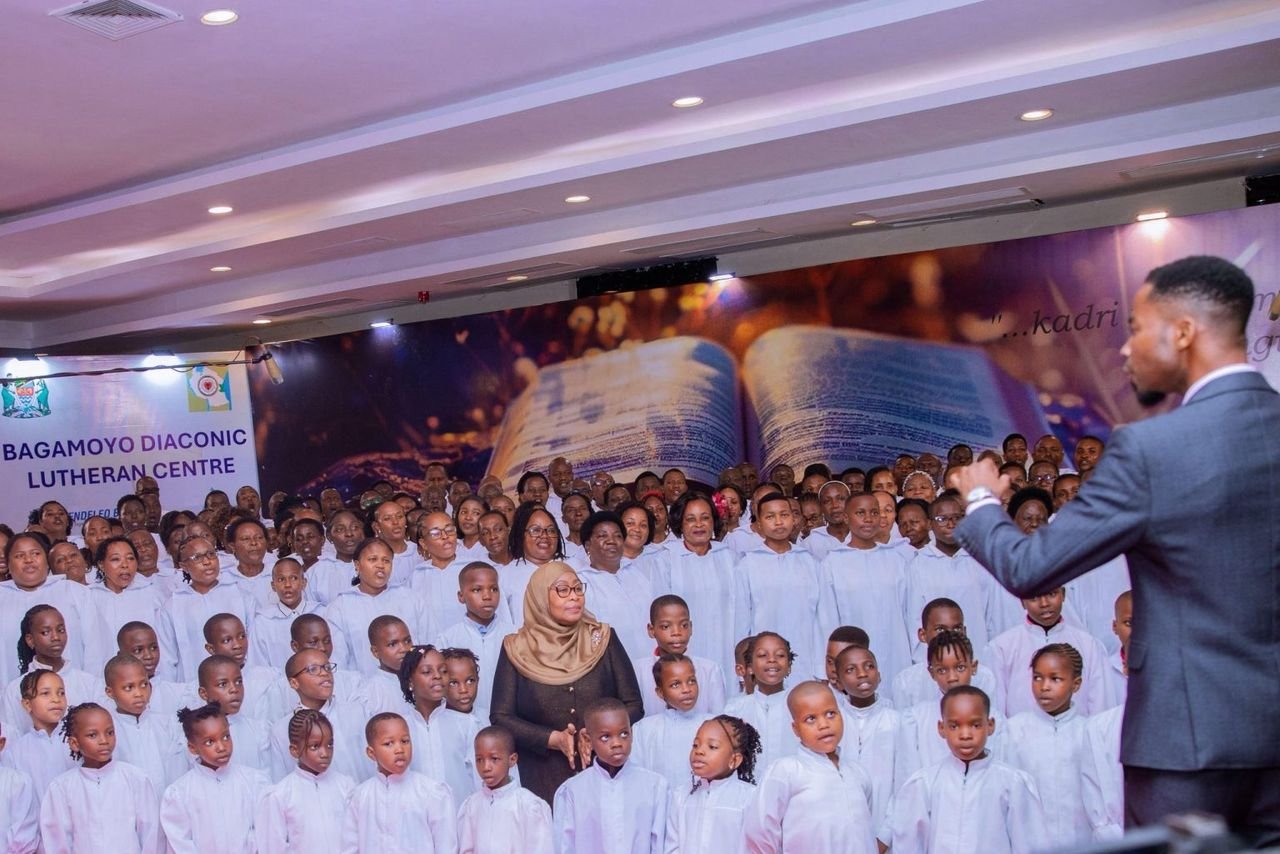
On Sunday, April 5, 2026, Christians across the world and here in Tanzania came together in joyful worship and deep reflection to celebrate Easter, the most sacred event in the Christian calendar.
For believers, Easter is not just a date on the calendar; it is a living story of Jesus Christ’s resurrection, a powerful symbol of hope, renewal, and unshakeable love that continues to shape lives and communities around the globe.
Easter’s origins go back nearly 2,000 years. According to tradition, Jesus was crucified and buried, and on the third day rose from the dead. This moment — at the heart of Christian faith — represents victory over death and the promise of new life. The timing of Easter each year depends on the Paschal full moon, a calendar tradition set by the First Council of Nicaea in A.D. 325. Because of this, Easter always falls on the first Sunday after the first full moon following the spring equinox.
Across Africa, Asia, Europe, the Americas, and Oceania, the day was marked with a beautiful blend of solemn worship, joyful song, and family gatherings. In Dar es Salaam and other cities and villages throughout Tanzania, churches brimmed with worshippers singing hymns that echoed through the halls and open‑air services starting before sunrise. Families dressed in their best clothes attended Easter mass, shared meals, and reflected on the meaning of forgiveness, compassion, and community.
Also Read: Africa Becomes Battleground For Global Resource Power
Among the many traditions shared globally, one of the most beloved — especially among children — is the decorating and sharing of Easter eggs, symbolizing new life. In many parts of Tanzania, communities wove these customs into local celebrations, mixing spiritual meaning with cultural joy.
Messages of Unity and Peace
Religious leaders used Easter as a moment to reaffirm messages of reconciliation, compassion, and solidarity. At St. Peter’s Basilica in Vatican City, Pope Leo XIV spoke passionately about peace, urging the world not to become numb to conflict but to embrace Christ’s call for mercy and unity. His words echoed across broadcasts — a reminder that Easter’s message goes beyond church walls and touches even societies struggling with division.
In Australia, senior clergy encouraged communities to be living signs of hope, caring for those in hardship and hardship‑stricken regions. In India, prominent bishops called for deeper peace and dialogue among diverse religious communities, reinforcing the idea that Easter is a season for building bridges of understanding.
World Leaders Reflect
Many global leaders acknowledged the significance of Easter, using the moment to speak about unity, service, and shared responsibility. Leaders from nations such as the United Kingdom emphasized cooperation and community welfare, recognizing that the values affirmed during Easter compassion and service are essential to the health of any society.
Tanzania’s Call for Hope
Here at home, President Samia Suluhu Hassan sent a heartfelt message to all Tanzanians, reminding citizens that the spirit of Easter — rooted in hope, compassion, and renewal — resonates with the nation’s ongoing journey toward unity and progress. In her message released on the eve of Easter, President Samia encouraged all people of faith and conscience to work together to build peace, strengthen community bonds, and continue contributing to Tanzania’s growth and stability. She emphasized that just as the resurrection story teaches perseverance in the face of challenge, Tanzanians too are called to move forward with courage and shared purpose.
Easter 2026 was more than a religious observance it was a moment of collective reflection. For millions of believers, it reaffirmed faith in new beginnings. For leaders both religious and political it became a platform to call for peace, unity, and shared humanity. And for Tanzanians, it was a powerful reminder that hope is not passive but active built through compassion, community, and service to one another.