MWE Correspondent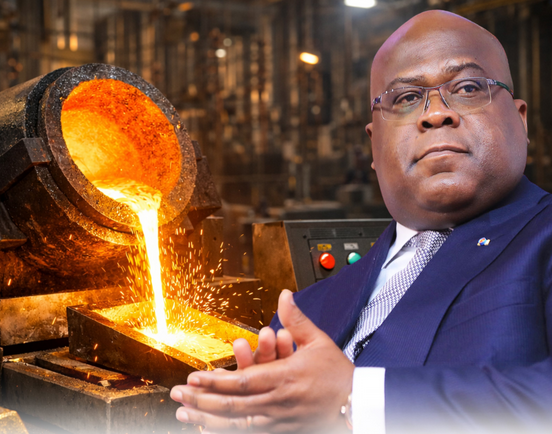
The Democratic Republic of the Congo has officially launched its first pilot gold refinery, a move aimed at boosting local processing of its mineral wealth and reducing dependence on raw exports. The facility marks a significant milestone in the country’s efforts to add value to its natural resources.
The refinery, located in Kalemie, Tanganyika Province, was inaugurated on March 11, 2026, in a ceremony attended by senior officials, including the State Minister for Planning, Guylain Nyembo, Minister of Mines Louis Watum Kabamba, Minister of Portfolio Julie Shiku, and the Governor of Tanganyika. Representatives from major mining operators also witnessed the launch.
Developed through a strategic partnership between local and international mining entities, the facility is designed to handle the entire gold value chain—from purchase to refining and the production of gold ingots. Once fully operational, it is expected to produce between 500 and 600 kilograms of refined gold per month.
Minister of Mines Kabamba highlighted that the project aligns with President Félix Tshisekedi’s vision of transforming the DRC’s natural resources into engines of economic growth and national sovereignty. He said the initiative also enjoys support from the government under Prime Minister Judith Suminwa.
“The refinery is a step toward ensuring that our mineral wealth benefits our nation directly,” Kabamba said. “It promotes transparency, fair pricing, and better opportunities for artisanal miners who have long been central to the sector.”
Industry analysts note that the DRC’s gold sector has traditionally relied on exporting raw gold, limiting potential revenue and oversight. The new pilot refinery, however, allows the country to refine gold locally to 99.9% purity, meeting international standards and ensuring that value remains within the DRC before export.
Also Read; Tehran Declares Three Conditions To End Escalating Conflict
Artisanal miners are expected to benefit from the project, which provides a regulated framework for selling gold and ensures fairer pricing while reducing risks associated with informal trade. Observers also suggest that the refinery could stimulate further investment in downstream processing and related industries, creating jobs and boosting local economies.
The refinery is part of a broader government initiative to modernize the mining sector, strengthen industrialization, and ensure natural resources contribute to sustainable economic development. By linking artisanal miners, local operators, and industrial partners, the facility aims to create a more inclusive and transparent gold market.
Once operational, the refinery positions the DRC as a reliable supplier of high-quality gold on the international market, supporting both national revenue growth and economic development. Experts say the Kalemie project could serve as a model for similar facilities in other provinces, decentralizing gold processing and expanding opportunities across the countr
This milestone reflects the government’s commitment to leveraging the DRC’s mineral resources responsibly, ensuring that the country captures greater value from its rich gold deposits while empowering local communities.