MWE Correspondent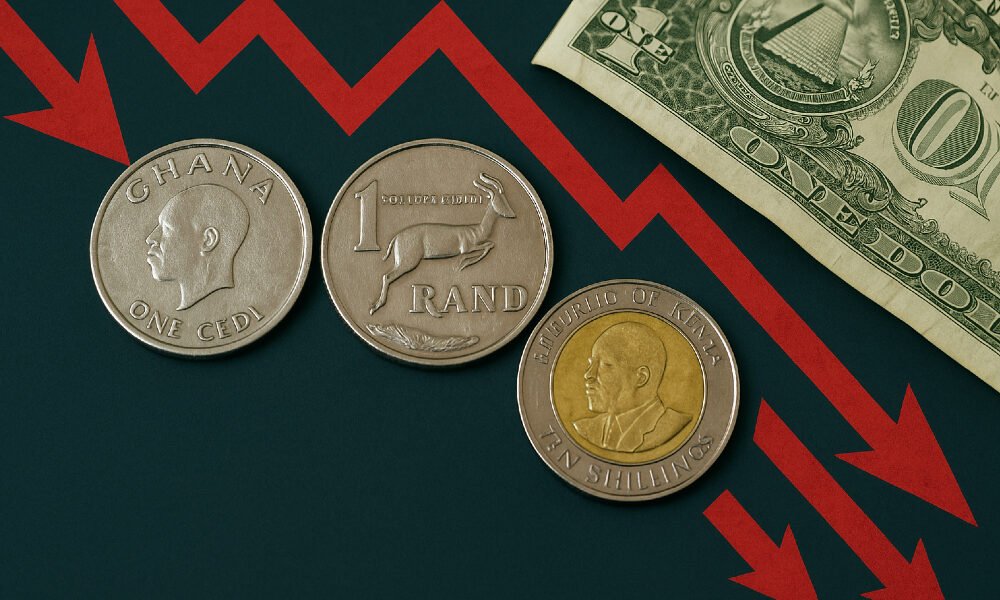
Africa’s economic pressure is no longer coming only through oil prices, food costs, or slower growth forecasts. Another front is opening quietly but dangerously: currencies.
As global markets continue adjusting to conflict-driven uncertainty, tighter financial conditions, and shifting safe-haven flows, many African economies are now being reminded of a familiar truth — when the U.S. dollar strengthens or becomes more dominant in risk-off periods, the cost of defending economic stability rises fast.
Fresh market analysis released this week shows that the dollar’s war-driven rebound may not be permanent, but its recent strength has already been enough to keep pressure on many developing-market currencies. That matters for Africa because the continent does not need a permanently stronger dollar to feel pain. Even a short period of dollar firmness during a global shock can be enough to raise import bills, strain reserves, unsettle inflation expectations, and complicate debt management.
This is why currency pressure deserves much more attention than it usually gets.
For many African countries, the local currency is where external shocks become visible to ordinary people. A stronger dollar can make imported fuel more expensive. It can raise the cost of fertilizer, machinery, medicine, and food imports. It can increase the burden of servicing foreign-currency debt. It can also make businesses more cautious, especially those that depend on imported inputs or dollar-based trade settlements. In short, a currency shock does not stay inside financial markets. It quickly moves into transport costs, shop prices, farm budgets, and household stress.
That is the heart of the issue: exchange-rate risk.
Africa is especially exposed because many economies still rely heavily on imported essentials while earning foreign exchange from a narrower set of exports such as commodities, tourism, or a few agricultural products. When the dollar strengthens during global uncertainty, these economies often face a double squeeze. Imports become more expensive, while access to external capital becomes more selective. The result is pressure from both sides: rising costs and tighter financing.
And this moment is arriving at a difficult time.
Sub-Saharan Africa’s latest economic outlook has already been revised lower, with higher fuel, food, and fertilizer prices now expected to keep inflation elevated and growth more fragile. Fresh World Bank projections show that median inflation in the region is expected to rise to 4.8% this year, while tighter global financial conditions are adding new strain to already stretched fiscal positions. That broader backdrop matters because currencies rarely weaken in isolation. They weaken faster when inflation is sticky, external financing is thinner, and confidence in policy buffers looks uncertain.
Also Read: Aid Cuts Deepen Africa’s Debt Pressure
This is why central banks across Africa may soon face harder choices.
If they defend the currency too aggressively, they may burn through foreign reserves or keep interest rates too high for too long, hurting credit and growth. If they allow too much depreciation too quickly, imported inflation can accelerate and confidence can deteriorate. There is no painless option. But there is a smarter one: manage the adjustment carefully, communicate clearly, and avoid turning short-term volatility into a full-blown credibility problem.
That is where foreign-exchange reserves become crucial.
Reserves are not just numbers for economists. They are strategic shock absorbers. Countries with healthier reserve buffers can smooth disorderly currency moves, reassure investors, and protect essential imports during periods of stress. Countries with weak reserve cover, by contrast, can be forced into much harsher decisions — including abrupt import restrictions, emergency borrowing, or sudden devaluations that feed inflation and social frustration.
This is why reserve management may become one of the most important economic disciplines in Africa over the coming months.
There is also a strong lesson in the current market environment: not every country will be hit equally. Commodity exporters with stronger inflows may have more room to manage pressure. Economies with stable remittance channels or resilient export earnings may absorb shocks better. Countries that have already improved exchange-rate flexibility and reduced distortions may also adjust more smoothly. But economies with heavy import dependence, large external deficits, or political pressure to suppress market realities could find themselves in a more fragile position.
That is why governments should resist the temptation to treat currency management as a purely technical central-bank matter. It is much broader than that. Currency stability depends on export strength, investor confidence, fiscal credibility, reserve discipline, and how quickly governments can reduce avoidable import dependence. In other words, a weak currency is often not just a monetary problem. It is a structural one.
The smartest African response now is not panic. It is preparation.
That means protecting reserve buffers where possible, improving export competitiveness, supporting sectors that generate foreign exchange, reducing unnecessary import pressure, and coordinating fiscal and monetary policy more tightly. It also means allowing enough flexibility for the exchange rate to absorb shocks without creating the impression that authorities have lost control. Markets can tolerate movement. What they fear most is confusion.
This is also why the current moment should renew interest in currency diversification in trade settlement, especially within African regional commerce. The more African economies can gradually expand intra-continental trade using regional payment systems and reduce excessive dependence on external hard-currency settlement for every transaction, the stronger their resilience will become over time. That is not a quick fix. But it is a strategic direction worth taking seriously.
The dollar may or may not stay strong for long. But Africa does not have the luxury of waiting to find out. The real issue is not whether the dollar’s rebound lasts forever. The real issue is whether African economies are strong enough to handle even temporary periods of global currency stress without losing policy control.
And in this kind of environment, the countries that protect confidence first will usually protect stability next.