MWE Correspondent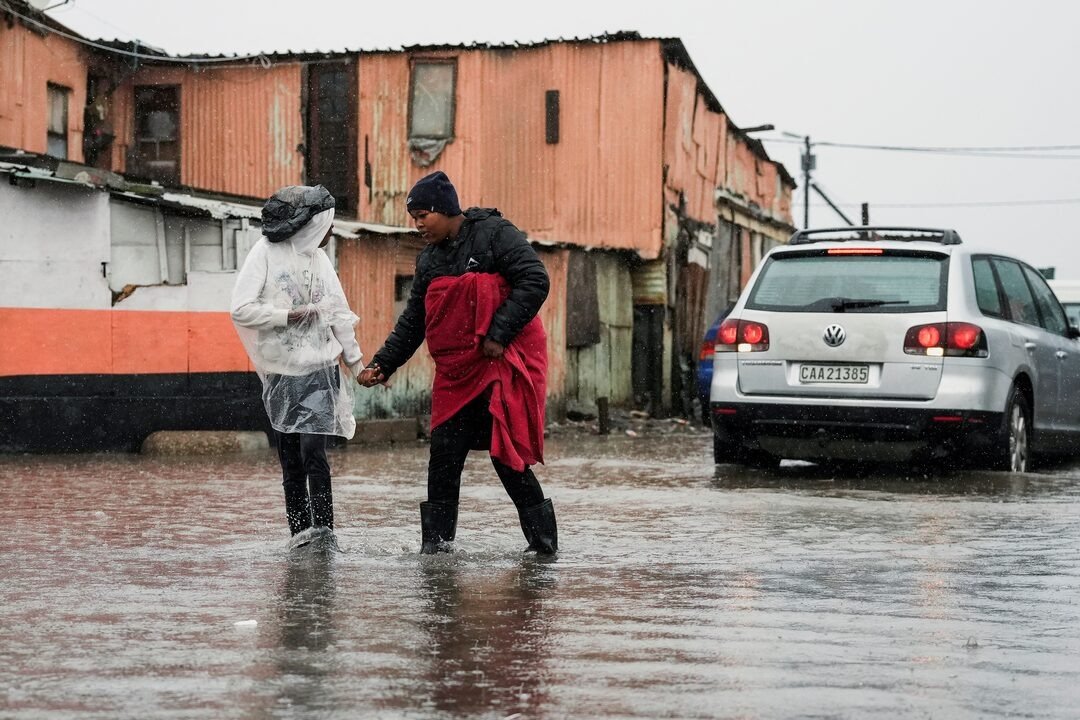
At least 19 people have lost their lives in northeastern South Africa after days of relentless heavy rainfall triggered severe flooding across parts of Mpumalanga and Limpopo provinces, deepening an unfolding humanitarian and environmental crisis.
Local authorities say the death toll may rise as rescue teams continue to search flooded communities where roads, bridges, and communication lines have been cut off. The rains, which began earlier in the week and have shown little sign of easing, caused rivers to burst their banks, sweeping away homes, vehicles, and livestock in low-lying areas.
Emergency services have been working around the clock, using helicopters and boats to reach stranded residents trapped on rooftops or isolated by rising waters. Temporary shelters have been established for displaced families, while aid workers distribute food, blankets, and clean drinking water. Many residents, however, remain anxious as weather forecasts warn that further downpours could worsen the situation.
Government officials have described the floods as among the most destructive to hit the region in recent years. Several schools and health facilities have been damaged or rendered inaccessible, disrupting essential services and raising concerns about public health risks, including waterborne diseases. Rural communities have been particularly hard hit, with farmland inundated and crops destroyed at a critical point in the agricultural season.
Meteorologists say the extreme rainfall is linked to broader weather systems affecting southern Africa, where unusually intense and prolonged rain events are becoming more common. Scientists have repeatedly warned that climate change is increasing the frequency and severity of extreme weather, leaving vulnerable communities exposed to disasters such as floods and droughts.
Also Read; United States Suspends Immigrant Visa Processing Worldwide
In Limpopo, some of the worst-affected districts lie along major river systems that overflowed rapidly after days of steady rain. Residents described scenes of water rising overnight, giving families little time to salvage belongings before fleeing to higher ground. In Mpumalanga, authorities reported extensive damage to transport networks, complicating rescue and relief efforts.
The floods have also had wider economic implications. Disrupted transport routes have affected the movement of goods, while damage to infrastructure is expected to place additional strain on public finances already under pressure. Analysts note that recovery will require not only emergency assistance but also long-term investment in resilient infrastructure and improved early-warning systems.
Natural disasters such as floods remain a recurring challenge in parts of southern Africa, particularly during the rainy season. Experts argue that better land-use planning, stronger river management, and community-level preparedness could reduce future loss of life and property.
As the situation continues to develop, authorities are urging residents in flood-prone areas to heed evacuation orders and weather advisories. Rescue teams remain on high alert, monitoring river levels and rainfall patterns closely while coordinating with humanitarian partners to scale up assistance where needed.
For now, the focus remains on saving lives and supporting affected families as South Africa confronts yet another reminder of the growing risks posed by extreme weather and the urgent need for effective disaster management strategies.