MWE Correspondent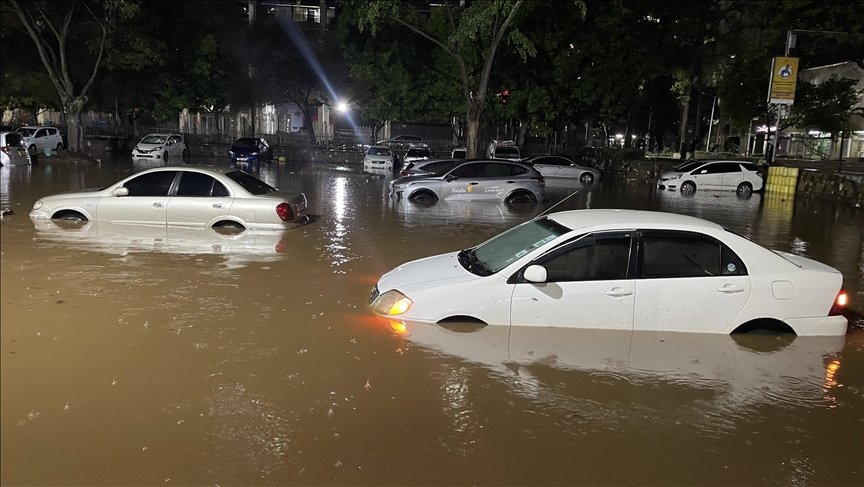
At least 42 people have been confirmed dead in Kenya after heavy rains triggered widespread flooding in several parts of the country, with the capital city of Nairobi recording the highest number of casualties.
Police officials said that among those who lost their lives, 26 deaths were reported in Nairobi alone after intense rainfall caused rivers to overflow and drainage systems to fail in several neighborhoods. Floodwaters rushed through residential areas and business districts, leaving a trail of destruction as homes, shops and roads were submerged.
The flooding began after several hours of continuous rainfall that overwhelmed parts of the city overnight. In many areas, water levels rose rapidly, trapping residents in their homes while vehicles were swept away by the strong currents flowing through flooded streets. Videos circulating online showed entire roads transformed into streams as motorists struggled to escape rising water.
Emergency teams were quickly deployed across affected areas to rescue residents and search for victims. Police officers, firefighters and humanitarian responders have been working around the clock to reach communities cut off by floodwaters. Authorities say rescue efforts are continuing because several people are still missing, raising fears that the death toll could increase.
The disaster has also forced thousands of families to abandon their homes. Temporary shelters have been set up for displaced residents as humanitarian agencies work to provide food, clean water and medical assistance. Officials say the flooding has affected many low-lying neighborhoods, particularly informal settlements where drainage infrastructure is limited.
Also Read; Iran Rejects Surrender As Regional Strikes Intensify
Across the country, rivers and streams have burst their banks following days of intense rainfall. Meteorologists have warned that the ongoing rains are part of seasonal weather patterns linked to the wider East Africa climate system, where heavy downpours are common during certain times of the year.
However, environmental experts say extreme weather events appear to be increasing in frequency and intensity. Some researchers attribute this trend partly to the growing effects of Climate Change, which is believed to be altering rainfall patterns across many regions of the world.
In Nairobi, the floods have once again highlighted concerns about urban infrastructure and planning. Experts say blocked drainage channels, rapid population growth and unplanned settlements have made parts of the city particularly vulnerable when heavy rains arrive.
Authorities are urging residents to remain cautious while the rains continue. People living in flood-prone areas have been advised to move to safer locations and avoid crossing flooded roads or bridges.
As rescue operations continue and communities begin assessing the damage, Kenya faces the difficult task of helping thousands of affected families recover while also addressing the long-term challenges that make flooding such a recurring disaster.